When contacting YouFine, many clients frequently ask a specific question: “How do I lay the foundation?”
Iron greenhouses weigh significantly more than standard aluminum models—particularly when fitted with glass panels, brick bases, or Victorian-style decorative elements. To ensure structural stability, proper drainage, long-term durability, and safe installation, establishing a solid and reliable foundation is absolutely essential.
In this guide, we will provide a detailed overview of the optimal foundation solutions for various types of iron greenhouses, the proper construction methods, and the common pitfalls that homeowners should strictly avoid during the building process.
1. Why Is the Foundation So Important for an Iron Greenhouse?
A strong foundation is the base of every successful greenhouse project. Unlike lightweight garden greenhouses, wrought iron greenhouses place significant weight on the ground and require proper support.
Without a proper foundation, problems may include:
- Uneven settling
- Doors and windows that no longer close properly
- Water accumulation inside the greenhouse
- Structural stress on the iron frame
- Cracked or misaligned glass panels
- Reduced resistance to wind and snow loads
A professionally built foundation helps ensure the greenhouse remains stable, level, and secure for decades.
2. What Type of Foundation Is Best for an Iron Greenhouse?
Different greenhouse styles require different foundation systems depending on size, climate, and usage.
2.1 Concrete Slab Foundation
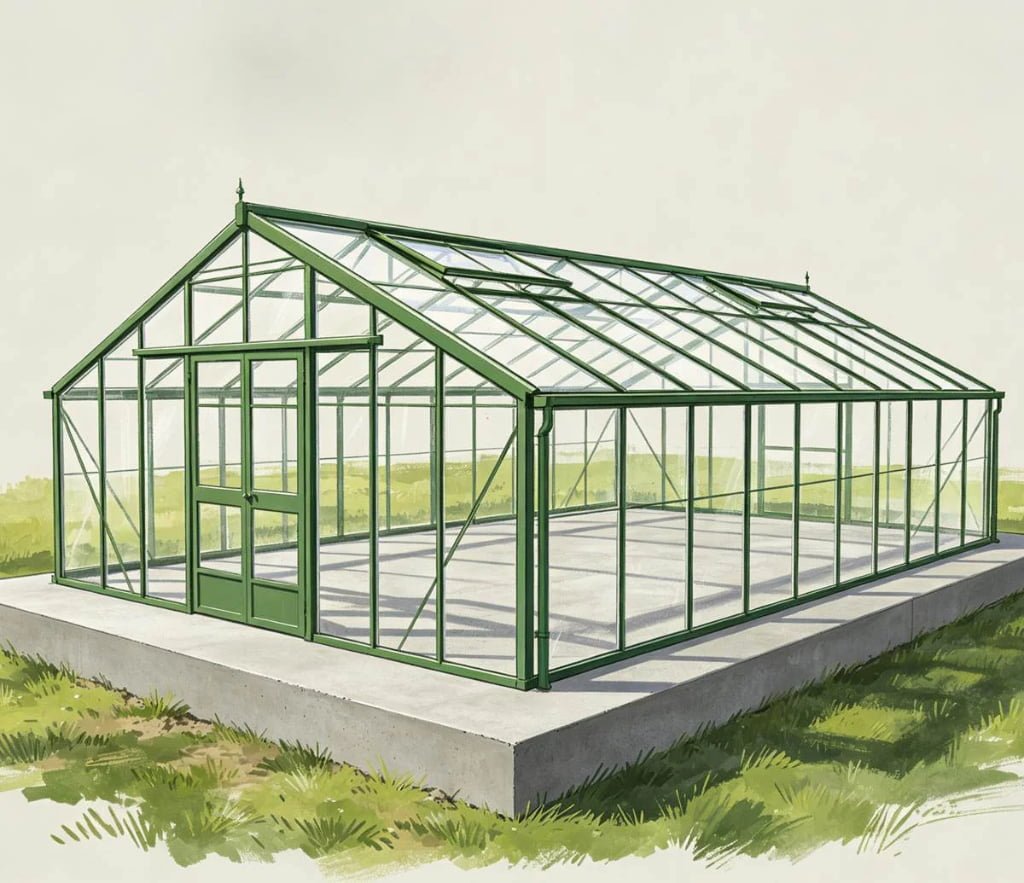
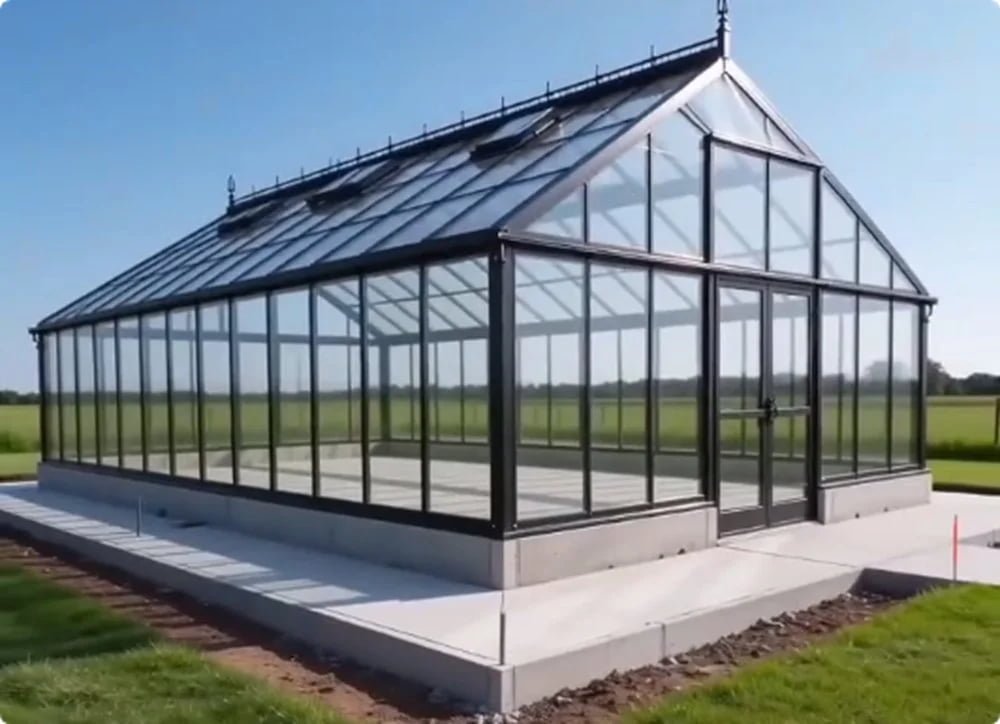
A full concrete slab is one of the strongest and most durable options for large iron greenhouses.
Best for:
- Large conservatories
- Luxury garden rooms
- Snowy or windy regions
Advantages:
- Excellent structural stability
- Long lifespan
- Strong moisture resistance
Disadvantages:
- Permanent installation
- Higher construction cost
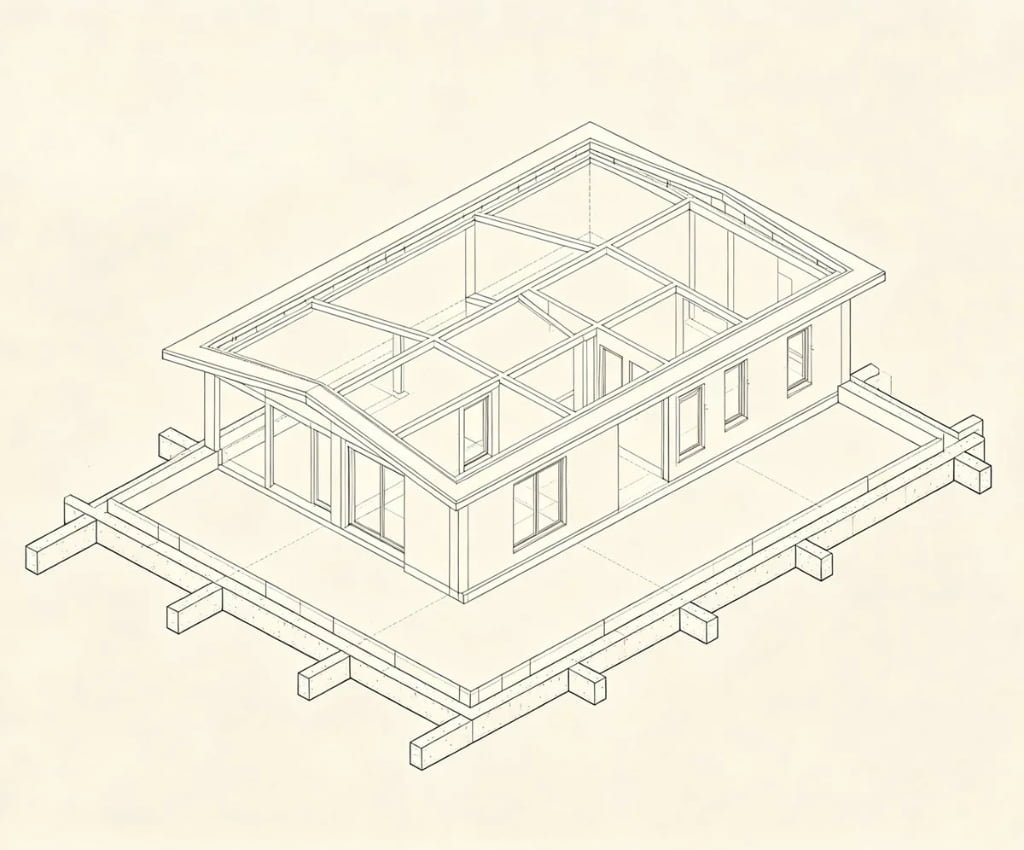
2.2 Perimeter Strip Foundation
This type uses concrete footings around the perimeter rather than a full slab.
Best for:
- Medium-sized greenhouses
- Traditional garden conservatories
Advantages:
- Reduced concrete usage
- Lower cost
- Good drainage
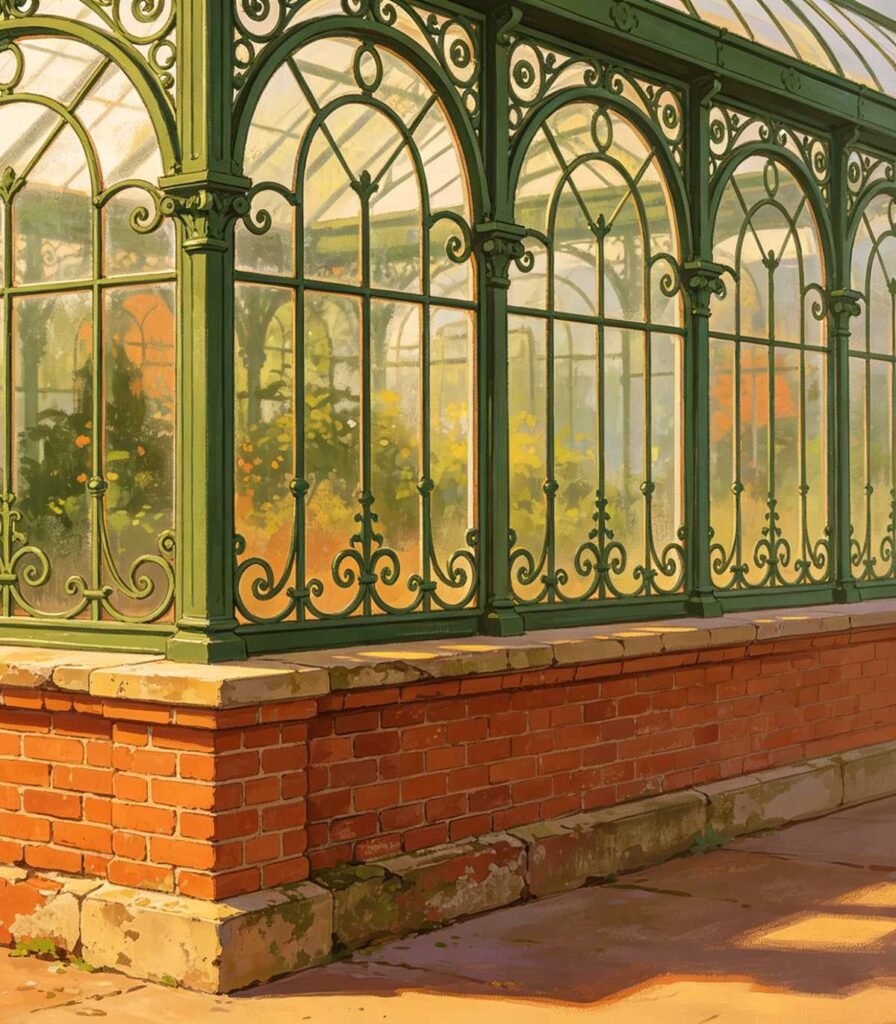
2.3 Raised Foundation or Brick Knee Wall
Some Victorian-style greenhouses use a short brick wall beneath the iron structure.
Best for:
- Brick iron greenhouses
- Decorative conservatories
Advantages:
- Protects lower frame from moisture
- Better insulation
- Elegant appearance
3. Does Every Iron Greenhouse Need Concrete?
Not every greenhouse requires a full concrete slab, but most iron greenhouses still need some form of concrete support.
Small greenhouses may use:
- Gravel foundations
- Paver bases
- Timber platforms
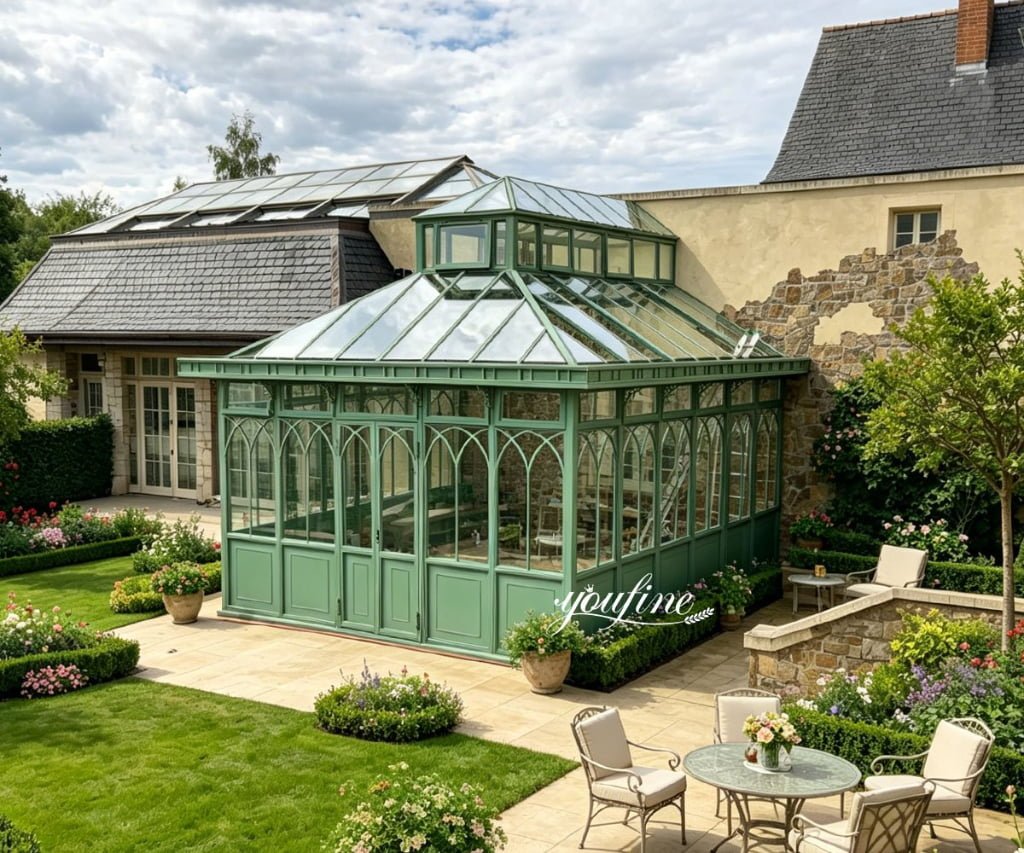
However, larger iron structures with glass roofs and decorative frames typically require:
- Concrete footings
- Anchor bolts
- Reinforced foundations
The heavier the greenhouse, the more important structural support becomes.
4. Foundation Requirements for Different Types of Iron Greenhouses
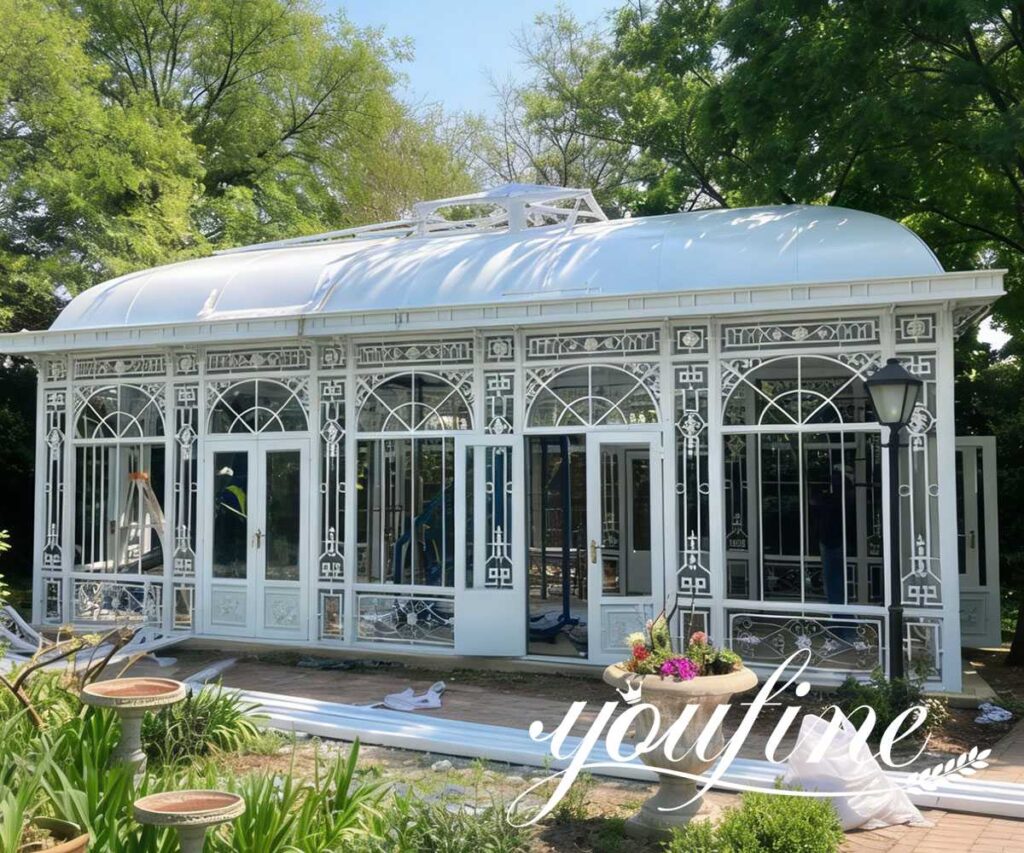
4.1 Freestanding Iron Greenhouse
Freestanding greenhouses are exposed to wind from all sides and require full perimeter support.
Key requirements:
- Proper drainage around the structure
- Stable concrete foundation
- Strong anchoring system
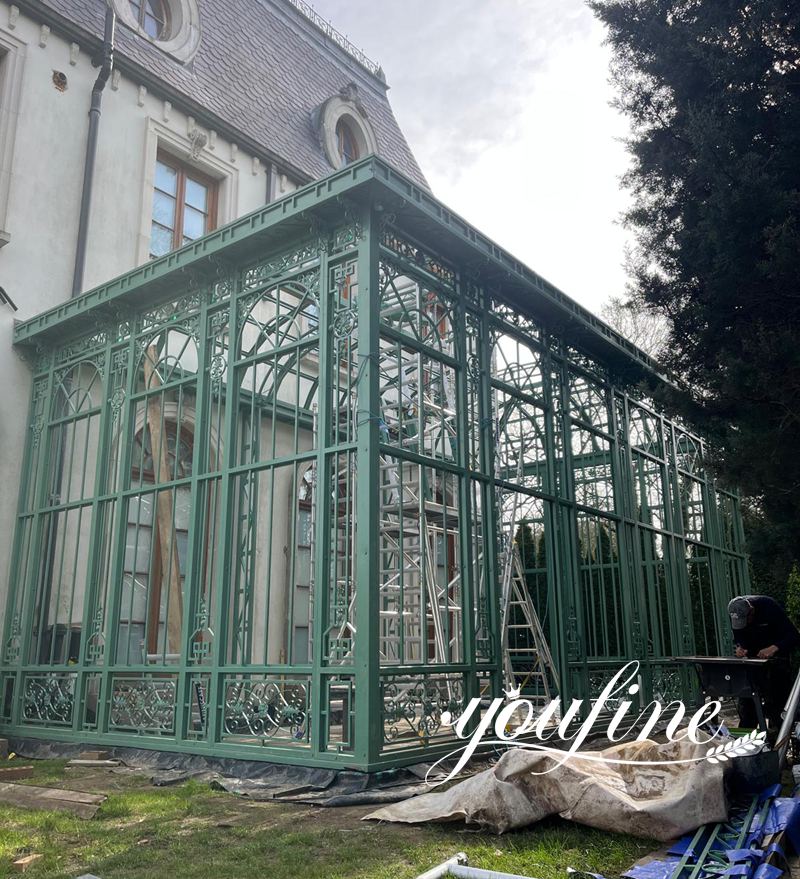
4.2 Lean-To Greenhouse
Lean-to greenhouses are attached to an existing wall or building.
Key requirements:
- Accurate leveling against the wall
- Secure wall attachment
- Waterproof flashing
- Drainage slope away from the building
4.3 Brick Iron Greenhouse
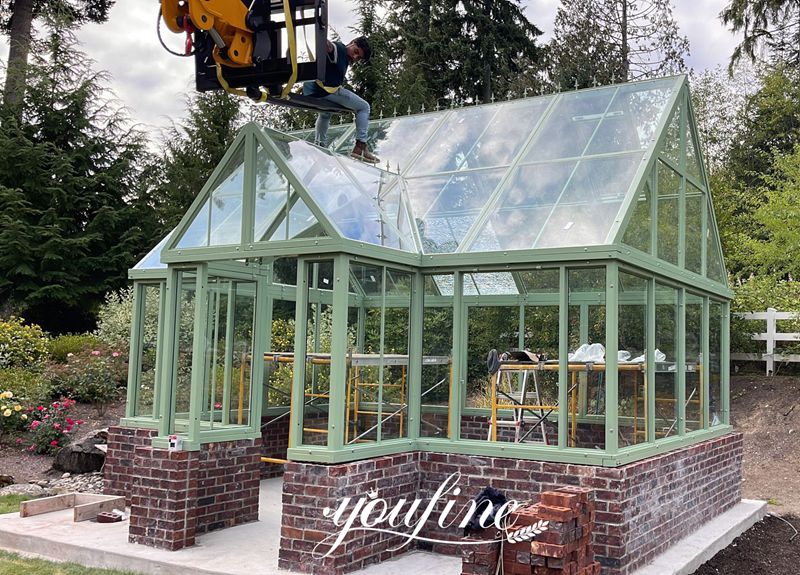
Brick-base greenhouses combine masonry walls with iron framing.
Key requirements:
- Strong load-bearing wall foundation
- Proper ventilation openings
- Reinforced concrete footing beneath brick walls
These structures are heavier and usually require deeper foundations.
5. Step-by-Step: How to Build a Foundation for an Iron Greenhouse
Step 1: Choose the Installation Location
Select a level area with:
- Good sunlight exposure
- Proper drainage
- Enough installation access space
Avoid low-lying areas where water may collect.
Step 2: Mark the Greenhouse Footprint
Use stakes and string lines to mark the exact dimensions of the greenhouse foundation.
Double-check:
- Width and length
- Corner alignment
- Square measurements
Accurate layout is critical for custom iron greenhouse installation.
Step 3: Excavate the Ground
Remove grass, roots, and topsoil.
Depending on climate:
- Warm climates may require shallow excavation
- Cold climates require digging below the frost line
The subgrade should be compacted to reduce future settling.
Step 4: Add a Gravel Drainage Layer
A compacted gravel layer improves:
- Drainage
- Foundation stability
- Frost protection
Crushed stone is commonly used beneath greenhouse foundations.
Step 5: Build the Formwork
Wooden forms are installed to shape the concrete foundation.
At this stage:
Check level accuracy
Secure corners firmly
Plan anchor bolt locations
Step 6: Install Reinforcement
Steel reinforcement helps prevent cracking.
Large conservatories often use:
- Rebar grids
- Wire mesh reinforcement
This is especially important in areas with freeze-thaw cycles.
Step 7: Pour the Concrete
Concrete should be poured evenly and leveled carefully.
Important considerations:
- Proper thickness
- Smooth surface finish
- Slight drainage slope if necessary
An uneven foundation may cause glass and frame alignment problems later.
Step 8: Allow Proper Curing Time
Concrete needs time to reach full strength.
Typical curing recommendations:
- Light work after several days
- Full strength after about 28 days
Avoid installing heavy greenhouse structures too early.
Step 9: Install Anchor Bolts
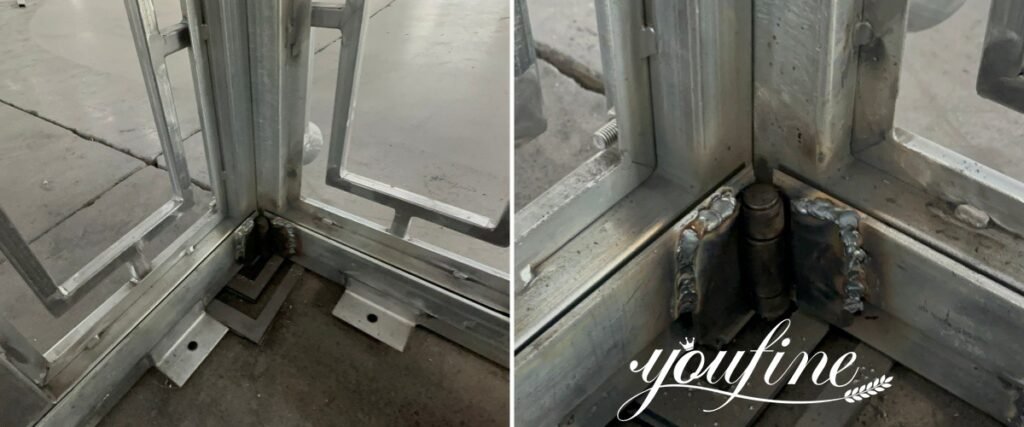
Heavy iron greenhouse frames should be securely anchored into the concrete.
Anchor bolts improve:
- Wind resistance
- Structural stability
- Long-term safety
Step 10: Final Foundation Inspection
Before greenhouse installation, check:
- Level accuracy
- Dimensions
- Drainage
- Anchor bolt positioning
Correcting problems before installation is much easier than afterward.
6. How Thick Should a Greenhouse Foundation Be?
Foundation thickness depends on greenhouse size and local conditions.
Typical recommendations:
| Greenhouse Size | Suggested Concrete Thickness |
| Small greenhouse | Around 4 inches |
| Medium greenhouse | 5–6 inches |
| Large custom conservatory | 6–8 inches |
Cold climates or heavy structures may require additional reinforcement and deeper footings.
7. Drainage and Frost Protection: Two Critical Factors
Proper Drainage
Poor drainage can lead to:
- Standing water
- Foundation shifting
- Rust and moisture problems
Drainage solutions may include:
- Proper site grading
- Gravel layers
- French drains
Frost Protection
In cold climates, foundations should extend below the frost line to prevent frost heave.
Freeze-thaw cycles can crack concrete and shift greenhouse structures if the foundation is too shallow.
Deeper footings are especially important in northern regions with harsh winters.
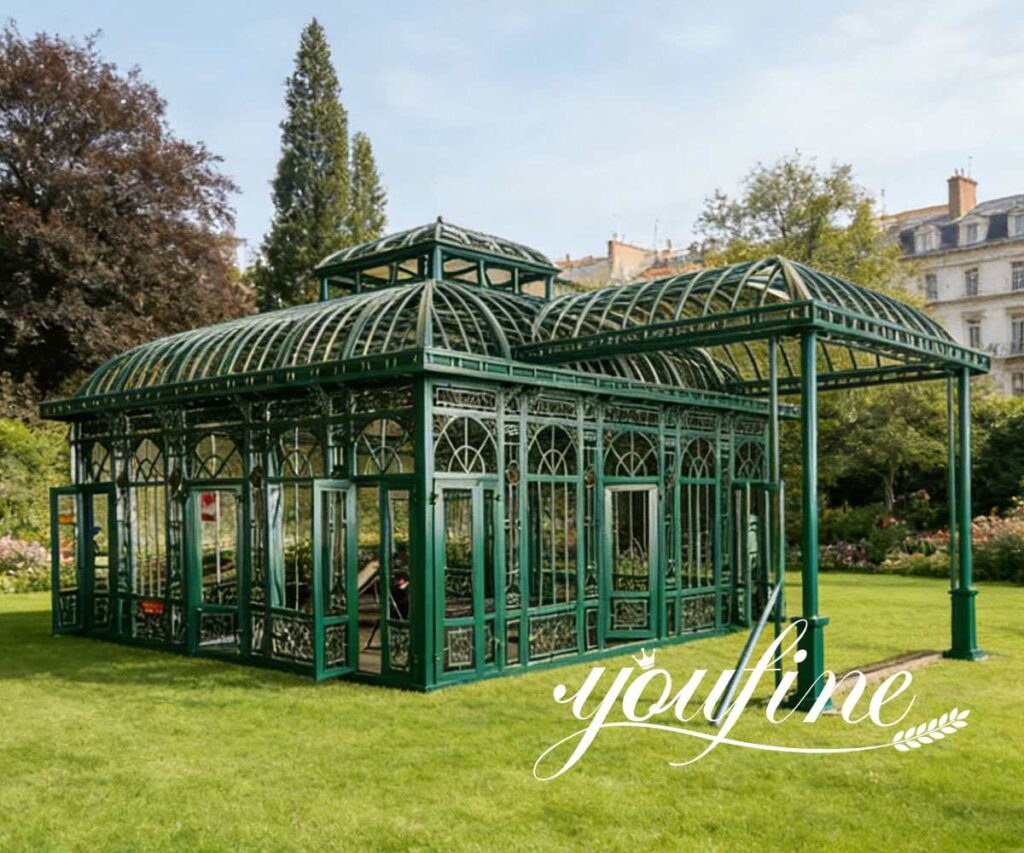
8. Common Foundation Mistakes to Avoid
Common mistakes include:
- Building on uneven ground
- Ignoring drainage planning
- Using foundations that are too thin
- Installing the greenhouse before concrete cures
- Forgetting anchor bolts
- Underestimating snow or wind loads
- Poor measurement accuracy
Avoiding these issues can save significant repair costs in the future.
Conclusion
A proper foundation is one of the most important parts of any iron greenhouse project. The right foundation improves structural stability, protects against weather damage, and ensures the greenhouse remains level and secure for many years.
Whether you choose a full concrete slab, perimeter footing, or raised brick base, the foundation should always match the greenhouse size, weight, climate, and installation conditions.
Careful planning at the beginning of the project helps prevent costly problems later.
FAQ
1. Do iron greenhouses always need concrete foundations?
Most large iron greenhouses require at least concrete footings or reinforced support because of their weight.
2. Can I install an iron greenhouse on pavers?
Small structures may be installed on pavers, but larger glass and iron greenhouses usually require stronger foundations.
3. How deep should greenhouse foundations be?
Foundation depth depends on climate and frost conditions. Cold regions generally require deeper foundations.
4. How long should concrete cure before greenhouse installation?
Concrete usually reaches full strength after about 28 days, although light work may begin earlier.
5. Why is drainage important for greenhouse foundations?
Proper drainage helps prevent water damage, foundation movement, and long-term structural problems.