A wrought iron greenhouse is an investment in your lifestyle, your garden, and even your property value. Whether you’re planning to grow plants year-round, create a relaxing glass space, or build a statement feature in your backyard, choosing the right type of greenhouse is the first crucial step.
One of the most common questions buyers ask is: Should I choose a freestanding greenhouse or a lean-to sunroom?
The answer depends on your space, budget, climate, and how you plan to use it. In this guide, we’ll break down the key differences and help you confidently choose the best option for your needs.
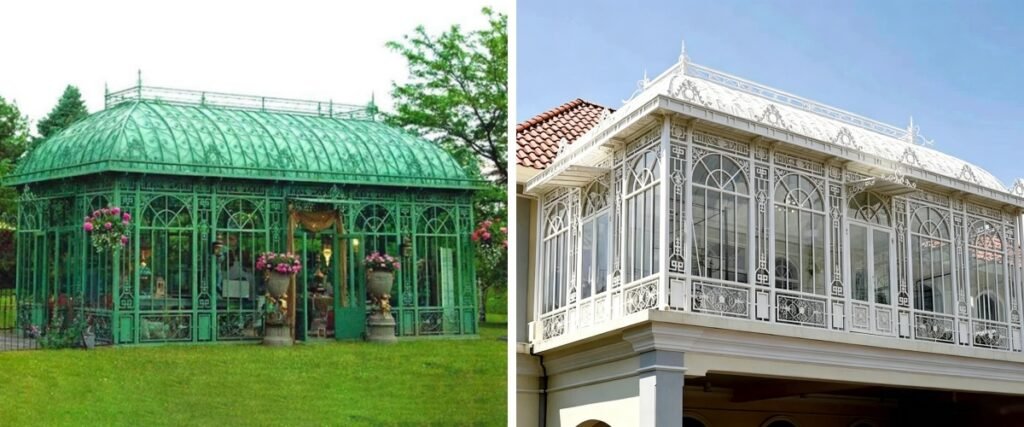
What Is a Freestanding Greenhouse?
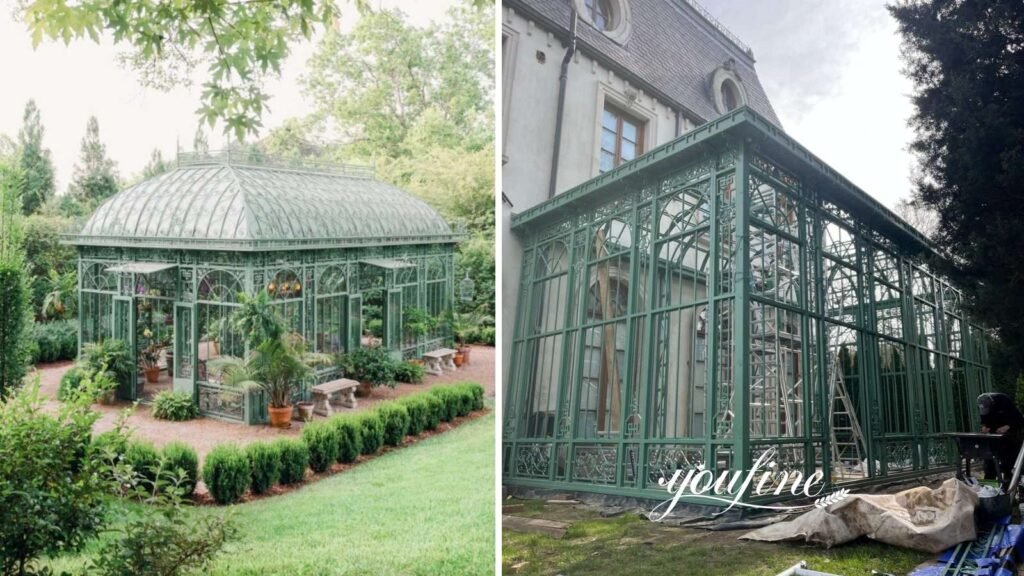
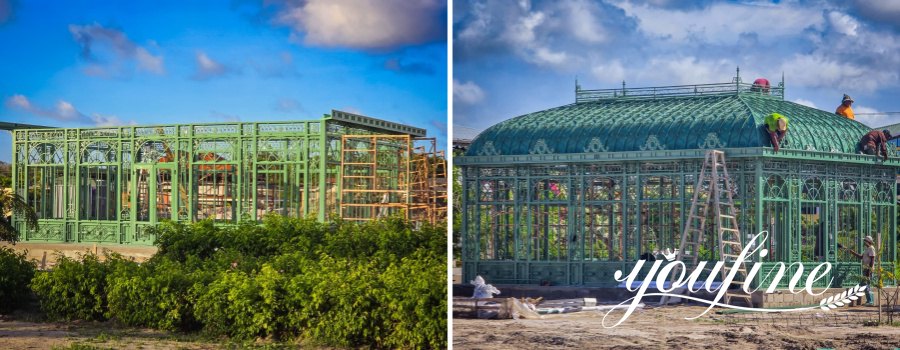
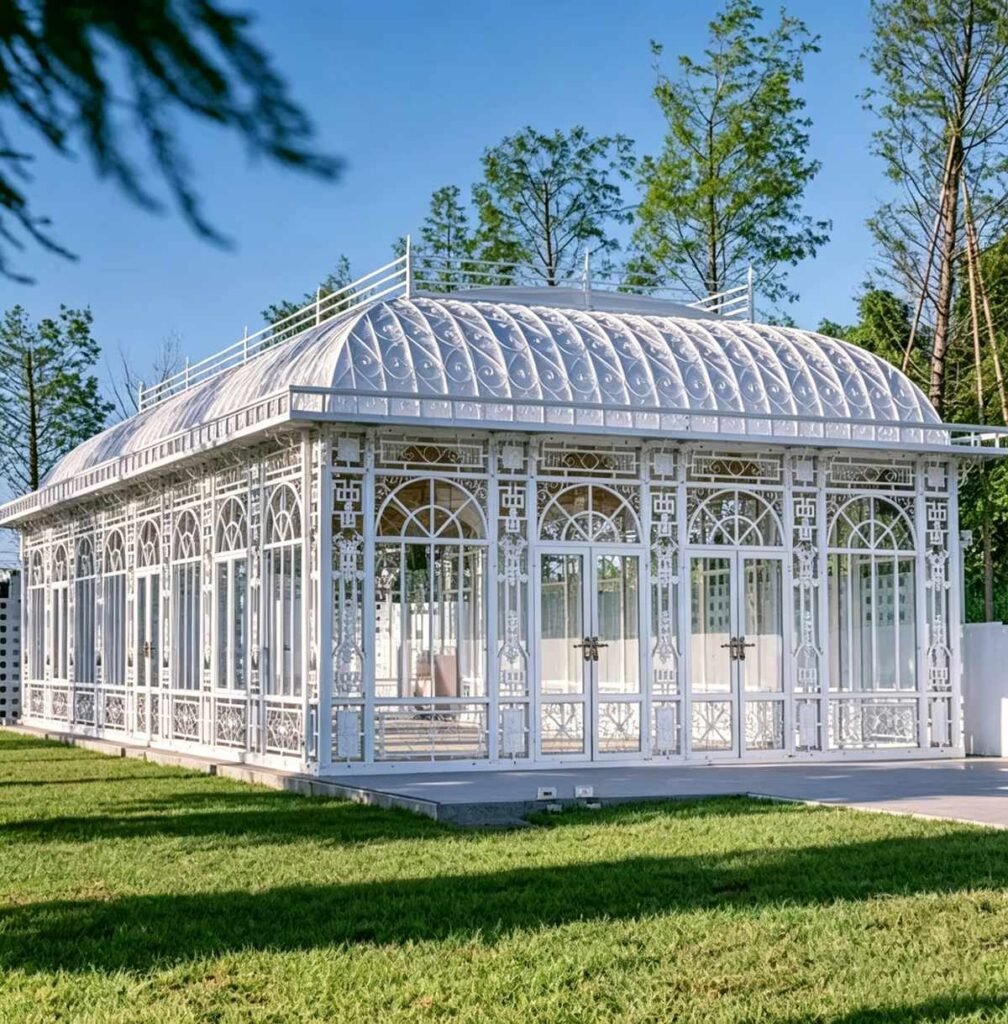
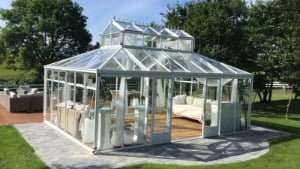
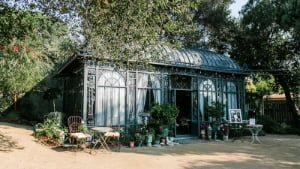
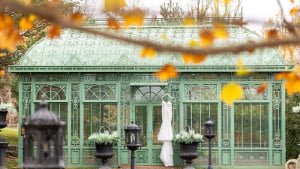
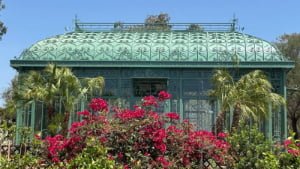
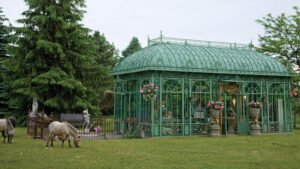
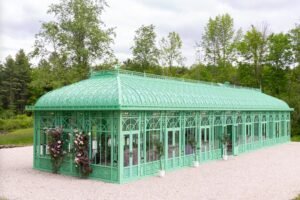
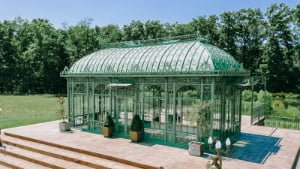
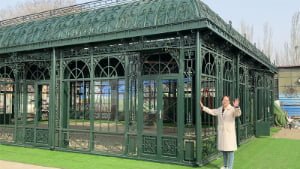
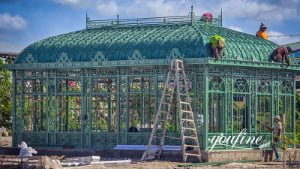
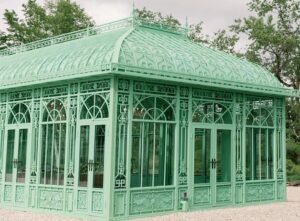
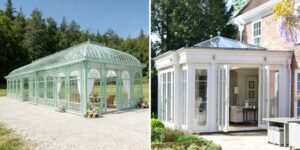
A freestanding greenhouse is a fully independent structure that can be placed anywhere in your garden or property. It does not rely on any existing building for support.
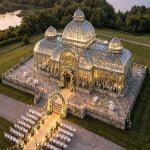
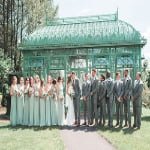
These greenhouses are often seen in larger gardens and estates, and they are especially popular for Victorian-style glasshouses or custom-designed luxury greenhouses.
Key Advantages
Maximum sunlight from all directions
- Better airflow and ventilation
- Flexible size and design options
- Ideal for large-scale planting or premium landscaping
A freestanding greenhouse is perfect if you want a centerpiece structure that stands out.
YouFine Case:
What Is a Lean-to Greenhouse?
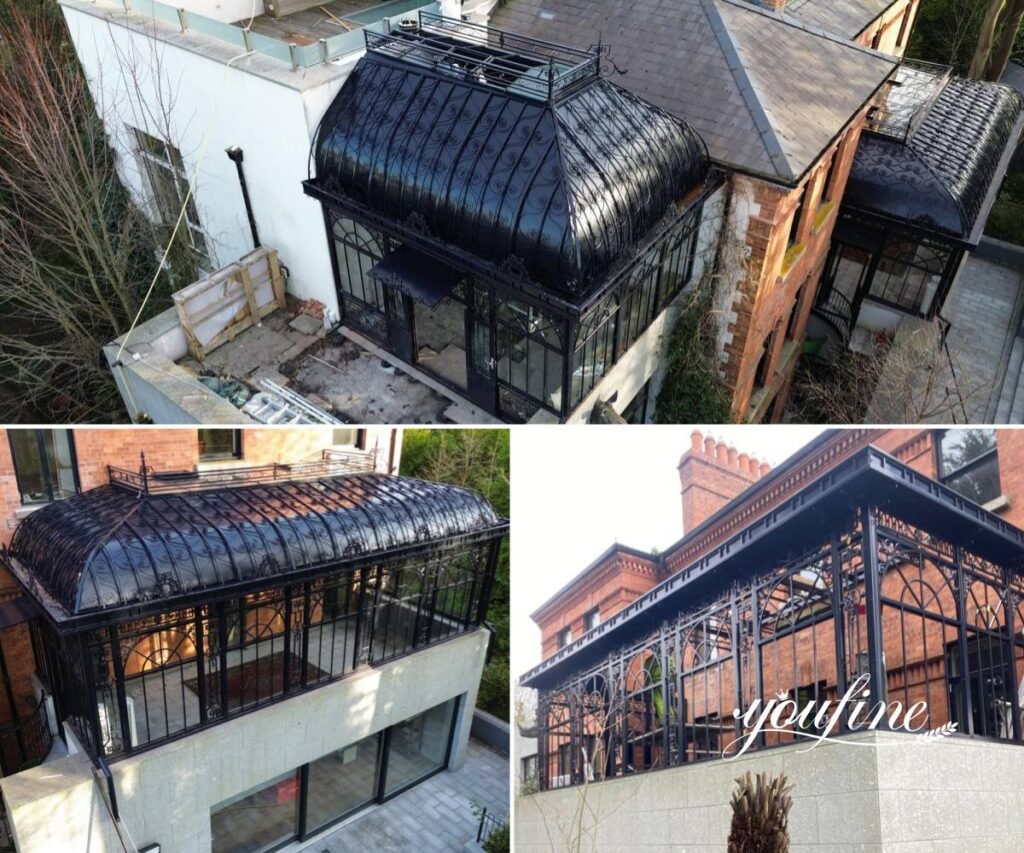
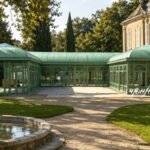
A lean-to greenhouse is built against an existing wall—typically attached to a house, garage, or garden wall. It uses that wall as part of its structure.
This type is especially popular among homeowners with limited space or those looking for a more convenient, accessible greenhouse.
Key Advantages
- Space-saving design
- Lower construction cost
- Easier access from the house
- Improved heat retention due to shared wall
A lean-to greenhouse is ideal for practical, everyday gardening with efficient use of space.
YouFine Case:
Freestanding vs Lean-to Greenhouse: Key Differences
1. Space Requirements
Freestanding: Requires dedicated space and works best in open areas
Lean-to: Fits into narrow or unused areas alongside walls
If your garden is limited, a lean-to is often the smarter choice.
2. Sunlight Exposure
Freestanding: Receives sunlight from all sides throughout the day
Lean-to: Sunlight depends heavily on wall orientation
For lean-to designs, a south-facing wall is highly recommended for optimal light.
3. Temperature Control
Lean-to: Benefits from heat retention from the adjacent building
Freestanding: More exposed but provides more uniform internal conditions
Lean-to greenhouses are typically more energy-efficient in colder climates.
4. Ventilation
Freestanding: Natural cross-ventilation is easier to achieve
Lean-to: Requires careful design of vents and airflow systems
Poor ventilation is one of the main causes of greenhouse overheating—this is critical.
5. Installation & Cost
Lean-to: More affordable due to fewer materials and shared structure
Freestanding: Higher cost but greater flexibility and scalability
If budget is a concern, lean-to is a good entry option.
6. Aesthetic & Property Value
Freestanding: Acts as a visual focal point and luxury feature
Lean-to: Blends into existing architecture
High-end freestanding greenhouses can significantly enhance property appeal and value.
Pros and Cons Summary
| Feature | Freestanding Greenhouse | Lean-to Greenhouse |
| Pros | – Best sunlight exposure- Flexible design and size- Superior ventilation- Ideal for large gardens and luxury projects | – Space-efficient- Lower cost- Better insulation- Convenient access |
| Cons | – Higher cost- Requires more space | – Limited sunlight (depending on orientation)- Less design flexibility- Ventilation can be challenging |
| Best For | Large properties, luxury buyers, venue | Small spaces, budget-conscious homeowners |
Which Greenh ouse Is Better for You?
Choose a Freestanding Greenhouse If You:
Have a large backyard or estate
Want a visually striking structure
Plan to grow a wide variety of plants
Are investing in a long-term, high-end solution
Choose a Lean-to Greenhouse If You:
Have limited outdoor space
Prefer lower upfront costs
Want easy access from your home
Need a practical and efficient growing area
Climate Considerations You Shouldn’t Ignore
Your local climate plays a huge role in greenhouse performance:
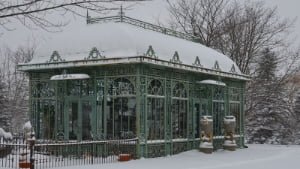
- Snowy regions: Require strong structural load capacity
- Windy areas: Need reinforced frames and secure anchoring
- Hot climates: Demand excellent ventilation and shading
- Rainy/humid zones: Require superior sealing and drainage systems
Choosing the wrong structure—or weak materials—can lead to leaks, deformation, or even collapse in extreme weather.
Why Material Matters More Than You Think
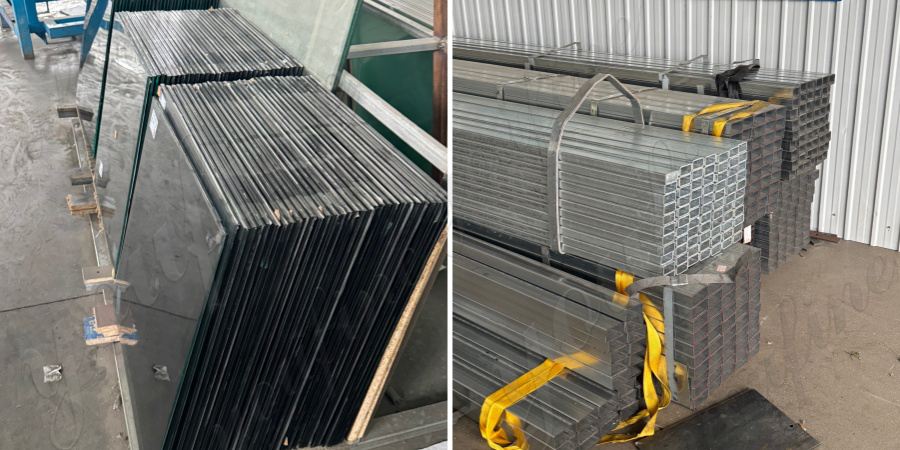
No matter which type you choose, the material of your greenhouse frame is critical.
Many low-cost greenhouses use aluminum frames, which are lightweight but can struggle under heavy snow or strong winds.
Steel greenhouses, on the other hand, offer:
- Higher structural strength
- Better durability in extreme weather
- Longer lifespan with less maintenance
For homeowners investing in a permanent structure, steel provides long-term reliability and safety.
Conclusion
There is no one-size-fits-all answer when choosing between a freestanding and a lean-to greenhouse.
If you want maximum performance, flexibility, and visual impact, go with a freestanding greenhouse.
If you need efficiency, affordability, and space-saving design, a lean-to greenhouse is a smart choice.
The key is to match your greenhouse to your space, climate, and long-term goals.
Every property is different—and the best greenhouse is one that’s tailored to your exact needs.
If you’re planning a greenhouse project, we can help you:
- Customize size and structure
- Choose the right materials
- Design for your local climate
Contact YouFine today to get a professional recommendation and quote.
FAQ
- Is a lean-to greenhouse cheaper than a freestanding one?
Yes, lean-to greenhouses are typically more cost-effective due to reduced materials and simpler construction.
- Which greenhouse is better for winter?
Lean-to greenhouses generally perform better in winter because they retain heat from the adjacent building.
- Can I expand a lean-to greenhouse later?
Expansion is limited compared to freestanding structures, which are easier to modify or enlarge.
- What is the best direction for a greenhouse?
A south-facing orientation is ideal for maximizing sunlight exposure throughout the day.


hello world
hello world