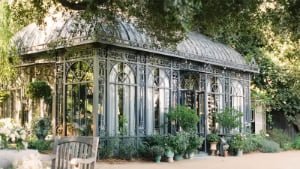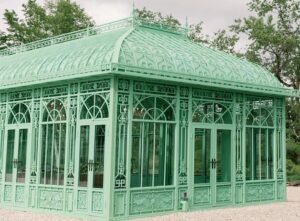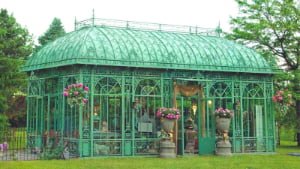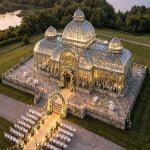
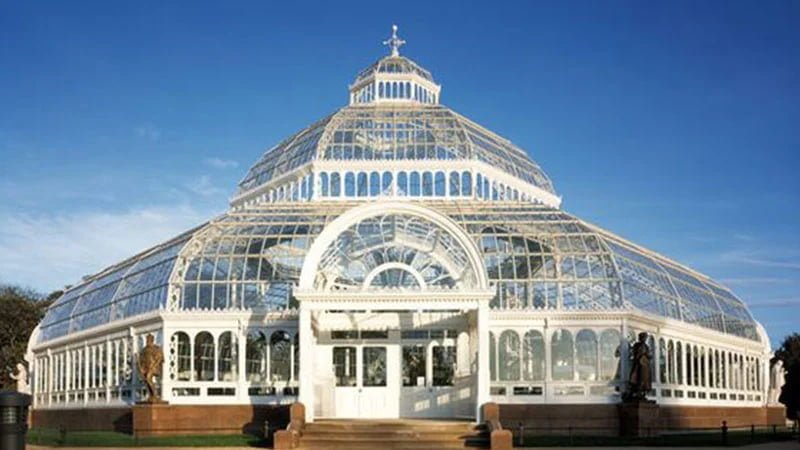
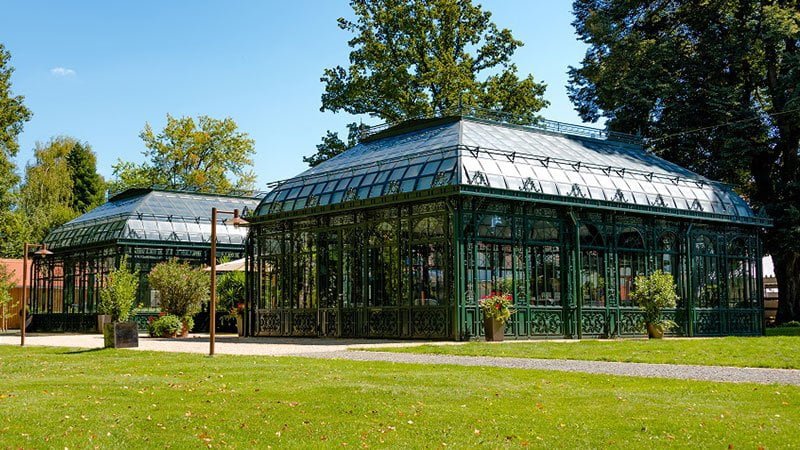
For thousands of years, people have searched for ways to protect plants from harsh weather and extend growing seasons beyond the limits of nature. What began as simple plant shelters in the ancient world gradually evolved into some of the most elegant architectural structures ever built. Today’s luxurious Victorian glass conservatories and wrought iron greenhouses are not merely gardening spaces—they are the result of centuries of innovation, craftsmanship, and artistic ambition.
The history of greenhouses is closely connected to human civilization itself. From Roman emperors cultivating vegetables in winter to European aristocrats displaying exotic citrus trees, greenhouses have always reflected both practical needs and social prestige. Over time, they transformed from agricultural tools into symbols of wealth, culture, and refined living.
Among all periods in greenhouse history, the Victorian era is widely regarded as the golden age of greenhouse design. The combination of iron engineering, glass production, and decorative architecture created the iconic conservatories that continue to inspire luxury greenhouse designs today.
To understand why Victorian wrought iron greenhouses remain so admired around the world, we must first look back at where greenhouse history truly began.
The Earliest Origins: Ancient Rome and the First Plant Protection Structures
The history of greenhouses began in ancient civilizations, where people searched for ways to protect plants from cold weather and extend growing seasons. Early plant shelters were created to preserve valuable crops, support food production, and protect rare plants brought from distant regions.
Why Ancient Civilizations Needed Plant Protection
As agriculture developed, people realized that harsh winters and changing climates limited what they could grow. Protecting plants became essential for:
- Extending growing seasons
- Preserving rare plants
- Improving food supply
This need eventually led to the earliest forms of controlled growing environments.
Roman Gardening Innovation
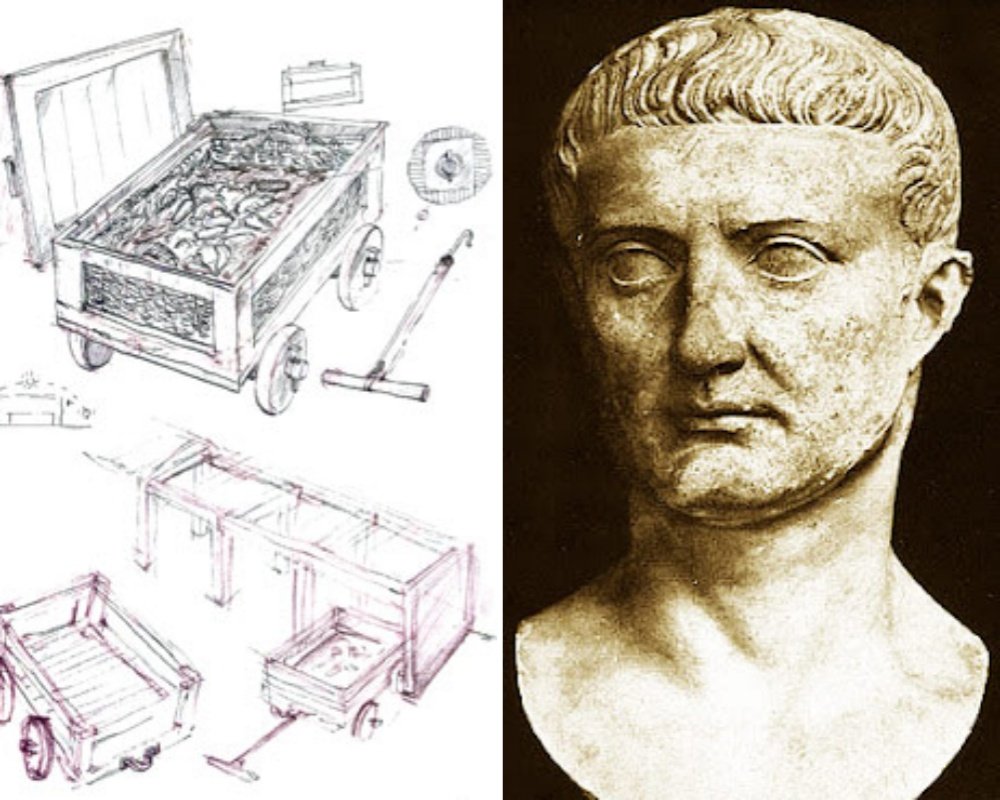
Some of the first greenhouse-like structures appeared during the Roman Empire. According to historical accounts, Emperor Tiberius wanted cucumbers throughout the entire year. To achieve this, Roman gardeners developed movable planting beds that could be rolled into sunlight during the day and protected at night.
They also used translucent coverings such as oiled cloth or thin mica sheets to trap warmth while still allowing sunlight to enter. These simple systems introduced early forms of temperature control and protected cultivation.
The First Greenhouse Principle
Although these structures were primitive, they marked the beginning of greenhouse history.
Although these structures were simple, they introduced the essential greenhouse idea: creating an artificial environment for plants.
Renaissance Europe: The Birth of the First Real Greenhouses
During the Renaissance, greenhouse history entered a new stage. As European exploration expanded, exotic plants from Asia, Africa, and the Americas were brought back to Europe. Tropical flowers, rare herbs, and citrus trees quickly became highly desirable among wealthy families and botanical collectors.
The Arrival of Exotic Plants in Europe
The Age of Exploration introduced Europeans to many plant species that could not survive local winters naturally. Protecting these valuable plants became increasingly important, especially for citrus trees and tropical plants owned by aristocrats and royal estates.
Italy and the Earliest Glass Structures
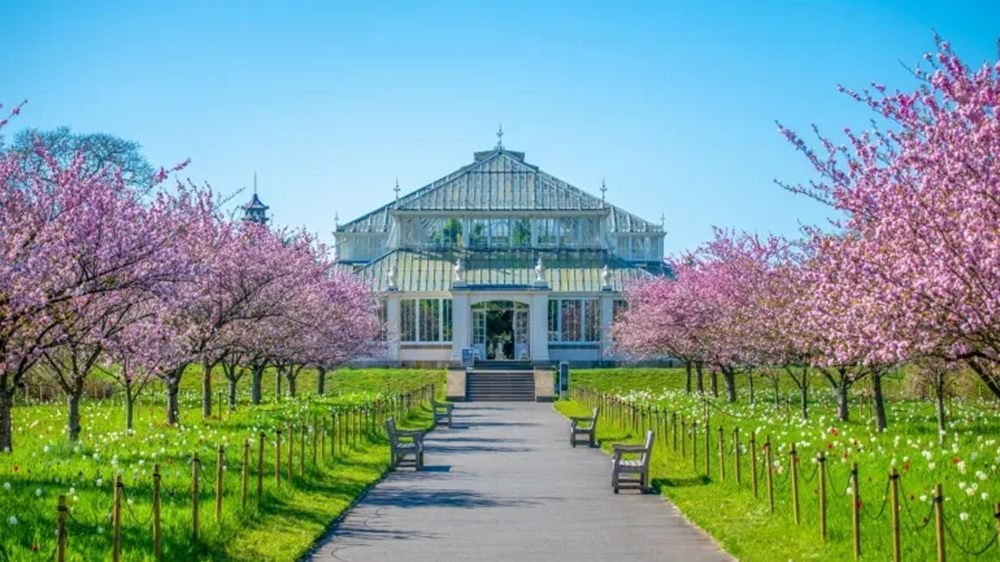
Italy became one of the first regions to develop permanent greenhouse-like buildings. Early structures were commonly built in botanical gardens and aristocratic estates, using south-facing designs to maximize sunlight exposure. These buildings combined stone walls, wooden frames, and large windows to create warmer growing environments.
You can see early botanical greenhouse development influences still preserved in historic gardens such as the Royal Botanic Gardens, Kew1.
From Utility to Prestige
As greenhouse design improved, these structures became more than practical growing spaces. Greenhouses gradually turned into symbols of education, wealth, and cultural sophistication, reflecting both scientific interest and aristocratic status.
The Age of Orangeries: When Greenhouses Became Symbols of Wealth
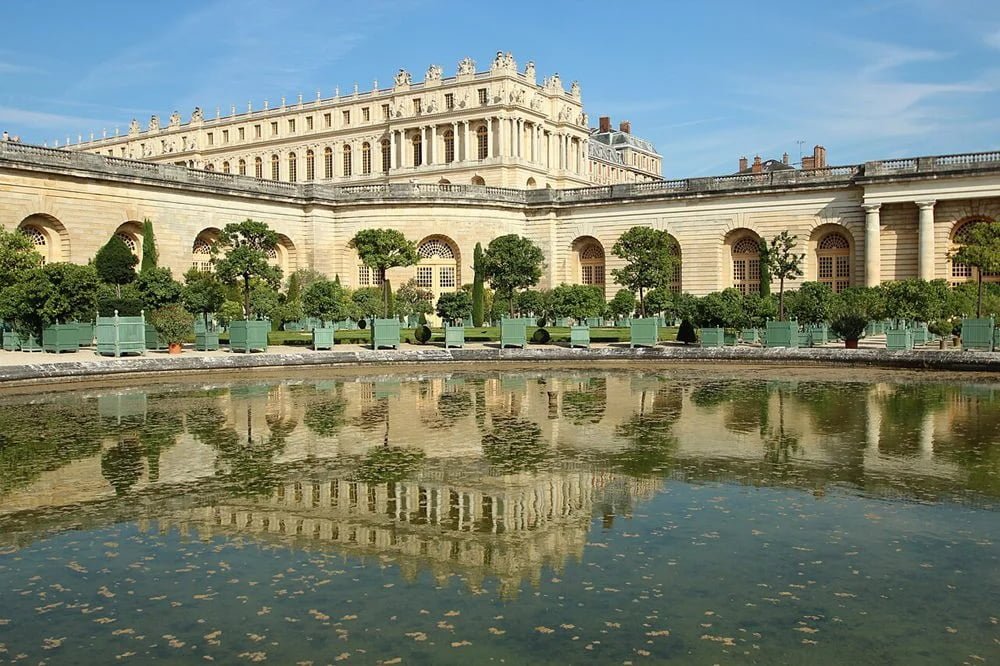
By the seventeenth and eighteenth centuries, greenhouses had evolved beyond simple plant shelters and became important features of European aristocratic estates. This period gave rise to the famous orangery, a luxurious structure designed primarily to protect citrus trees during winter.
What Was an Orangery?
An orangery was a large garden building used to grow and shelter exotic plants, especially orange and lemon trees. Originally developed in Europe’s royal courts and noble estates, orangeries combined plant cultivation with elegant architecture.
Why Orangeries Became Popular Among European Nobility
Owning citrus trees was considered a symbol of wealth and refinement because exotic plants were expensive and difficult to maintain. As a result, orangeries became status symbols that reflected the owner’s social position, education, and appreciation for art and gardening.
They also became important parts of estate architecture, often integrated into formal gardens and palace landscapes.
Architectural Features of Early Orangeries
| Feature | Orangery Design |
| Main Material | Brick and Stone |
| Windows | Large South-Facing Glass |
| Roof Structure | Mostly Solid |
| Main Purpose | Protect Citrus Trees |
| Typical Owners | Nobility and Royal Estates |
Compared to later Victorian glasshouses, early orangeries were heavier and more solid in appearance. However, they represented an important step toward modern greenhouse architecture.
The Transition Toward Glasshouses
As glass manufacturing improved, greenhouses gradually became lighter, brighter, and more architecturally ambitious. This transformation eventually led to the magnificent iron-and-glass conservatories of the Victorian era.
Victorian Era: The Golden Age of Greenhouse Design
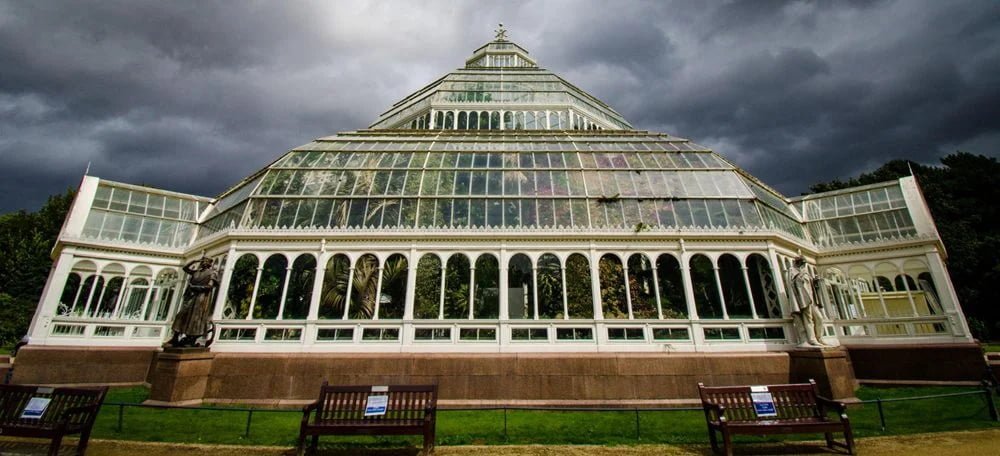
The Victorian era marked the most important chapter in greenhouse history. During the nineteenth century, advances in industry, engineering, and architecture transformed greenhouses from heavy garden buildings into elegant glass conservatories filled with light and decorative detail.
For the first time, greenhouses became both highly functional and visually magnificent.
Industrial Revolution Changed Greenhouse Construction
The Industrial Revolution completely changed how greenhouses were built. New engineering techniques made it possible to produce cast iron frames and large sheets of glass on a much larger scale.
Compared to earlier brick or stone structures, iron-and-glass construction created lighter buildings with greater transparency and larger interior spaces. These innovations allowed architects to design increasingly ambitious conservatories and botanical glasshouses.
A landmark structure that transformed glass architecture worldwide was the Crystal Palace (Great Exhibition 1851)2.
Why Victorian Greenhouses Looked So Elegant
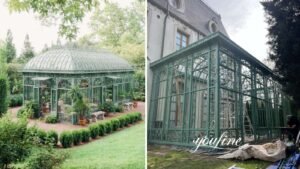
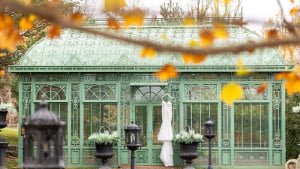
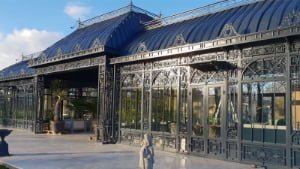
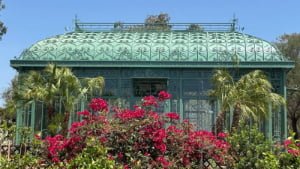
Victorian greenhouses quickly became famous for their beauty and craftsmanship. Their designs often featured:
- Curved roofs
- Ornate ironwork
- Decorative finials and cresting
- Large glass panels
- Symmetrical layouts
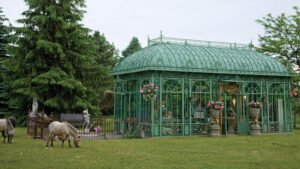
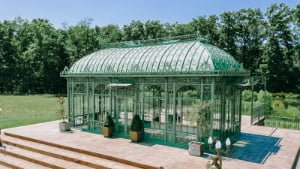
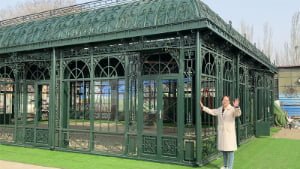
Victorian conservatories combined engineering innovation with artistic beauty. Rather than serving only as plant shelters, they became architectural centerpieces for luxury estates and formal gardens.
Greenhouses Became Luxury Living Spaces
During the Victorian period, conservatories evolved beyond gardening spaces and became important parts of daily social life.
Wealthy families used them as:
- Tea rooms
- Winter gardens
- Relaxation spaces
- Social gathering areas
The greenhouse was no longer simply a place to grow plants—it became a comfortable and elegant environment where people could enjoy nature throughout the year.
Heating and Ventilation Innovation
Victorian engineers also introduced improved heating and ventilation systems. Boilers, pipe heating, and roof ventilation helped maintain stable temperatures inside conservatories, making year-round plant cultivation possible even during cold winters.
These innovations greatly expanded both the functionality and popularity of greenhouses.
Why the Victorian Style Still Defines Luxury Greenhouses Today
The Victorian era established the classic greenhouse style that continues to influence luxury conservatory design today. Its balance of elegance, craftsmanship, and practicality has never truly gone out of fashion.
Most luxury greenhouses today still borrow heavily from Victorian greenhouse architecture.
Famous Victorian Greenhouses That Changed Architectural History
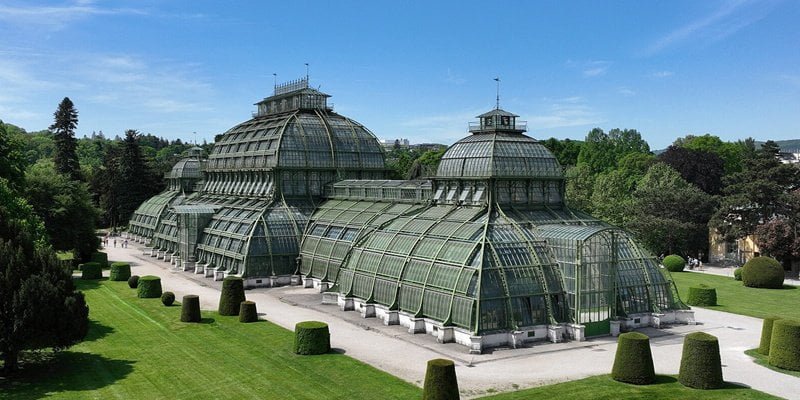
Several landmark Victorian greenhouses helped define the architectural identity of iron-and-glass conservatories and continue to influence greenhouse design today. These structures are not only botanical spaces but also milestones in architectural engineering and decorative garden design.
The Palm House at Kew Gardens3
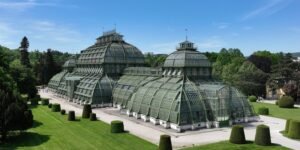
The Palm House at Kew Gardens is one of the most iconic Victorian glasshouses ever built. Completed in the mid-19th century, it showcases advanced wrought iron engineering combined with sweeping glass panels designed to house tropical plant species.
Its elegant curved structure became a reference point for future conservatory design, proving that large-scale glass architecture could be both functional and visually refined.
The Crystal Palace
The famous Crystal Palace, originally built for the Great Exhibition of 1851, represents one of the most ambitious uses of iron and glass in architectural history. Although not a greenhouse in the traditional sense, its modular design, transparency, and prefabricated structure revolutionized how large glass buildings were conceived.
It demonstrated that iron-and-glass construction could be scaled to an unprecedented level, influencing both public architecture and greenhouse design across Europe.
Great Conservatories of English Estates
Throughout Victorian England, many grand country estates built their own conservatories to display exotic plants and enhance garden landscapes. These private glasshouses became essential features of aristocratic life, combining horticultural function with refined architectural aesthetics.
Many of these estate conservatories still stand today, reflecting the craftsmanship and design principles that defined the Victorian era.
For a deeper exploration of these architectural landmarks, read our full guide to the most famous Victorian greenhouses in history.
20th Century to Today: From Commercial Growing to Luxury Garden Living
In the 20th century, greenhouse design split into two clear directions: industrial agriculture and luxury residential architecture.
The Rise of Commercial Greenhouses
Commercial greenhouses became highly functional systems focused on food production and efficiency. New materials and technologies transformed their structure:
- Aluminum frames
- Plastic and polycarbonate coverings
- Industrial-scale farming systems
- Automated climate control
These greenhouses prioritized productivity, not architectural beauty.
The Survival of Luxury Conservatories
At the same time, luxury conservatories continued the Victorian design tradition. While commercial models became utilitarian, high-end homeowners still preferred elegant glass structures inspired by classical greenhouse aesthetics.
The Victorian style remained a reference point for timeless garden architecture.
Modern Homeowners Rediscover Garden Conservatories
Today, conservatories are widely used as multifunctional living spaces rather than purely horticultural structures.
| Use | Purpose |
| Garden Retreat | Relaxation surrounded by greenery |
| Outdoor Living | Extension of indoor space into the garden |
| Wellness Space | Yoga, meditation, quiet time |
| Dining Room | Bright nature-filled dining environment |
| Home Office | Calm workspace with natural light |
Modern design continues to blend comfort, lifestyle, and nature, bringing greenhouse architecture back into everyday luxury living.
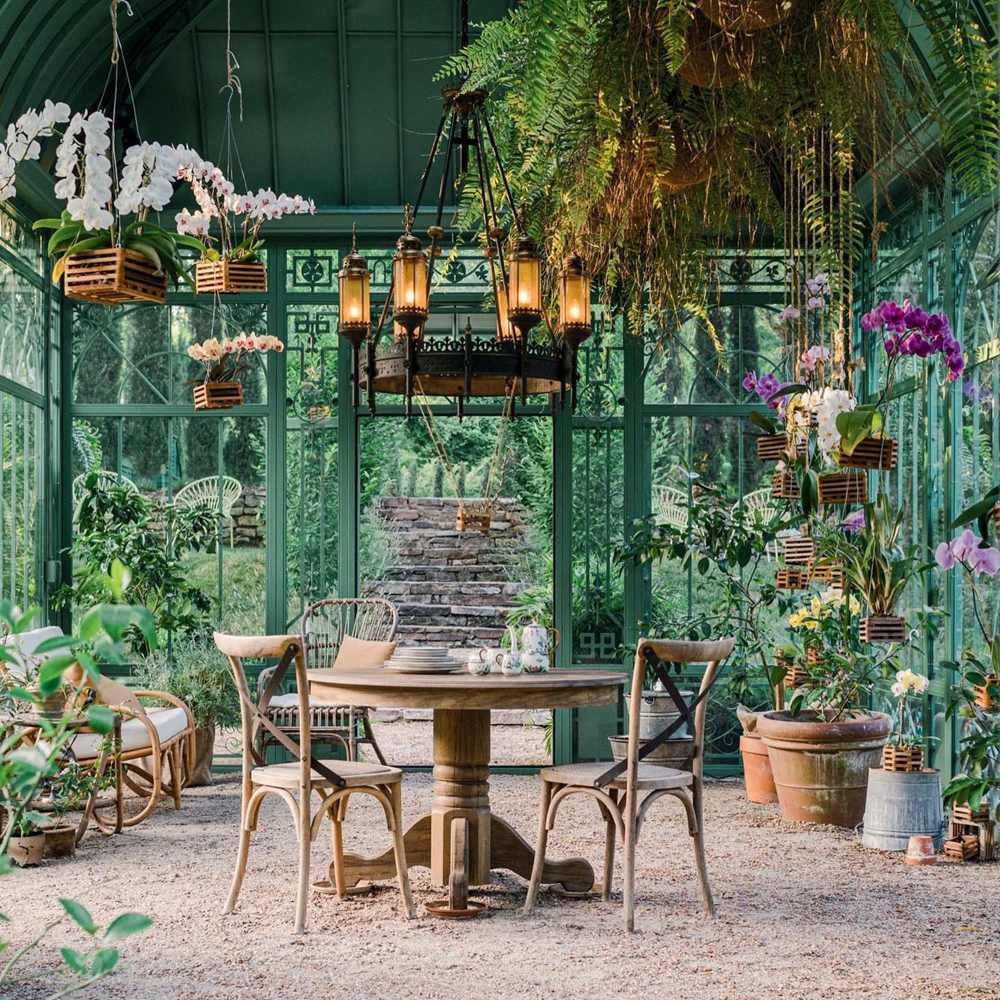
Why Victorian Wrought Iron Greenhouses Remain the Ultimate Expression of Greenhouse History
Victorian wrought iron greenhouses are considered the peak of greenhouse evolution because they combine history, craftsmanship, and lasting architectural value.
Timeless European Elegance
Their balanced proportions and decorative ironwork create a classic European style that never goes out of fashion, making them suitable for both traditional estates and modern gardens.
Stronger and More Durable Than Aluminum Structures
Wrought iron provides superior strength and long-term stability compared to lightweight aluminum, making Victorian greenhouses more durable and structurally reliable.
Architectural Beauty Beyond Simple Gardening
Unlike commercial greenhouses, they are designed as architectural features, blending nature and living space rather than serving only agricultural purposes.
A Connection to Historic British Garden Culture
They reflect the heritage of British estate gardens and Victorian-era craftsmanship, carrying a sense of history and cultural identity.
Fully Customizable for Modern Luxury Homes
Today’s designs can be tailored in size, layout, and function, combining historic aesthetics with modern comfort and usability.
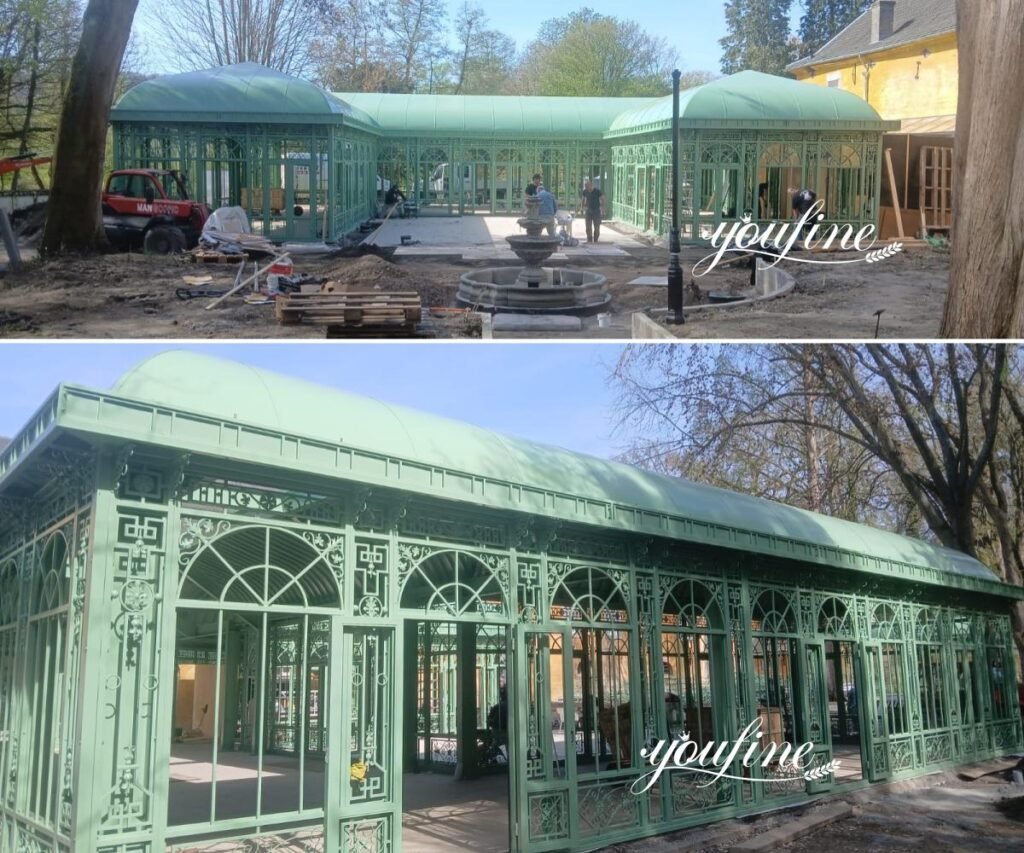
Conclusion: Continuing the Tradition of Historic Greenhouse Craftsmanship
The history of greenhouses is a story of continuous evolution. What began as simple plant shelters in Ancient Rome gradually transformed into magnificent Victorian glass conservatories admired around the world today.
Over centuries, greenhouses evolved from practical agricultural tools into symbols of wealth, artistry, and sophisticated living. Among all historical styles, Victorian wrought iron conservatories remain the ultimate expression of greenhouse design because they combine engineering innovation with timeless beauty.
At YouFine, we continue this historic tradition by crafting custom wrought iron greenhouses and conservatories inspired by classic British and Victorian architecture. Drawing from centuries of European greenhouse craftsmanship, our structures combine elegant ironwork, durable construction, and modern functionality to create truly timeless garden spaces.
If you are looking for a bespoke Victorian greenhouse, YouFine can help bring centuries of greenhouse history into your own garden.
- The World-famous Kew Gardens: Royal Botanic Garden ↩︎
- Crystal Palace History – Royal Collection Trust ↩︎
- The Palm House—an extraordinary indoor rainforest featuring tropical plants from some of the world’s endangered environments. ↩︎