When planning an iron greenhouse, many buyers focus on appearance—Victorian details, elegant proportions, or decorative ironwork. While aesthetics are important, they are only one part of the equation.
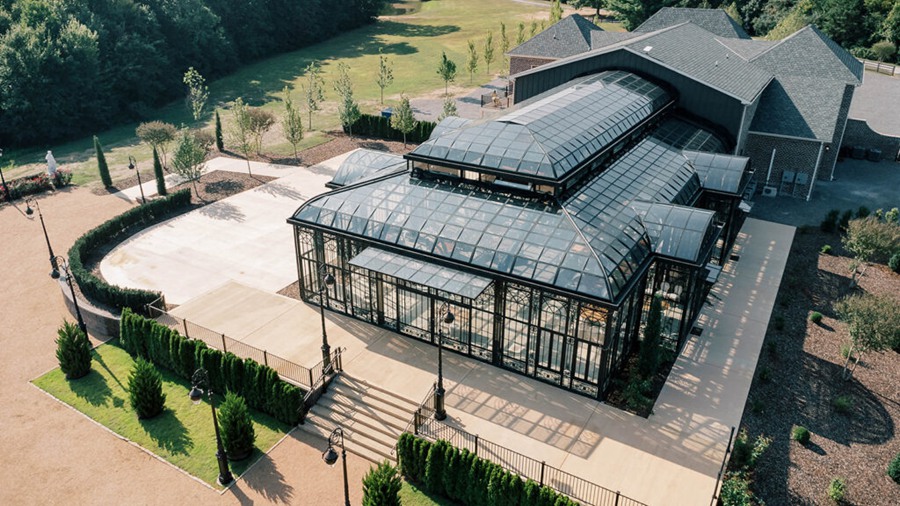
In reality, an iron greenhouse is not a simple garden accessory. It is a permanent architectural structure that must withstand wind, snow, temperature changes, and long-term use. This is where engineered drawings become critical.
For B2B buyers, architects, and designers in Europe, North America, and the Middle East, engineered drawings are not an optional extra—they are the foundation of a safe, durable, and successful project.
Iron Greenhouses Are Engineered Structures
Unlike lightweight aluminum or prefabricated greenhouses, iron greenhouses are typically:
- Custom-sized
- Heavy-weight metal structures
- Installed on concrete foundations
- Designed for long-term or permanent use
This means they must be treated as structural systems, not off-the-shelf garden products. Without proper engineering, even the most beautiful iron greenhouse can face serious risks over time.
What Are Engineered Drawings for Iron Greenhouses
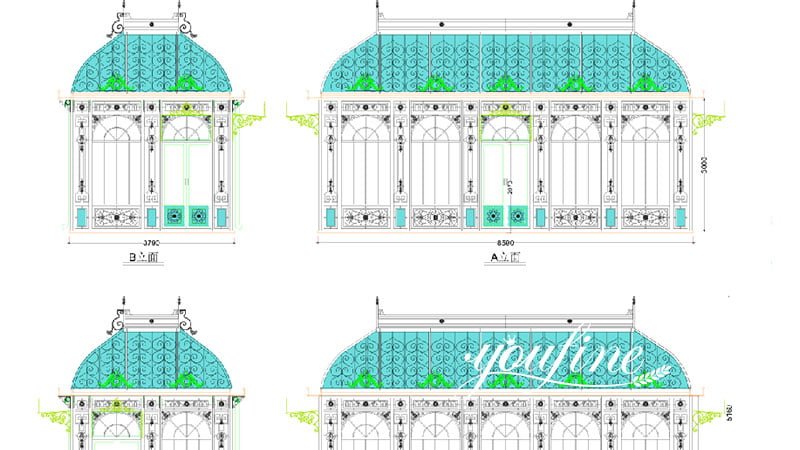
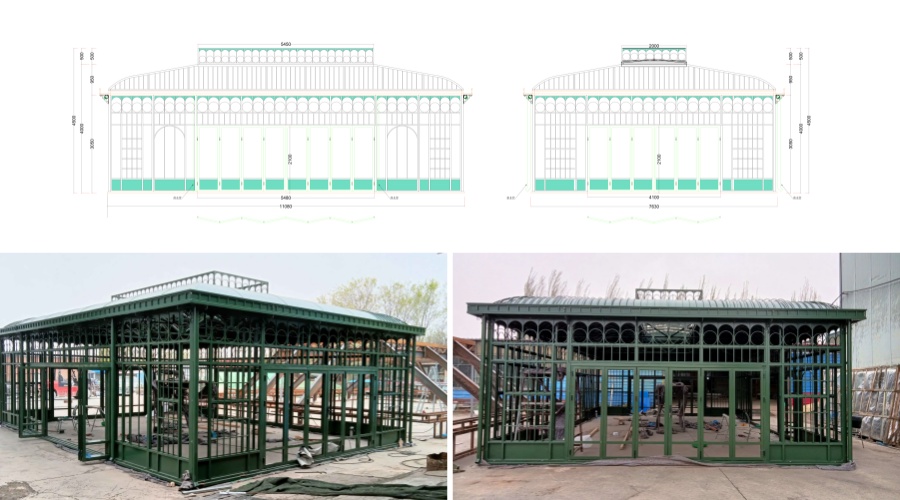
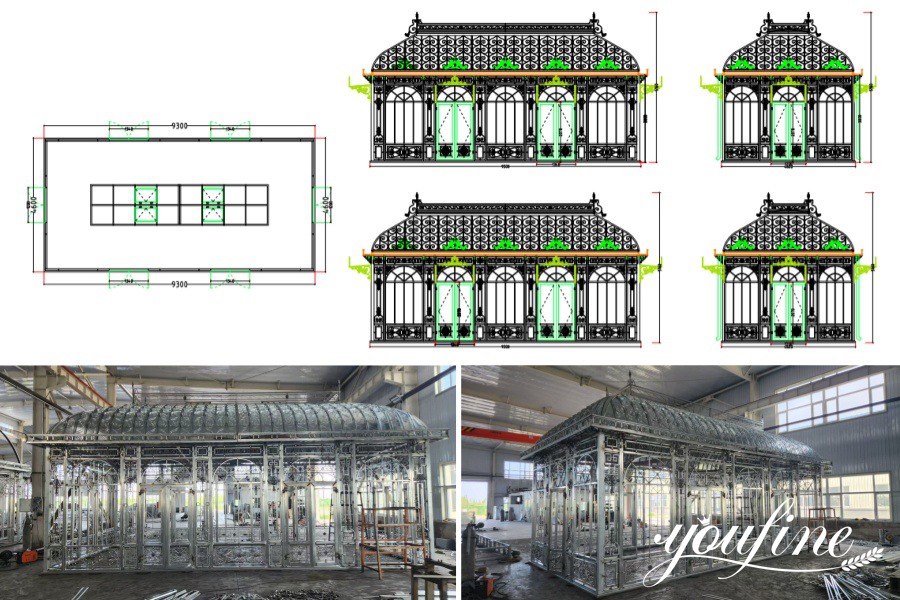
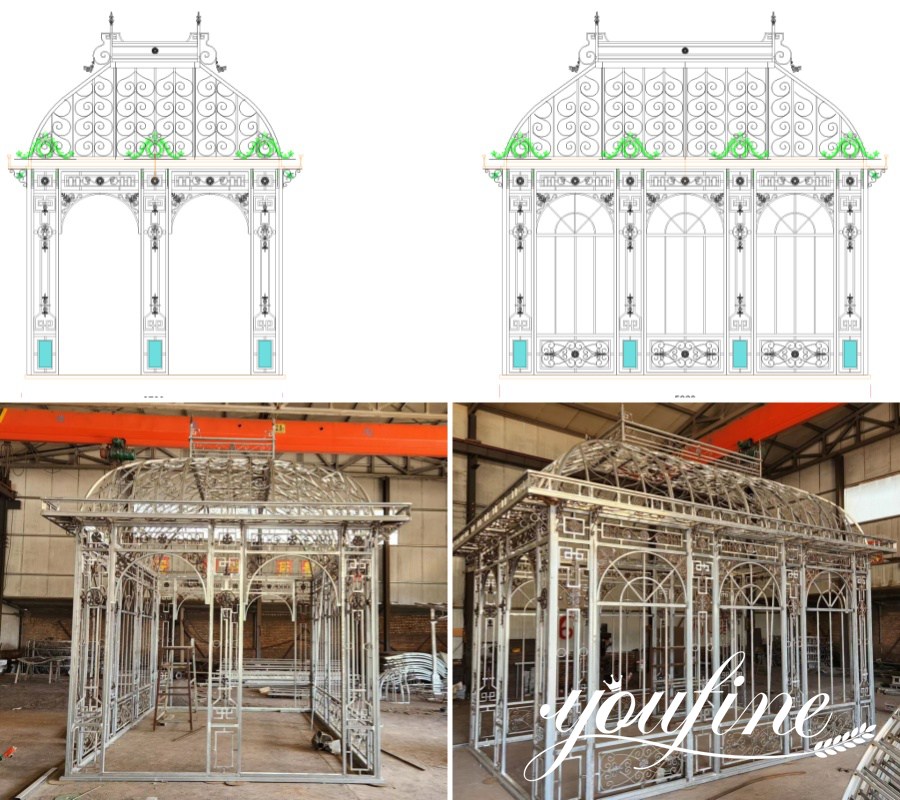
Engineered drawings go far beyond visual renderings or concept sketches. They are construction-ready documents that translate design intent into buildable reality.
- Typical engineered drawings include:
- Structural layout and framing plans
- Wind load and snow load calculations
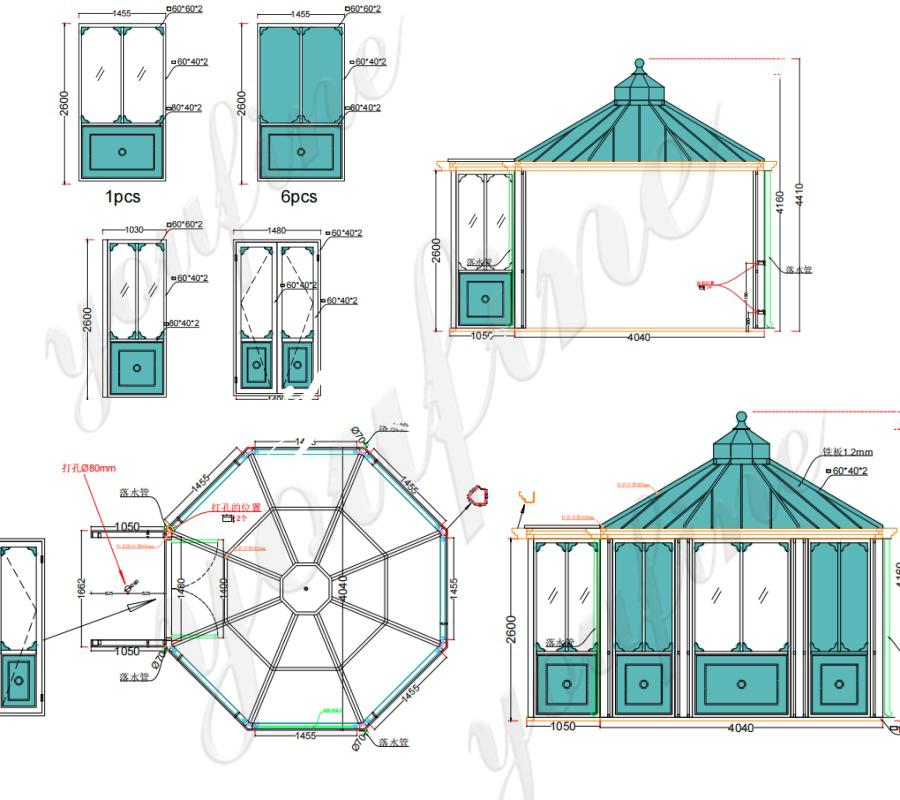
- Connection and joint details
- Foundation and anchoring drawings
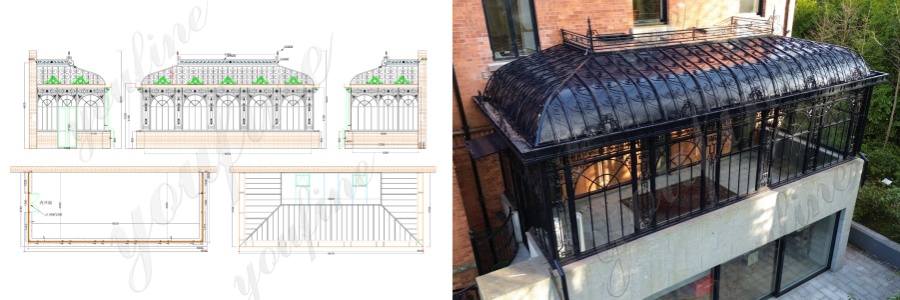
- Sections, elevations, and critical node details
These drawings ensure that every part of the iron greenhouse—from the main frame to decorative elements—is structurally sound and precisely defined.
Structural Safety and Code Compliance Across Markets
Designed for Regional Standards
Different markets come with different regulatory and environmental requirements:
- Europe: Eurocode standards, snow load zones, wind exposure classes
- North America: IBC, ASCE wind and snow load requirements
- Middle East: High wind pressure, extreme heat, and sand exposure
Engineered drawings allow iron greenhouses to be designed specifically for local codes, making approvals smoother and reducing legal or structural risks.
Long-Term Structural Reliability
Proper engineering ensures:
- Stable load transfer
- Controlled deflection
- Secure connections under stress
This is especially important for large-span or glass-heavy iron greenhouse structures.
Accurate Load Design for Climate-Specific Performance
Climate conditions directly affect structural design:
- Snow accumulation in northern Europe and North America
- Strong coastal winds
- High temperatures and thermal expansion in the Middle East
Engineered drawings account for these factors from the beginning, ensuring the greenhouse performs reliably year after year—without unexpected deformation, loosened joints, or glass stress.
Reducing Project Risk and Cost Overruns
Without engineered drawings, projects often face:
- On-site installation difficulties
- Unclear connection details
- Structural adjustments during construction
- Delays and additional costs
With complete engineering documentation:
- Risks are addressed during the design phase
- Fabrication is accurate and predictable
- Installation becomes faster and more efficient
For international projects, this risk reduction is especially valuable.
From Custom Design to Precise Fabrication
Iron greenhouses are rarely standard products
- Dimensions and spans
- Roof shapes and glazing layouts
- Decorative iron elements
Engineered drawings ensure that
- Custom designs are structurally feasible
- Every component can be fabricated accurately
- Decorative elements integrate seamlessly with the load-bearing structure
This prevents the common problem of “designs that look good on paper but fail in production.”
Improving Installation Efficiency and On-Site Coordination
Clear engineering documentation benefits installation teams by:
- Defining exact connection methods
- Providing clear assembly sequences
- Reducing reliance on on-site improvisation
For overseas projects where local contractors handle installation, engineered drawings become a critical communication tool, ensuring the structure is built exactly as intended.
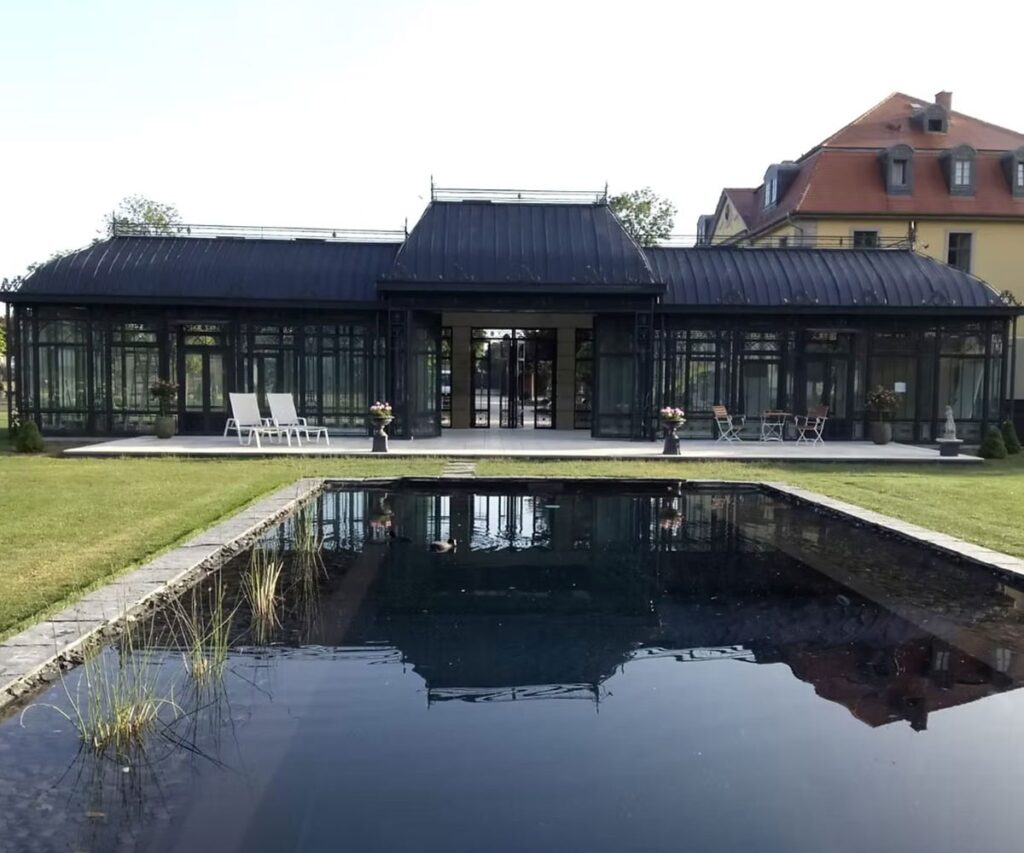
Why Engineered Drawings Are Essential for Large or Permanent Iron Greenhouses
As iron greenhouses increase in size and complexity, the margin for error decreases. This is especially true for:
- Hotel and resort greenhouses
- Botanical gardens
- Commercial estates
- High-end private villas
In these cases, engineered drawings are not just helpful—they are essential for safety, durability, and long-term value.
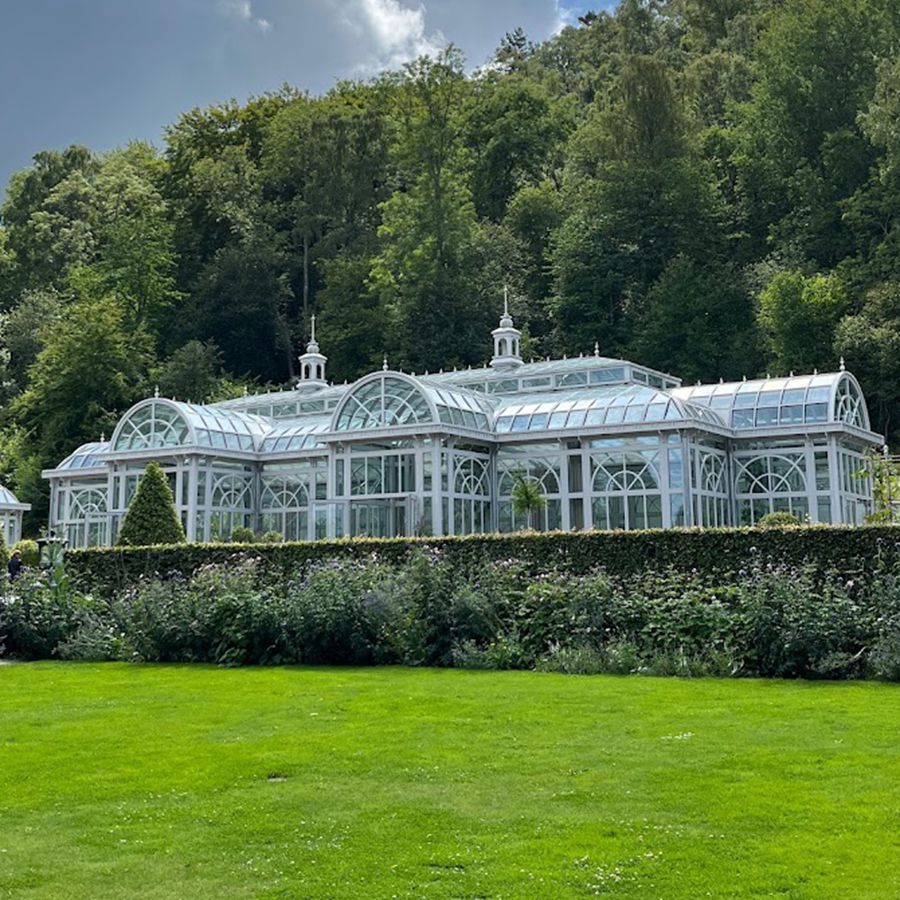
Engineered Drawings Reflect the Capability of the Manufacturer
Not all suppliers offer true engineering support. Engineered drawings are a clear sign of:
- Technical expertise
- Structural understanding
- Experience with complex international projects
For B2B buyers and architects, choosing a manufacturer with in-house engineering capabilities significantly reduces project uncertainty.
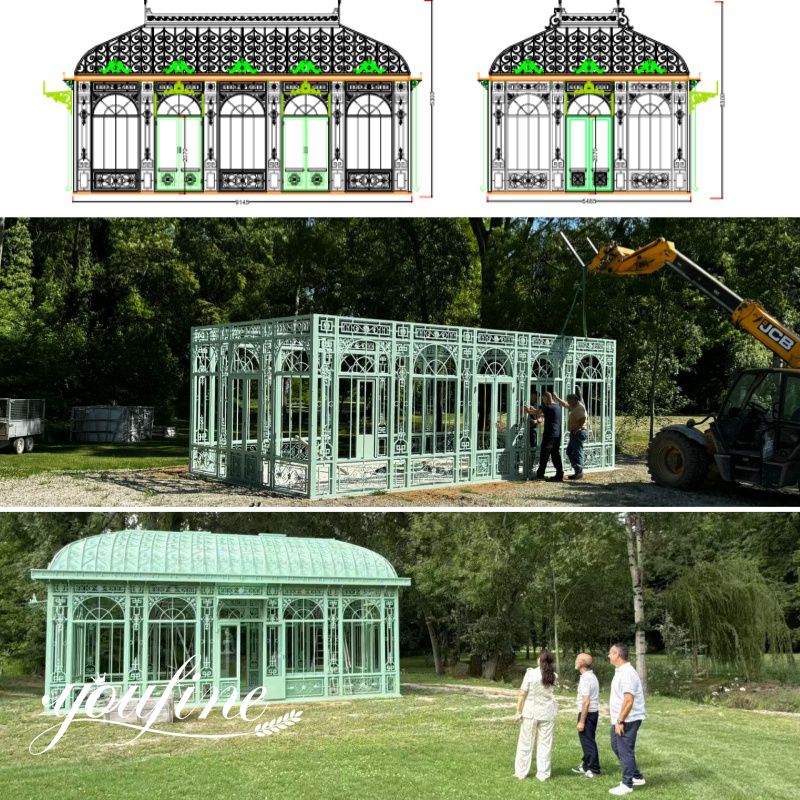
Conclusion
An iron greenhouse is a long-term investment, not a temporary structure. Engineered drawings provide:
- Structural safety and compliance
- Reduced project risk and better cost control
- Reliable performance across different climates
In the end, engineered drawings are not just technical documents—they are the foundation that transforms a beautiful iron greenhouse into a durable architectural asset.
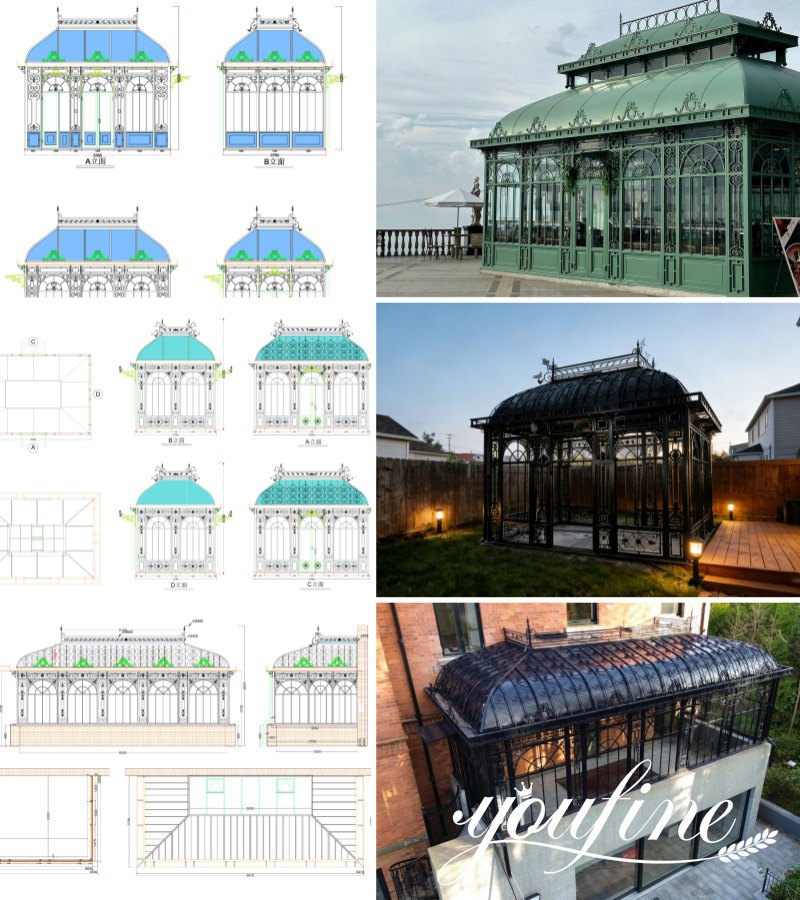
Why Choose YouFine for Iron Greenhouses
At YouFine, we understand that an iron greenhouse is more than a decorative feature—it is a long-term structural investment. That is why every iron greenhouse project we deliver is supported by professional engineered drawings, not just visual concepts.
Our team provides:
- Customized structural drawings based on local wind and snow load requirements
- Engineering-focused designs suitable for Europe, North America, and the Middle East
- Detailed fabrication and installation drawings to support overseas projects
- Practical solutions that balance aesthetics, safety, and constructability
With extensive experience in custom iron structures and international projects, YouFine helps architects, designers, and B2B buyers turn complex greenhouse concepts into buildable, reliable structures.
If you are planning a custom iron greenhouse and need professional engineered drawings to ensure safety, compliance, and long-term performance, YouFine is ready to support your project.