Why so many people hesitate between wrought iron and aluminum? When planning an iron greenhouse or conservatory, many homeowners and project developers find themselves choosing between two popular options: wrought iron greenhouses and aluminum conservatories.
At first glance, the difference seems to be about material. In reality, it is about two very different approaches to structure, design, and long-term use.
Aluminum conservatories are often associated with modern, minimalist sunrooms, while wrought iron greenhouses are commonly used in high-end, custom, and project-level applications. Understanding these differences clearly can help you make a decision that fits not only your budget, but also your climate, architecture, and long-term expectations.
Material Overview|Understanding the Core Differences
Before comparing performance, it is important to understand what each material represents in practical use.
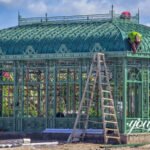
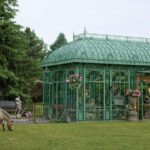
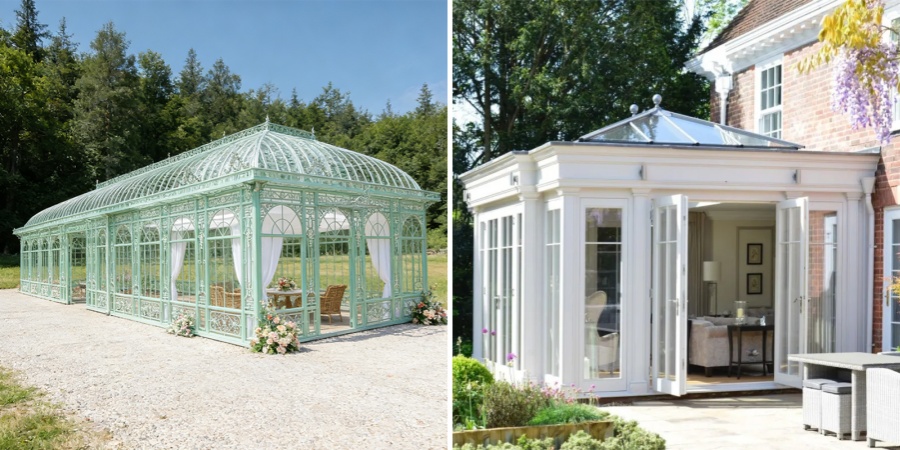
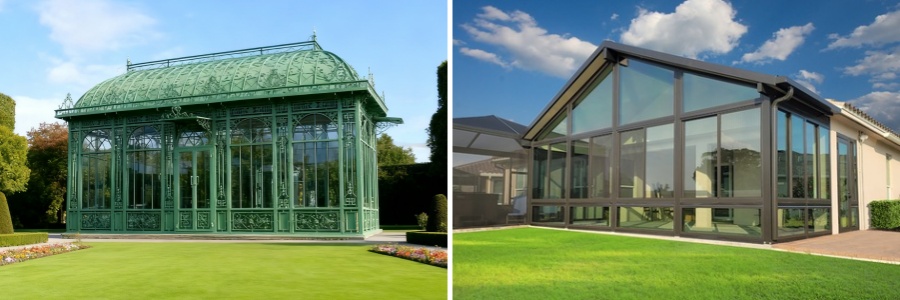
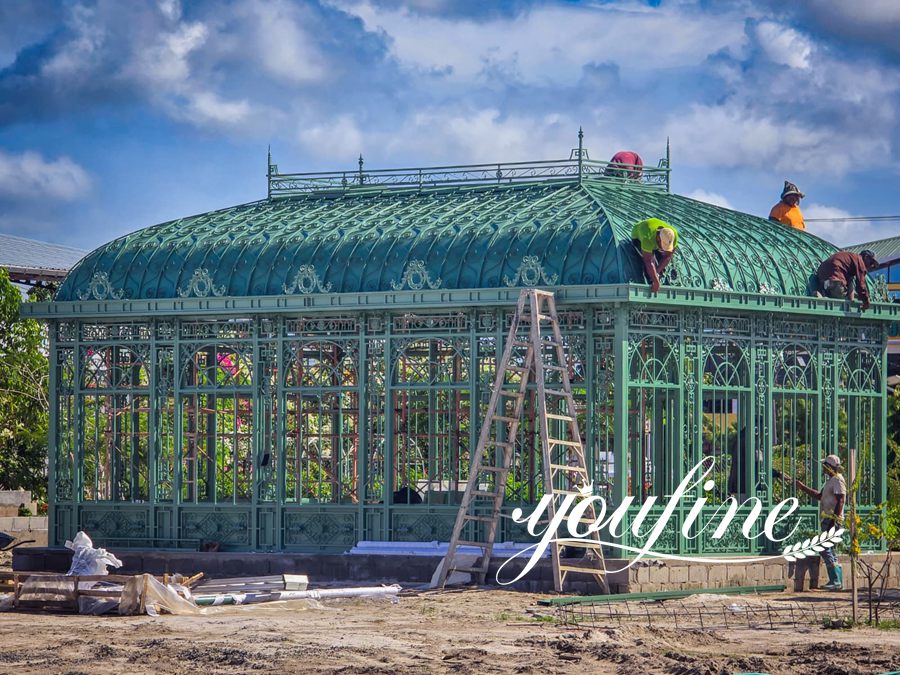
- Wrought Iron Greenhouse: Wrought iron greenhouses are built around engineered metal structures. They are typically Victorian-style or custom-designed, with dimensions, roof shapes, and reinforcement calculated according to the specific project requirements. This type of greenhouse is often treated as a permanent architectural structure rather than a temporary garden product. For examples of how these structures are used in real projects, see Wrought Iron Greenhouse Uses.
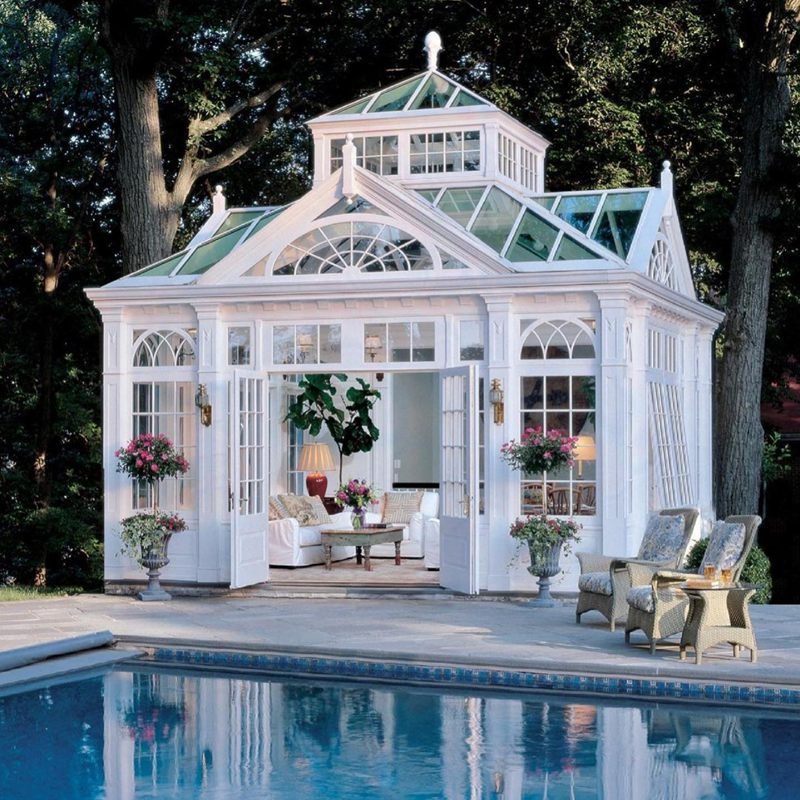
- Aluminum Conservatory: Aluminum conservatories are usually based on standardized profile systems. They are lightweight, modular, and designed for efficient production and installation. Most aluminum sunrooms focus on residential use and modern aesthetics, with limited structural customization. Furthermore, the installation requires a certain level of professional expertise.
At this stage, neither option is “better”—they simply serve different purposes.
Structural Strength & Durability|Which Is Better for Long-Term Use?
Structural performance is one of the most important differences between wrought iron and aluminum.
Aluminum conservatories are well suited for mild climates and small to medium-sized structures. Their lightweight nature allows for fast installation but also limits span, height, and load-bearing capacity.
Wrought iron greenhouses, on the other hand, are designed with structural strength as a priority. They can accommodate larger spans, higher roofs, and additional reinforcement to handle strong winds, heavy snow loads, and long-term outdoor exposure. This is why they are often chosen for estates, hotels, botanical gardens, and other permanent projects.
Lifespan & Maintenance|What Will They Look Like in 20 Years?
Short-term appearance can be misleading; long-term performance is what truly matters.
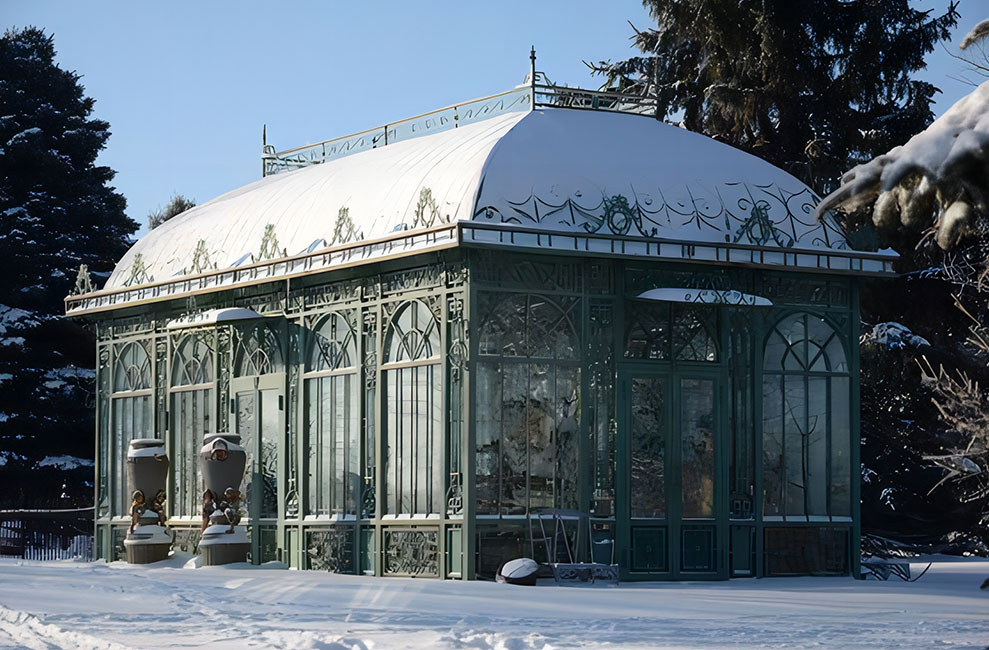
Aluminum conservatories generally require minimal maintenance and offer good corrosion resistance. However, over time, lightweight structures may face limitations in rigidity and overall aging performance, especially in demanding environments.
High-quality wrought iron greenhouses are typically treated with advanced anti-corrosion processes, such as hot-dip galvanizing and durable surface coatings. When properly manufactured and installed, they are designed to last for decades, maintaining both structural integrity and visual appeal.
Design & Aesthetics|Does It Match Your Architecture?
Design is not only about style—it is about harmony with the surrounding architecture.
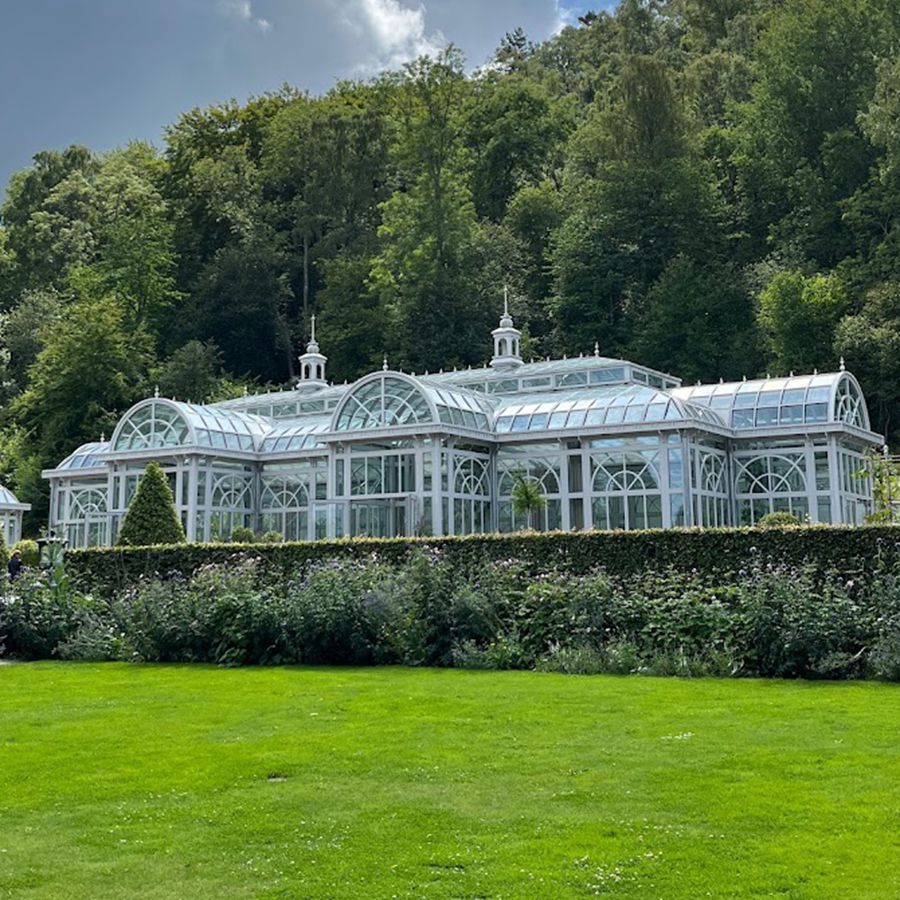
Aluminum conservatories are known for clean lines and modern aesthetics, making them a good match for contemporary homes and minimalist designs.
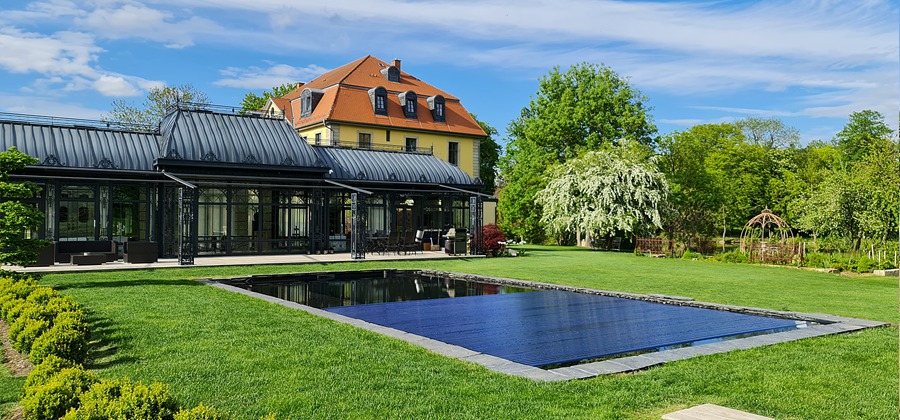
Wrought iron greenhouses offer greater flexibility in proportions, roof forms, and detailing. Their timeless character allows them to blend naturally with villas, classical architecture, historic buildings, and luxury properties, becoming an extension of the architecture rather than a standalone addition.
Cost Comparison|Why Price Is More Than “Cost per Square Meter”
Cost comparisons often focus on initial pricing, but this approach can be misleading.
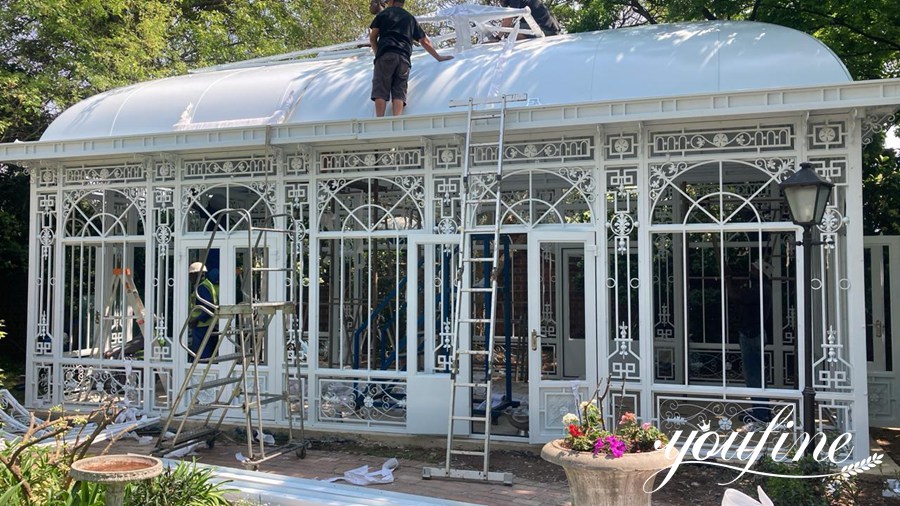
Aluminum conservatories usually have a lower upfront cost, thanks to standardized systems and faster installation. They are often selected for budget-conscious or short- to mid-term projects.
Wrought iron greenhouses typically require a higher initial investment due to custom engineering, stronger materials, and more complex fabrication. However, for long-term or high-end projects, many clients consider them a better overall value, as they reduce replacement risk and align with permanent property planning.
Best Use Scenarios|Which Option Is Right for You?
Choose an Aluminum Conservatory If:
You prefer a modern, minimalist sunroom
Your project is residential and moderate in size
Climate conditions are mild
Budget efficiency is a key priority
Choose a Wrought Iron Greenhouse If:
Your project requires custom dimensions or complex structure
Wind or snow loads are a concern
Architectural integration matters
You are planning a long-term or high-end investment
Why Many Clients Choose Wrought Iron for High-End Projects
High-end projects often involve more than appearance. They require clear structural calculations, detailed drawings, and reliable installation guidance.
For this reason, many architects, developers, and property owners prefer engineered wrought iron structures. These projects demand solutions that can be tailored precisely to site conditions, regulations, and long-term use expectations—areas where custom iron greenhouses naturally excel.
Conclusion|There Is No Absolute Best—Only the Best Fit
Choosing between a wrought iron greenhouse and an aluminum conservatory is not about right or wrong. It is about understanding your priorities.
Aluminum offers efficiency, simplicity, and modern appeal. Wrought iron offers strength, customization, and long-term architectural value.
The best choice is the one that aligns with your climate, design goals, and how you plan to use the structure over time.
FAQ
1. What is the difference between a greenhouse, a conservatory, and a sunroom?
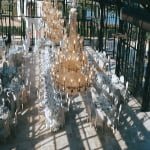
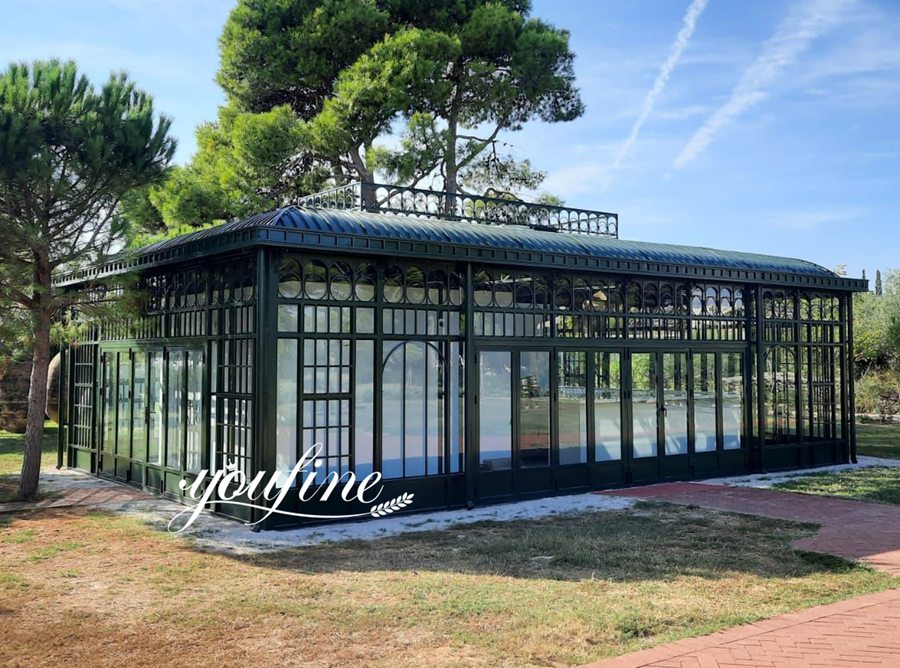
A greenhouse, a conservatory, and a sunroom may look similar because they all let in abundant natural light, but they serve different purposes. Victorian greenhouses are primarily used for decoration in castles and private gardens. Conservatories are typically used for hosting large events such as weddings. Sunrooms, on the other hand, are usually designed as elegant, light-filled spaces for relaxation and entertainment, or for displaying plants in a more architecturally appealing setting, and can be used year-round.
Learn more about the differences between greenhouse, conservatory, and sunroom here.
2. Is a wrought iron greenhouse stronger than an aluminum conservatory?
Yes, wrought iron structures generally offer higher load-bearing capacity and better performance in challenging climates.
3. What are the most popular types of iron conservatories?
Iron conservatories come in a variety of styles to suit different architectural designs and purposes. Some common types include:
Victorian-style conservatories, Edwardian-style conservatories, Gable-style conservatories, Lean-to conservatories…
Each type balances aesthetic appeal, structural design, and intended use. For more details and visual examples, check out Different Popular Types of Iron Conservatory
4. Are aluminum conservatories suitable for snow or strong wind areas?
They can be suitable for mild conditions, but heavy snow or wind often requires stronger structural solutions.
5. How do iron conservatories withstand snow, wind, and storms?
High-quality iron conservatories are engineered to handle challenging weather conditions. Their structural framework is carefully calculated to distribute loads evenly, and reinforcement can be added at critical points like roof trusses and door frames. Protective finishes, such as hot-dip galvanizing, ensure long-term resistance to corrosion. Together, these design choices allow iron conservatories to maintain stability and safety even under heavy snow, strong winds, or storms.
For a more detailed explanation and case examples, see How Iron Conservatory Withstand Snow, Winds, and Storms.
6. Why are wrought iron greenhouses more expensive?
The cost reflects custom engineering, stronger materials, and longer service life.
7. Which option is better for a luxury or commercial project?
Wrought iron greenhouses are more commonly chosen for high-end residential and commercial applications due to their durability and design flexibility.