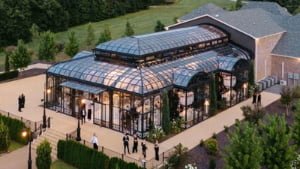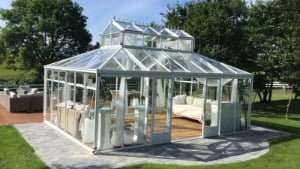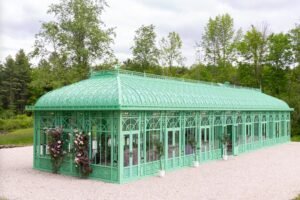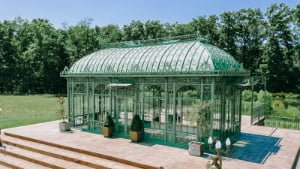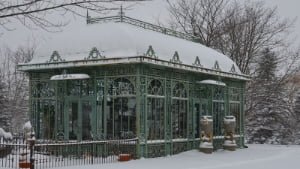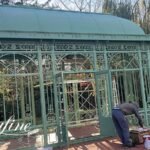
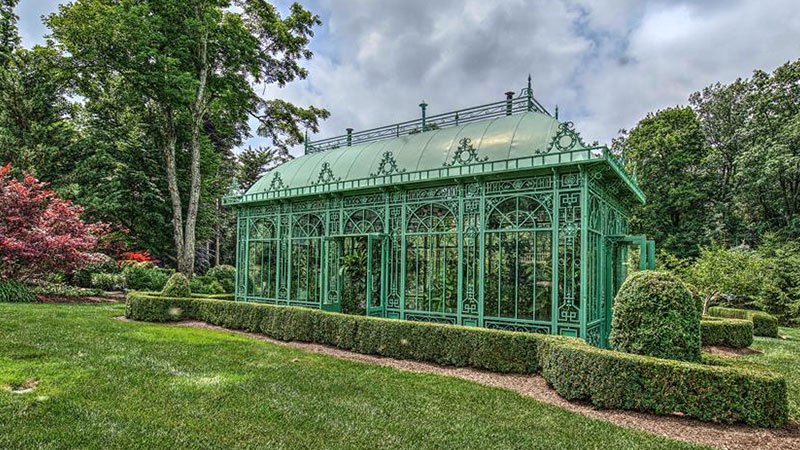
Over the years, I’ve worked with many clients who dream of owning a custom iron greenhouse that perfectly matches their garden, wedding or other venue. They often come to me with beautiful ideas — elegant iron frames, sun-filled glass panels, a peaceful space to relax or grow plants — but at the same time, they feel overwhelmed.
Some don’t know where to start. Others have too many ideas but struggle to organize them into a clear plan. Questions about size, design, materials, and budget quickly become confusing, and small details are often overlooked until it’s too late.
A custom greenhouse is not just a product — it’s a long-term investment and a part of your living space. That’s why asking the right questions at the beginning can save you time, money, and unnecessary stress later on.
In this article, I’ll walk you through the most important questions you should ask before buying a custom greenhouse, so you can move forward with clarity and confidence.
1. Do I Need a Permit for My Greenhouse?
One of the first things I always remind my clients to check is whether a permit is required.
In many cases, a greenhouse — especially a permanent structure made of iron and glass — may fall under local building regulations. This is quite common in regions such as the United States, the United Kingdom, Canada, and parts of Australia, where factors like size, height, and foundation type can determine whether approval is needed.
I’ve seen projects delayed simply because this step was overlooked. To avoid unnecessary setbacks, it’s always a good idea to check with your local authority early in the planning stage.
Since permit requirements can vary significantly from one location to another, I’ll be covering this topic in more detail in a separate guide to help you better understand what applies to your area.
2. What Will I Use the Greenhouse For?
Before we even start designing, I always ask my clients a simple question: What do you really want this greenhouse for?
The answer shapes everything.
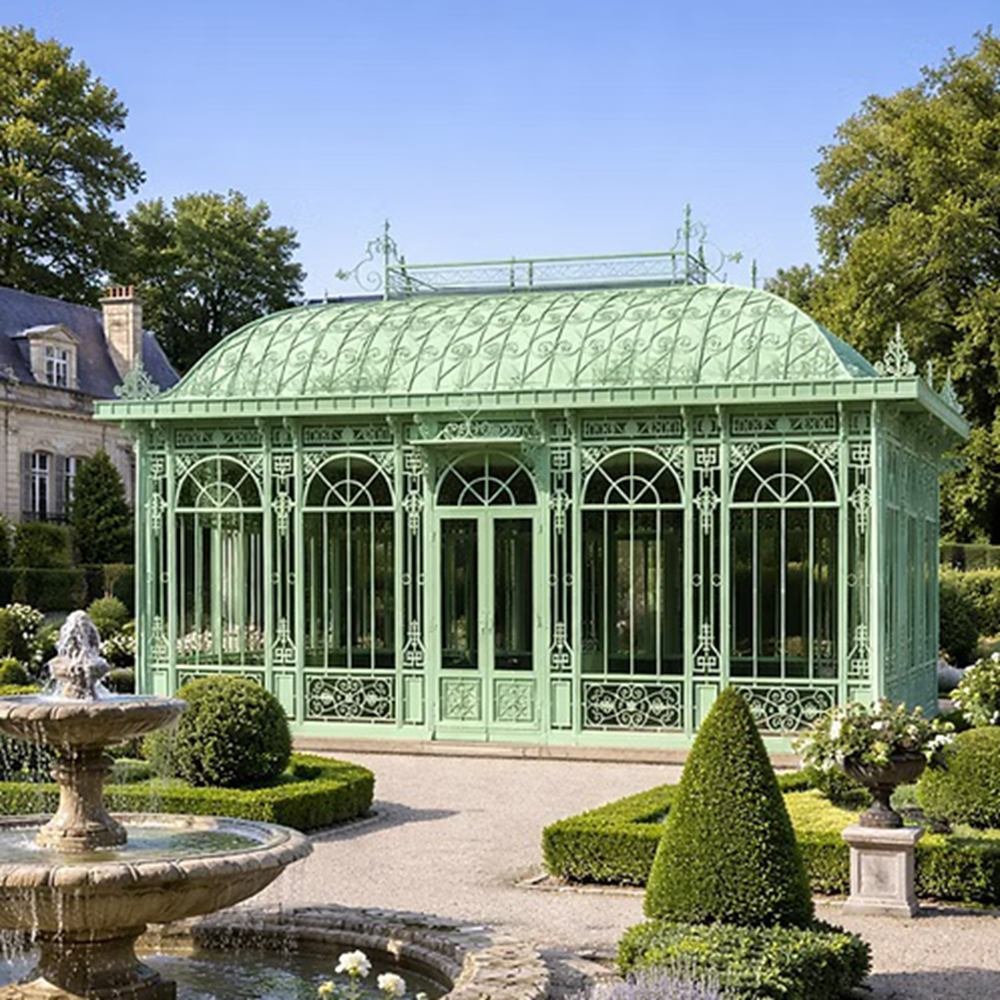
Some clients want a space for growing flowers and vegetables. Others are looking for a relaxing sunroom where they can enjoy natural light all year round. And some need a greenhouse for commercial display or events.
Each purpose requires a different approach in terms of structure, ventilation, insulation, and layout. Being clear about your primary use helps avoid costly design changes later.
3. What Size and Location Are Right for Me?
This is one of the most common areas where clients feel uncertain.
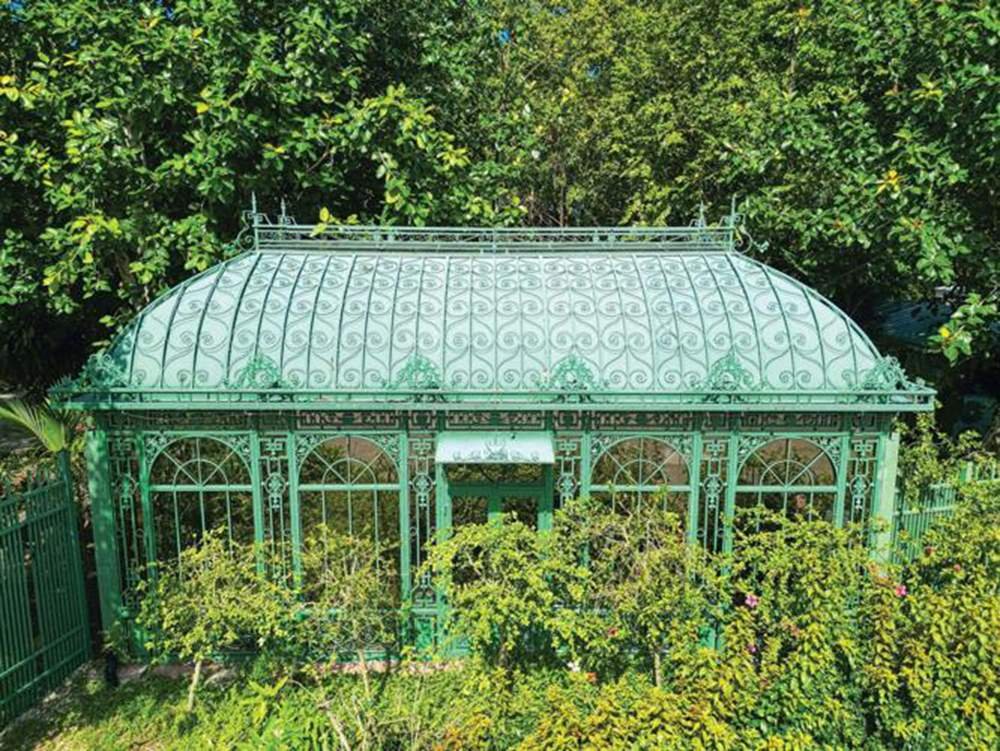
Many people initially choose a smaller size to control budget, but later regret not going bigger. From my experience, if space allows, it’s always better to plan slightly larger than your current needs.
Location is equally important. I always advise considering:
- Sun exposure throughout the day
- Ground conditions (flat or sloped)
- Wind direction and strength
A well-positioned greenhouse will perform better and feel more comfortable to use.
4. What Style and Color Fit My Property?
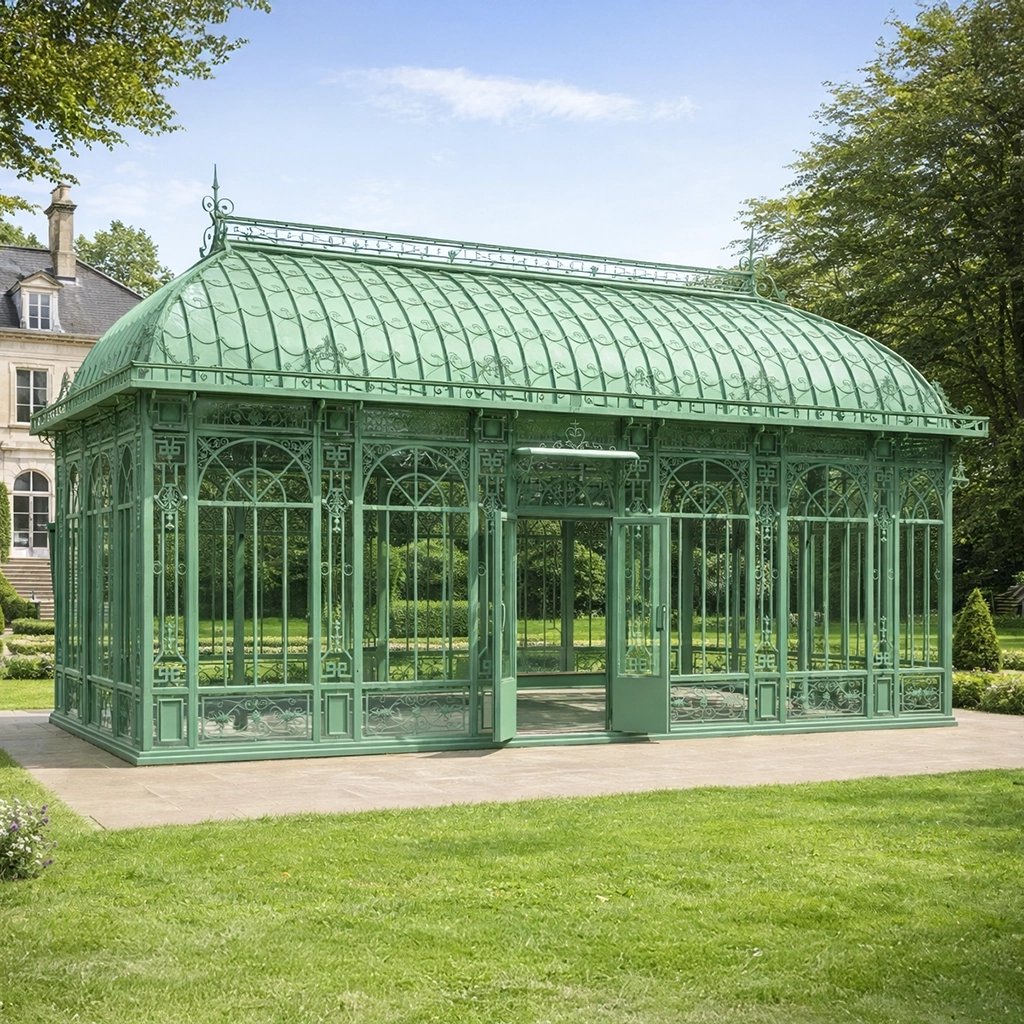
A custom greenhouse should not feel like an isolated structure — it should blend beautifully with your home.
I often work with clients who want styles such as:
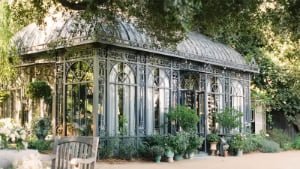
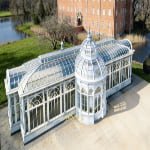
- Classic Victorian elegance
- Clean and modern minimalism
- Traditional garden aesthetics
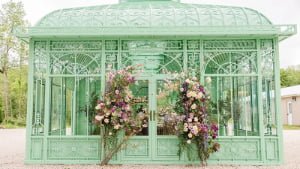
Color also plays a big role. Black is timeless and luxurious, white feels light and elegant, while custom colors can help match existing architecture perfectly.
When the design is done right, the greenhouse becomes a natural extension of the property.
5. What Materials and Craftsmanship Should I Choose?
This is where quality truly makes a difference.
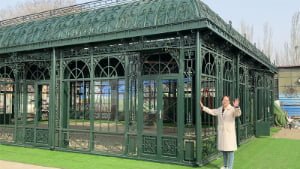
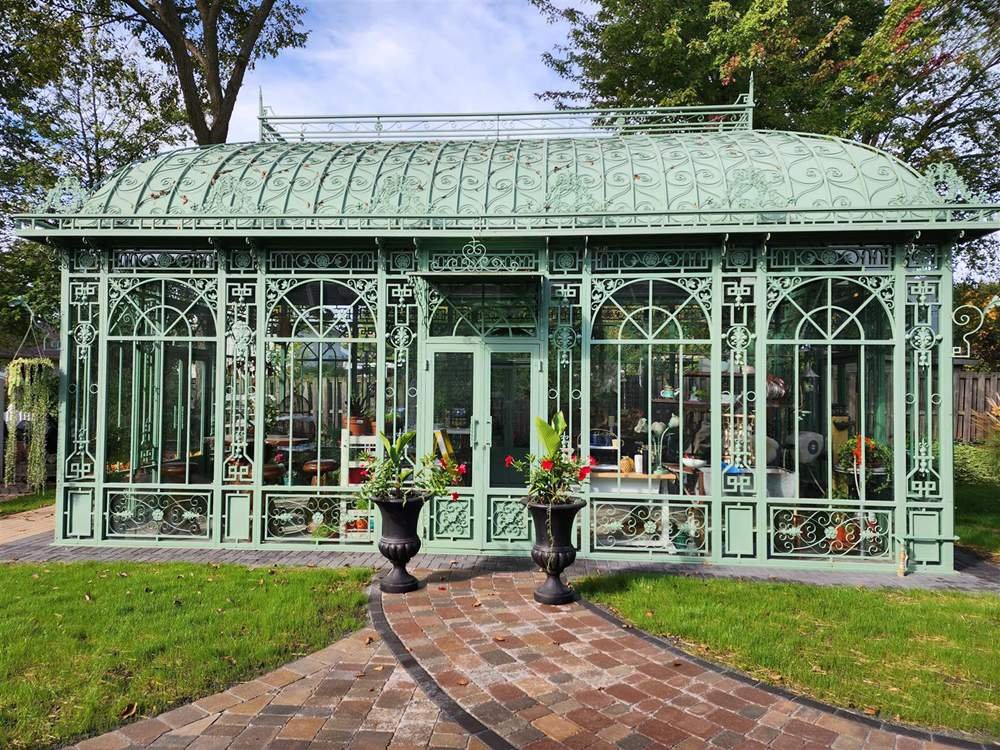
For high-end custom greenhouses, I usually recommend wrought iron due to its strength, durability, and classic appearance. Compared to lighter materials like aluminum, it offers a more solid structure and a premium look.
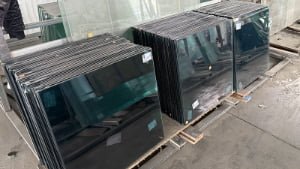
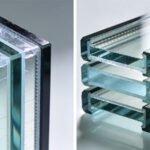
Glass selection is equally important. Options like tempered glass, laminated glass, or double glazing each offer different levels of safety and insulation.
Beyond materials, craftsmanship matters just as much. Details like welding quality, surface treatment, galvanization, and powder coating all determine how well the greenhouse will perform over time.
6. How Should Doors, Windows, and Ventilation Be Designed?
A greenhouse is not just about appearance — functionality is key.
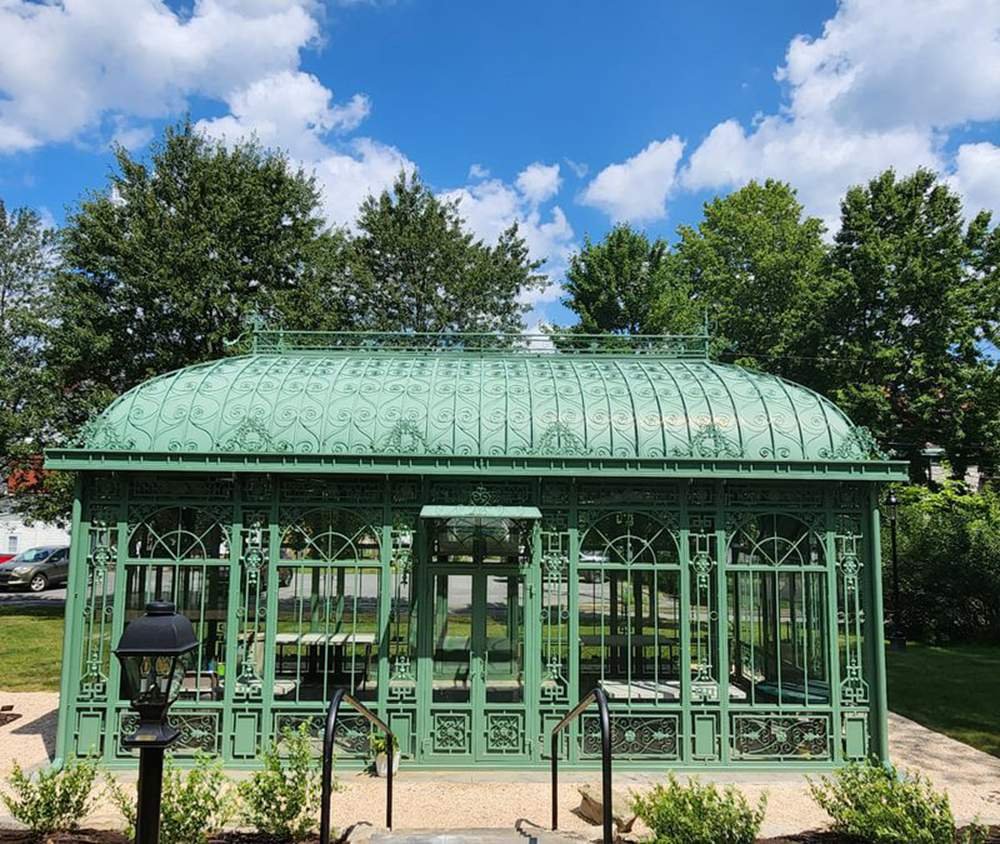
I always pay close attention to how doors and windows are designed. Whether it’s single or double doors, roof vents, or side windows, each element affects airflow and usability.
Ventilation is especially critical. A good system — whether natural or automated — helps regulate temperature and keeps plants healthy.
Drainage is another detail that should never be ignored. Proper gutter systems ensure that rainwater is effectively managed, protecting both the structure and its surroundings.
7. What Is My Budget and What Does It Include?
Budget is often more complex than clients expect.
When planning a custom greenhouse, I always remind clients to consider not just the product itself, but also:
- Shipping costs
- Installation
- Foundation work
- Possible permit fees
There may also be long-term maintenance considerations.
A practical tip I often give is to reserve an additional 10–20% of your budget for unexpected expenses. This helps keep the project smooth and stress-free.
8. Should I Choose a Standard Model or a Fully Custom Design?
This is a question many clients ask me early on.
Standard models can be quicker and more affordable, but they often come with limitations in size, design, and compatibility with your space.
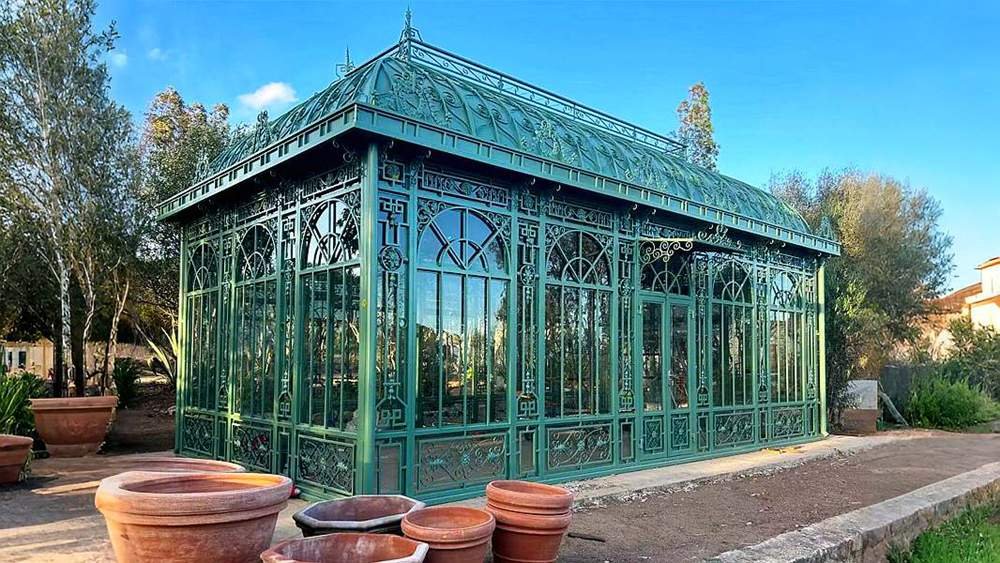
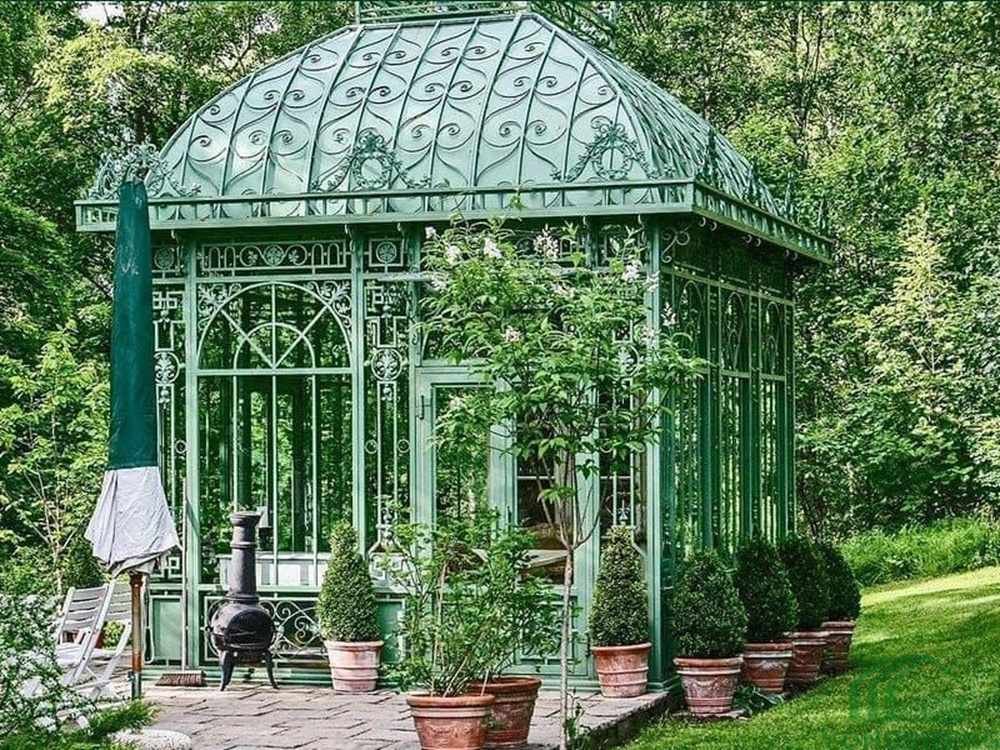
A fully custom greenhouse, on the other hand, is designed specifically for your property. It maximizes both aesthetics and functionality, ensuring the final result truly fits your environment.
For clients who value uniqueness and long-term satisfaction, custom is usually the better choice.
9. Who Is the Right Manufacturer or Supplier?
Finally, choosing the right partner is just as important as the design itself.
I always suggest looking for a manufacturer with:
- Proven project experience
- Strong customization capabilities
- Clear communication and support
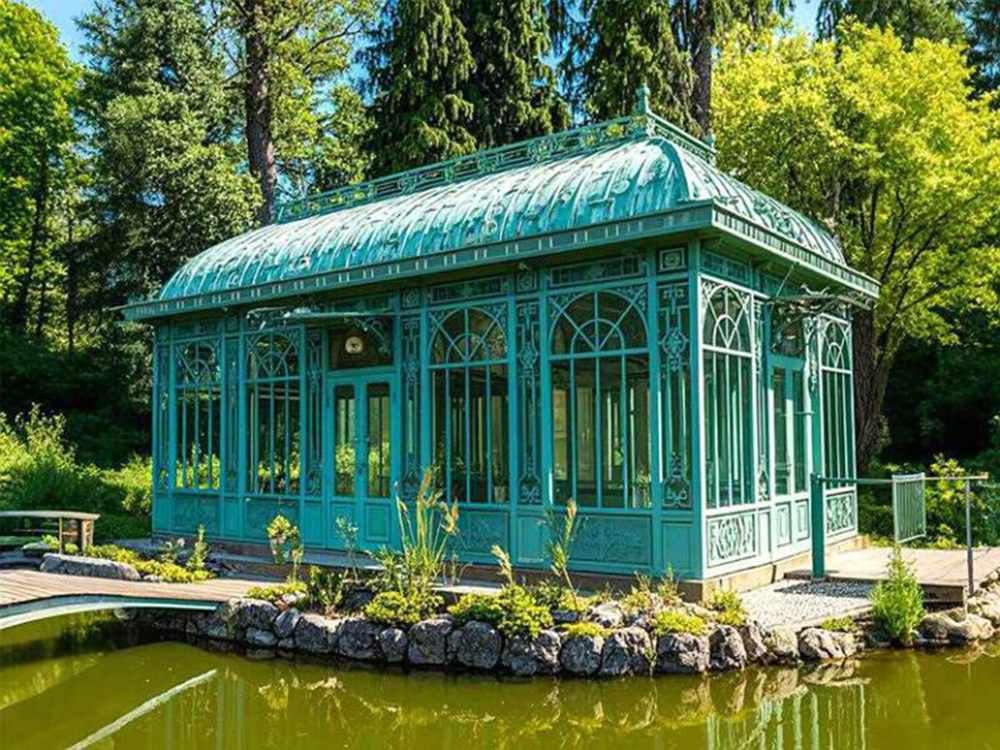
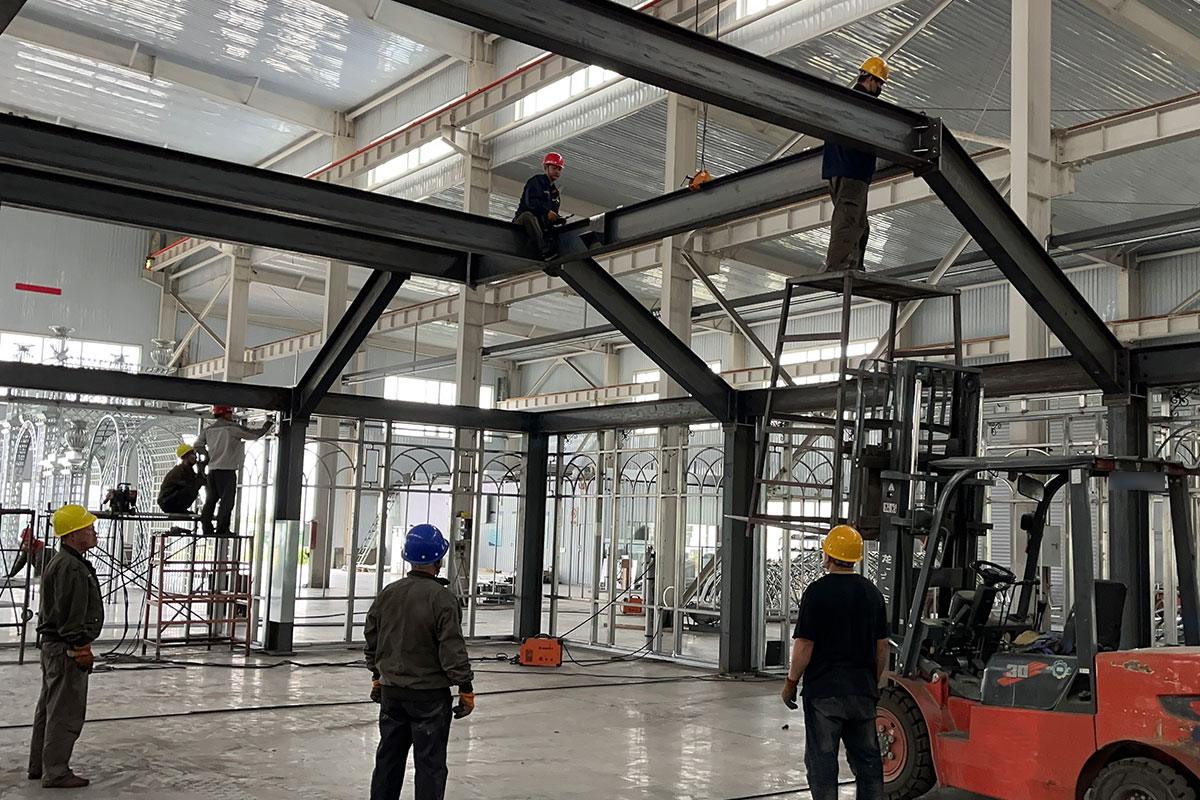
Working directly with a factory, rather than a middleman, often ensures better control over quality, pricing, and production.
Conclusion
After going through all these questions, you might feel that there’s a lot to consider — and you’re absolutely right.
Designing a custom greenhouse involves many details, from permits and layout to materials and budget. It’s completely normal to feel unsure or even overwhelmed at the beginning.
But the good news is, you don’t have to figure everything out on your own.
At YouFine, my team and I work closely with our clients to turn ideas into clear, practical, and beautiful designs. Based on your specific needs, site conditions, and preferences, we provide a professional one-stop custom solution — from design and material selection to production and delivery.
If you already have an idea in mind, or even just a rough concept, feel free to reach out. We’re here to help you bring your perfect greenhouse to life.