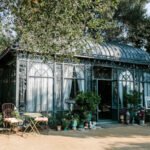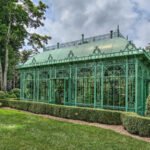
When considering a wrought iron greenhouse, many buyers quickly notice that a greenhouse comes with a higher upfront cost compared to aluminum or lightweight steel alternatives. This naturally raises an important question: is a wrought iron greenhouse really worth the investment?
The answer depends on how the greenhouse is viewed. If it is treated as a short-term gardening product, the price may seem high. However, when evaluated as a long-term architectural structure—one that offers durability, safety, customization, and lasting aesthetic value—the investment begins to make much more sense.
This blog explores the true value behind a wrought iron greenhouse, helping you decide whether it is the right choice for your property and long-term goals.
What Makes an Iron Greenhouse Unique?
While many greenhouses may look similar at first glance, the real difference lies in how they are designed and how long they are expected to last.
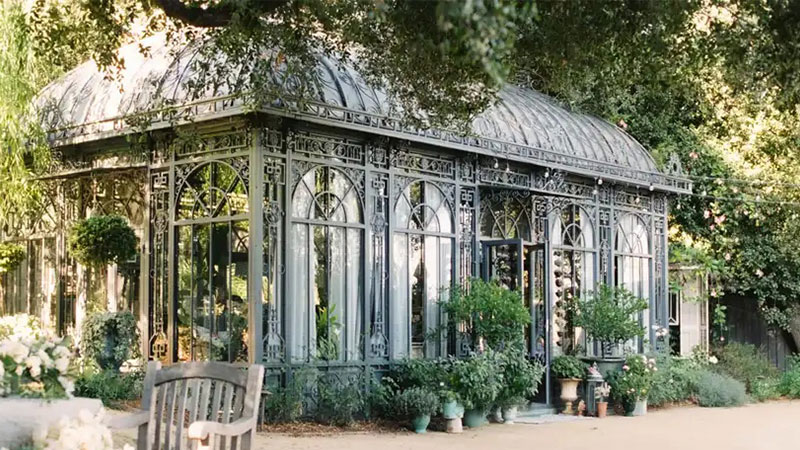
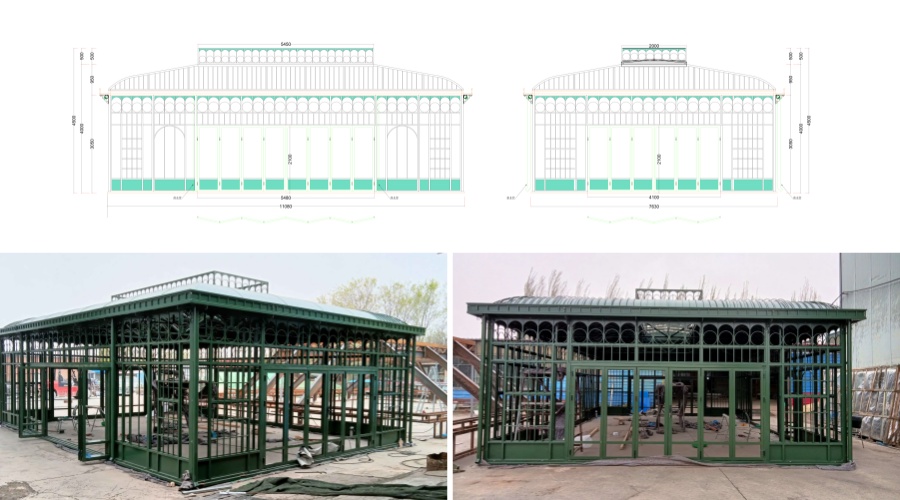
A wrought iron greenhouse is not an off-the-shelf garden product. It is typically treated as a permanent architectural structure, designed according to site conditions, climate, and long-term use. Key elements such as frame dimensions, roof geometry, and structural loads are calculated rather than standardized.
Engineered Design vs. Standard Systems
Unlike aluminum conservatories built from modular components, wrought iron greenhouses are engineered on a project-by-project basis. Wind load, snow load, and structural stability are addressed during the design stage, ensuring reliable performance over decades.
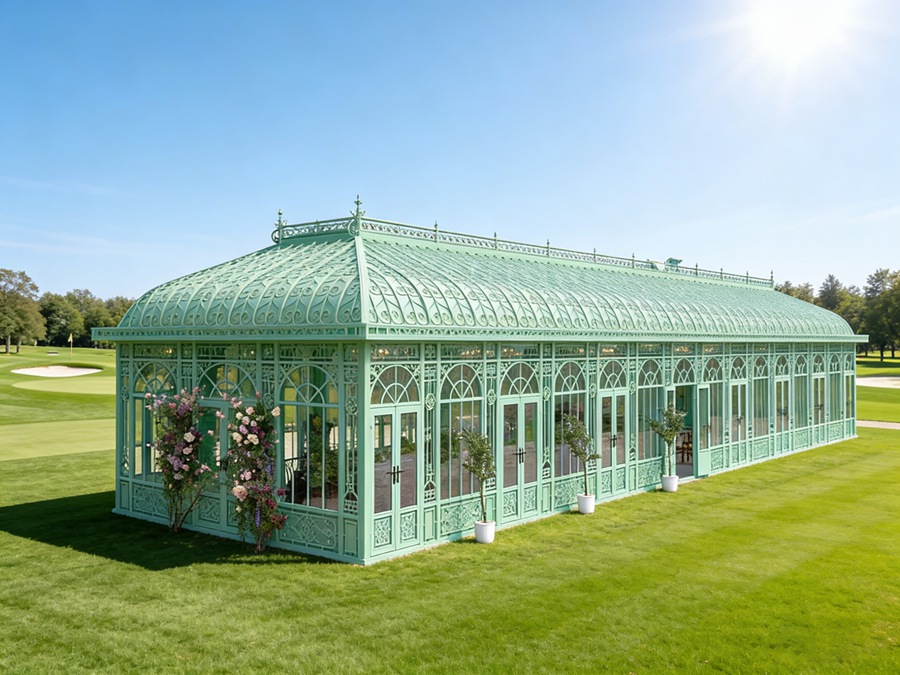
Structural & Material Comparison
| Aspect | Wrought Iron Greenhouse | Aluminum Conservatory |
| Design approach | Custom-engineered | Standard modular system |
| Structural calculation | Site-specific load analysis | Generic factory assumptions |
| Intended lifespan | 30–50+ years | 5–10 years |
| Frame rigidity | Very high | Moderate |
| Long-term deformation | Minimal | Possible |
| Structural role | Permanent structure | Lightweight garden system |
Strength That Matters Over Time
Wrought iron provides superior rigidity, allowing larger spans and more complex roof forms without compromising safety. Aluminum, while lightweight, offers lower structural stiffness and may deform under long-term stress, especially in exposed or large-scale installations.
For a detailed comparison between these two options, see: Wrought Iron Greenhouse VS Aluminum Conservatory: Which Is Best for You?
Initial Cost vs. Long-Term Value
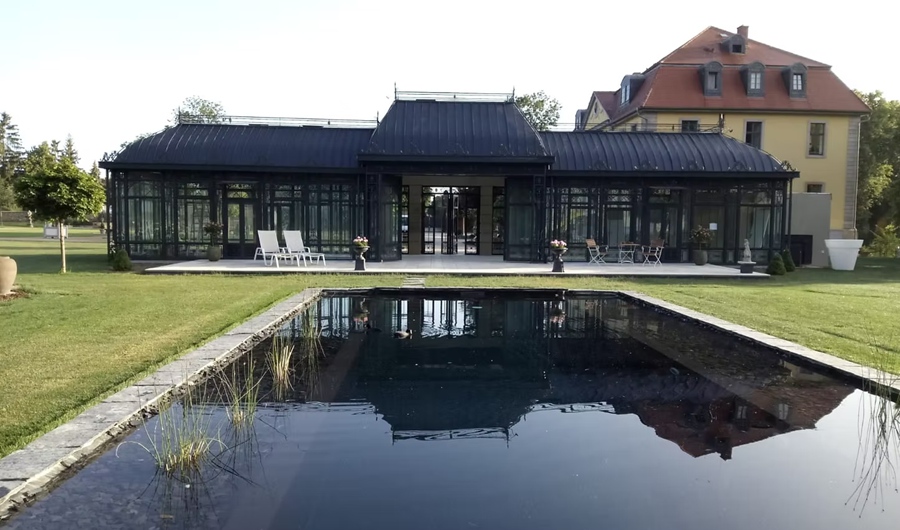
A wrought iron greenhouse typically requires a higher upfront investment than aluminum options. This difference reflects not just material cost, but custom engineering, structural calculations, and long-term durability.
Rather than focusing on initial price alone, it is more accurate to evaluate the investment across the full lifespan of the structure. Over decades of use, fewer repairs and a much longer service life significantly reduce overall ownership cost.
When viewed as a long-term asset rather than a short-term product, a wrought iron greenhouse often delivers better value over time, despite the higher initial cost.
| Cost Factor | Wrought Iron Greenhouse | Aluminum Greenhouse |
| Initial purchase cost | Higher | Lower |
| Maintenance frequency | Low | Medium |
| Structural upgrades over time | Rare | Possible |
| Replacement during ownership | Unlikely | Likely |
| Average cost per year | Lower (long term) | Higher (long term) |
Durability and Safety
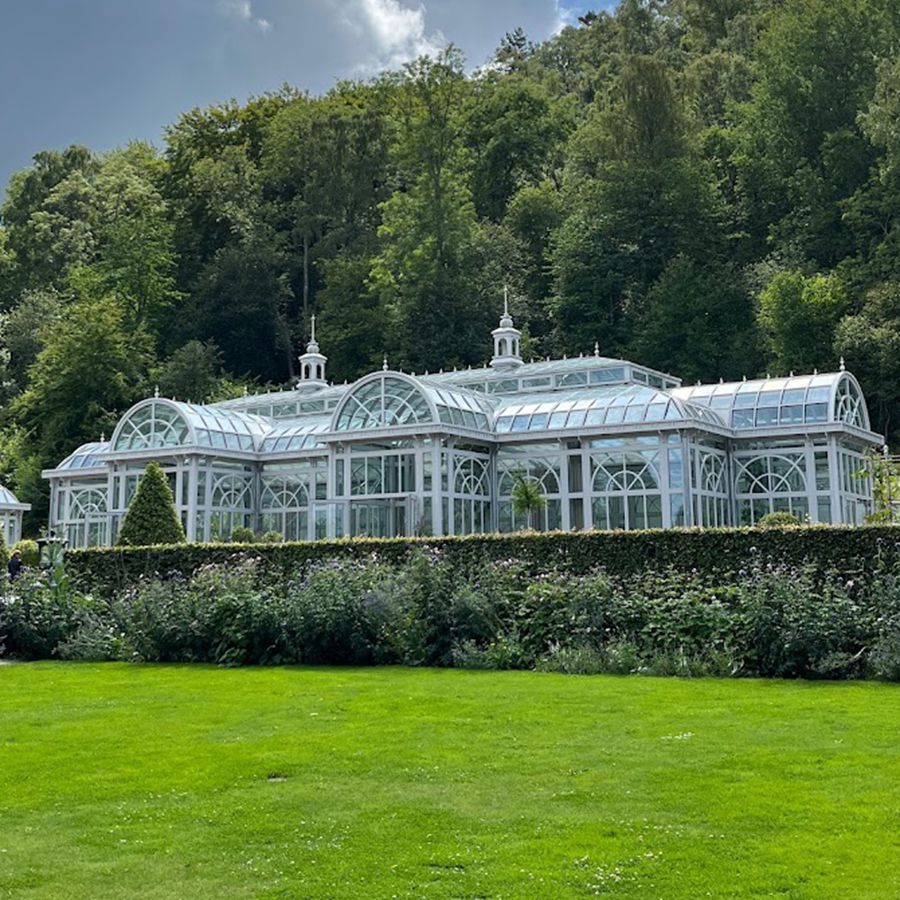
Durability and safety are among the strongest reasons to invest in a wrought iron greenhouse. These structures are designed to withstand demanding environmental conditions, including heavy snow, strong winds, and long-term weather exposure.
Structural reinforcements, stable door frames, and engineered roof systems all contribute to long-term reliability. In larger greenhouses, internal reinforcement may be added discreetly to maintain both safety and aesthetics.
For a deeper look at how these structures perform in extreme conditions, you can read more here: How Iron Conservatories Withstand Snow, Winds, and Storms
This level of engineering ensures that the greenhouse remains safe, functional, and visually intact year after year.
Aesthetic Value and Property Enhancement
Timeless Architectural Appeal
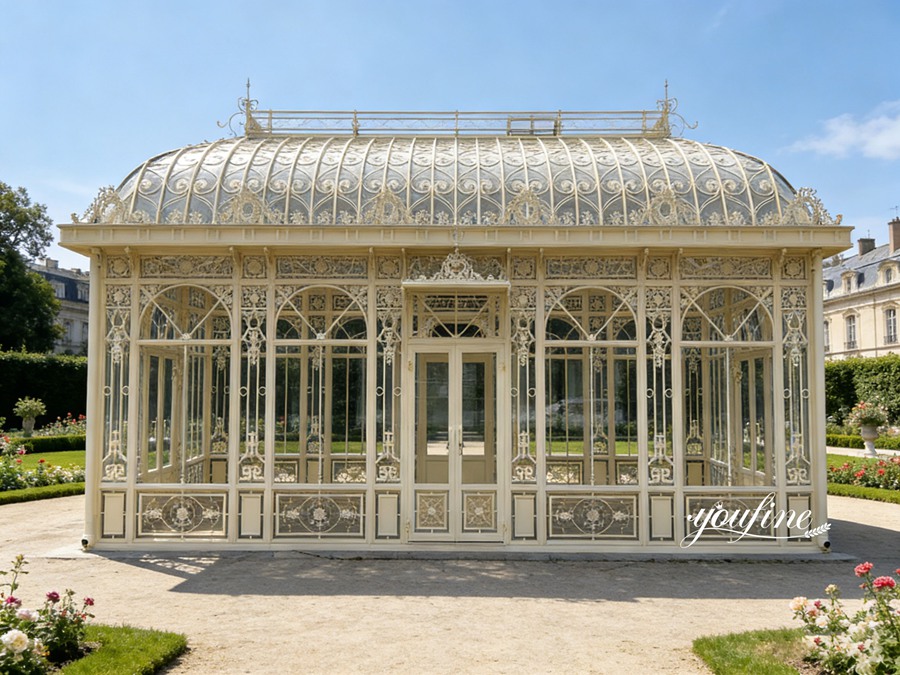
Wrought iron greenhouses are often inspired by classic European conservatories, particularly Victorian designs. Their elegant lines, balanced proportions, and handcrafted details give them a timeless quality that does not follow short-lived trends.
As a result, these structures tend to age gracefully and remain visually relevant for decades.
Increasing Property Value
Beyond aesthetics, a wrought iron greenhouse can enhance overall property value. It becomes a permanent feature that elevates the character of a garden or estate, rather than a removable accessory.
For high-end residential properties, hotels, or public spaces, this architectural presence can significantly improve both visual impact and perceived value.
Customization: Designed for the Space, Not the Other Way Around
Customization is not an optional feature in wrought iron greenhouses—it is central to their design philosophy.
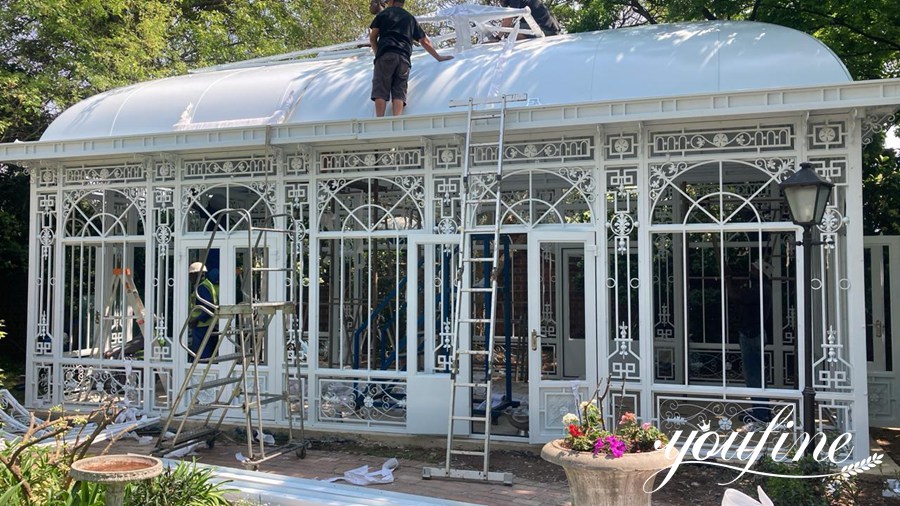
Each greenhouse is created to fit its specific site, taking into account dimensions, surrounding architecture, functional needs, and future use. This ensures seamless integration with existing buildings or landscapes.
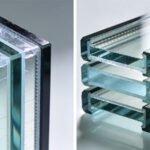
Functional considerations such as ventilation, drainage, glass selection, and access points are addressed during the design phase, resulting in a greenhouse that is comfortable, practical, and built for long-term use.
Rather than forcing the owner to adapt to a standardized product, the structure is designed to adapt perfectly to the space.
Who Is a Wrought Iron Greenhouse Best Suited For?
A wrought iron greenhouse is particularly well suited for:
- Long-term homeowners who value durability and permanence
- Owners of luxury residences or historic estates
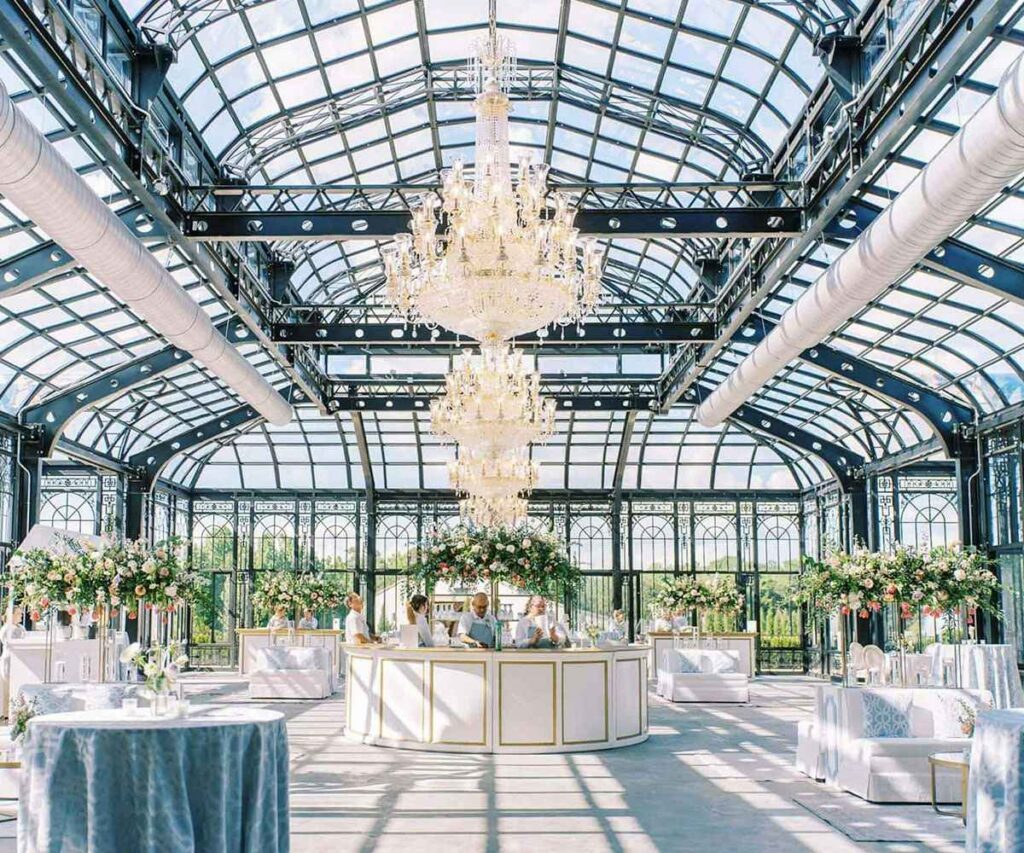
- Hotels, resorts, and public gardens seeking landmark structures
- Clients who prioritize engineering quality and architectural design
These greenhouses are commonly used in a variety of applications beyond plant cultivation. You can explore typical use cases here: Popular Uses of Wrought Iron Conservatories
They may not be ideal for temporary installations or for buyers seeking the lowest possible upfront cost.
Conclusion
So, is a wrought iron greenhouse worth the investment?
If your goal is short-term use or minimal expense, a lighter structure may be sufficient. However, if you are looking for a long-lasting, safe, and architecturally refined greenhouse that adds real value to your property, a wrought iron greenhouse is a sound and thoughtful investment.
Every successful project begins with proper planning. Discussing site conditions, climate requirements, and design expectations at an early stage ensures that the greenhouse delivers lasting value for decades to come.