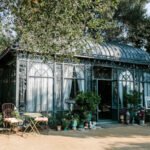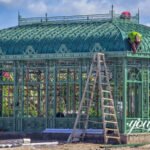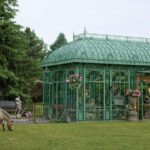
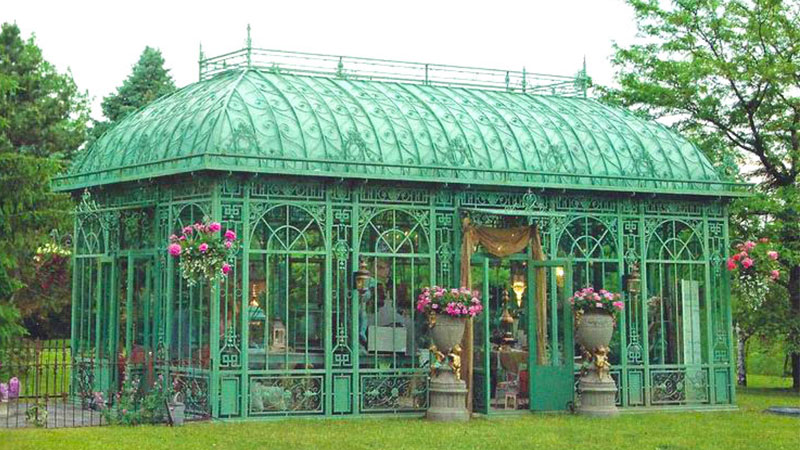
The wrought iron conservatory is one of the most enduring and captivating architectural structures to date—a perfect blend of elegant metalwork and expansive glass, seamlessly integrating nature, light, and a comfortable living experience. Originally developed as a refined form of greenhouse, the wrought iron greenhouse has long since transcended the realm of horticulture. Today, it can be a luxurious garden house, a sun-drenched retreat, a dining pavilion, or even a perfect venue for weddings and events.
Unlike traditional greenhouses or ordinary sunrooms, wrought iron conservatories are renowned for their robust metal frames, exquisite craftsmanship, and panoramic openness. Whether connected to a house or standing alone outside a garden, it bridges the gap between indoor living and the natural world.
In this guide, we will delve into the true essence of the wrought iron greenhouse—its history, design features, uses, and why it remains a favorite architectural choice for homeowners, designers, and landscape professionals worldwide.

What Exactly Is a Conservatory?
A conservatory is a glass-enclosed room designed to capture abundant natural light while offering panoramic views of the surrounding landscape. Traditionally, conservatories feature glass walls and a glass roof, creating a bright and airy environment that can be enjoyed year-round. While early conservatories were primarily used for growing exotic plants and protecting delicate species during winter, modern conservatories have evolved into multifunctional living spaces—garden rooms, dining areas, tea rooms, studios, or peaceful retreats connected seamlessly to the outdoors.
What sets a conservatory apart from a typical greenhouse or sunroom is its balance of function and elegance. A greenhouse focuses mainly on plant cultivation, while a sunroom may have limited glass coverage. A conservatory, however, offers both: the openness and warmth ideal for plants, and the stylish architectural presence suitable for daily living. Whether attached to a home or built as a freestanding garden structure, a conservatory enhances natural light, expands usable space, and adds timeless beauty to any property.
Brief History of Conservatory
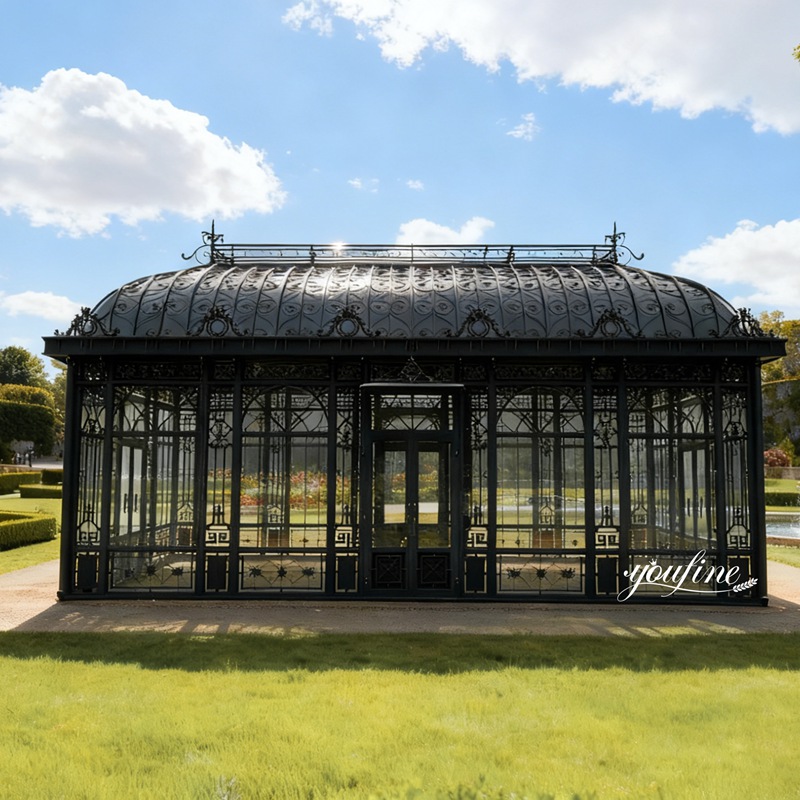
The history of conservatories stretches back to the 16th and 17th centuries, when European aristocrats built orangeries—solid-walled structures with large windows—to shelter citrus trees and exotic plants during the winter months. These early orangeries were symbols of wealth and refinement, blending horticulture with architectural prestige.
By the 19th century, the Industrial Revolution transformed conservatory design. Advances in iron production and sheet glass manufacturing made it possible to create large, transparent structures with intricate metalwork and expansive glazing. This period, especially during the Victorian era, marked the golden age of conservatories. Grand botanical conservatories, such as those found in Britain’s public gardens and private estates, became architectural masterpieces showcasing both engineering innovation and artistic craftsmanship.
As technology continued to progress, conservatories evolved from plant protection spaces into versatile living areas. Modern conservatories—built with advanced glazing, insulation, and durable metal frames—are designed not only for horticulture but also for everyday enjoyment. Today, whether attached to a home or standing independently in a garden, conservatories remain cherished architectural features that celebrate natural light, elegant design, and the timeless connection between people and the outdoors.
What Is an Iron Conservatory?
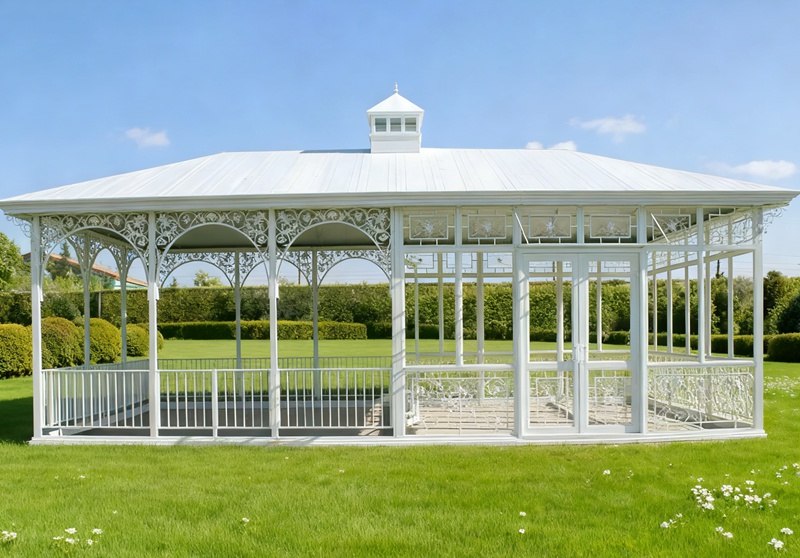
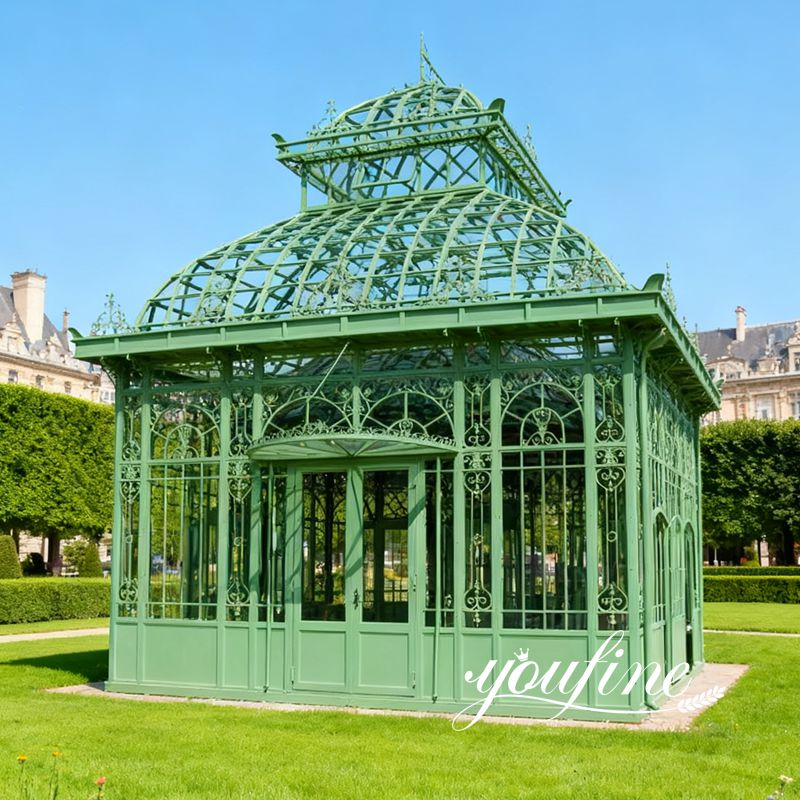
An iron conservatory is a glass-enclosed structure supported by a framework made of wrought iron, cast iron, or steel. While traditional conservatories were often built with timber frames, iron transformed their architectural possibilities—allowing for larger spans, more elaborate detailing, and the signature Victorian elegance we associate with conservatories today.
The defining feature of an iron conservatory is its combination of strength and artistry. The iron framework provides exceptional structural stability, making it possible to support expansive glass roofs, ornate arches, decorative scrollwork, and complex geometric patterns. At the same time, the transparency of the glazing creates a bright, open environment that blurs the line between indoors and outdoors.
Modern iron conservatories are designed not only for botanical purposes but also as luxurious living spaces. They can be attached to a home as a sunlit extension or built as freestanding garden pavilions. Depending on the architectural style—Victorian, Edwardian, modern minimalist, or custom design—an iron conservatory can serve as a tea room, dining space, art studio, reading lounge, greenhouse, or even an event venue.
Unlike lightweight aluminum or uPVC structures, an iron conservatory offers a timeless, high-end aesthetic; it combines durability with craftsmanship, making it a standout architectural feature that elevates both residential and commercial properties.
Types of Iron Conservatories
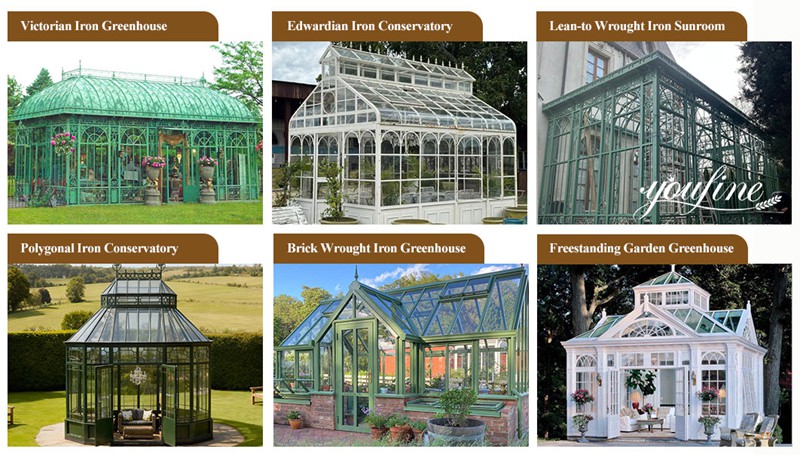
1. Victorian Iron Greenhouse
The Victorian greenhouse is the most iconic style, featuring steeply pitched roofs, ornate iron cresting, decorative finials, and intricate scrollwork. This style is ideal for garden estates, historic homes, and spaces where a romantic, highly ornamental aesthetic is desired.
2. Edwardian Iron Conservatory
Edwardian (or Georgian) conservatories offer a more balanced and symmetrical design. With a squared floor plan and gently pitched roof, they maximize interior space while maintaining a classic European look. This style is perfect for dining areas, studios, or sunlit home extensions.
3. Lean-to Iron Sunroom
Also called a “sunroom-style conservatory,” the lean-to features a single sloped roof attached directly to an existing wall. Its simplicity, modernity, and space efficiency make it ideal for homes with limited space or for clients seeking understated elegance with ample natural light.
4. Octagonal / Polygonal Iron Conservatory
Octagonal or multi-sided conservatories create a distinctive architectural feature. These designs are popular as garden pavilions, tea rooms, or event spaces, offering a bright, airy interior and elegant exterior.
5. Brick Iron Greenhouse
A brick iron greenhouse combines a brick base with an iron and glass framework above. The brick walls provide insulation, stability, and privacy. The iron and glass structure maintains the classic elegance and durability of an iron conservatory.
This hybrid style is perfect for colder climates and adds a traditional, timeless feel. Often used as a garden room, sunroom, or orangery, it blends warmth, strength, and visual appeal.
6. Freestanding Garden Greenhouse
Freestanding greenhouses act as independent garden pavilions, offering flexibility in placement and use. They are ideal for reading lounges, art studios, poolside enclosures, or outdoor event spaces.
7. Custom-Designed Iron Conservatory
Custom conservatories allow clients to combine Victorian ornamentation, Edwardian symmetry, and modern minimalism. Fully tailored designs can vary in size, shape, roof height, and even multi-room layouts, creating a unique architectural feature for any property.
If you’d like to learn more, you can read this blog post: Different Popular Types of Iron Conservatory
Key Features and Benefits of an Iron Conservatory
- Strong and Durable: Iron frames support large glass panels and intricate designs, lasting for decades with minimal maintenance.
- Abundant Natural Light: Extensive glazing creates bright, airy interiors and a seamless connection with the outdoors.
- Timeless Elegance: Classic Victorian, Edwardian, or custom designs make the conservatory a visual centerpiece.
- Versatile Use: Ideal for garden rooms, sunrooms, dining areas, studios, or wedding and other event spaces.
- Increases Property Value: Enhances both functionality and curb appeal, adding value to your home.
- Low Maintenance: Iron resists corrosion, and modern glazing options improve insulation and energy efficiency.
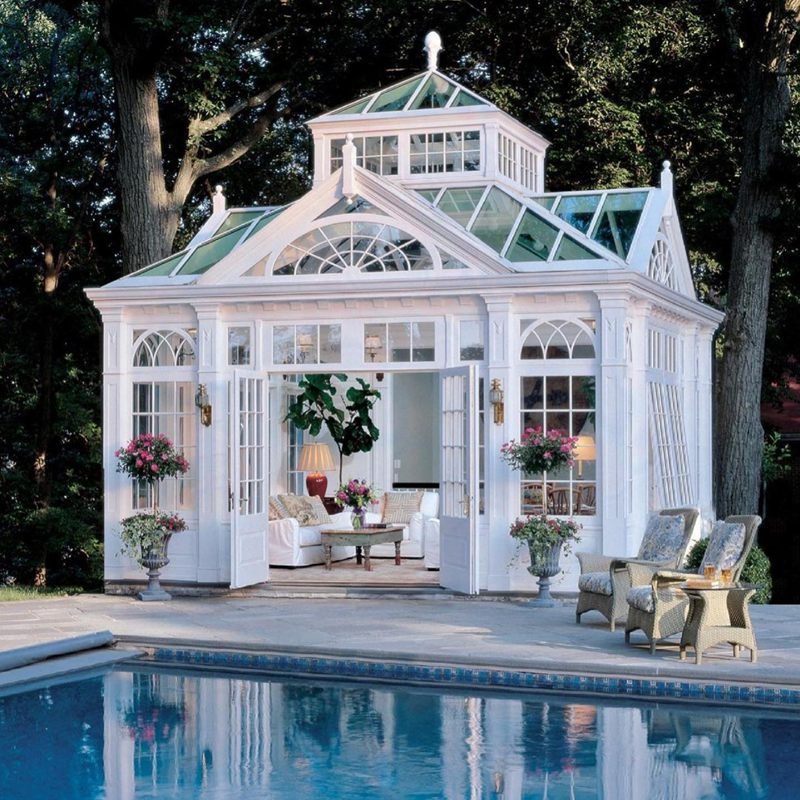
Typical Uses of an Iron Conservatory
- Event or Wedding Space: Elegant and versatile, ideal for private parties, weddings, or corporate gatherings.
- Garden Room / Sunroom: A bright, airy space for relaxing, reading, or enjoying the garden year-round.
- Dining or Lounge Area: Perfect for meals, tea, or entertaining guests in a sunlit setting.
- Art Studio or Home Office: Abundant natural light creates an inspiring environment for creativity or work.
- Poolside or Freestanding Gazebo: Can serve as a luxurious pool enclosure or standalone garden sunroom.
- Plant and Horticulture Space: Provides the ideal conditions for growing flowers, tropical plants, or delicate species.
- If you’d like to learn more, you can read this blog post: Popular Uses of Wrought Iron Conservatories
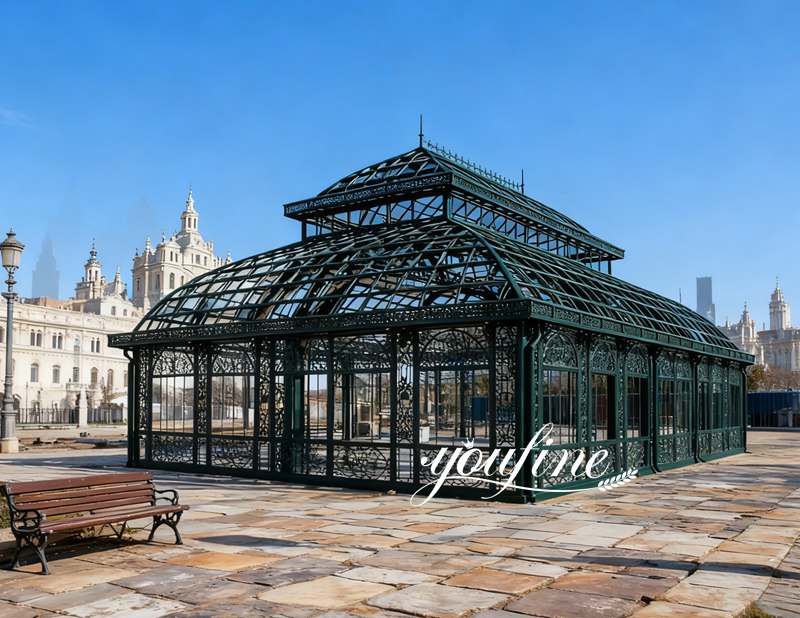
Design Considerations for Iron Conservatories
- Materials: Choose wrought iron combined with high-quality glazing for strength, durability, and elegance.
- Glass Options: Double glazing, Low-E glass, or laminated safety glass improve insulation, UV protection, and energy efficiency.
- Structure and Roof Design: Select roof type (pitched, gable, lantern, or lean-to) and framework layout to maximize space, light, and aesthetics.
- Ventilation and Climate Control: Ensure proper airflow, shading, and heating options for year-round comfort.
- Integration with Existing Architecture: Coordinate size, style, and materials with the main building or garden design for a seamless appearance.
- Customization: Consider custom shapes, multi-room layouts, ceiling height, and ornamental detailing to match your lifestyle and property needs.
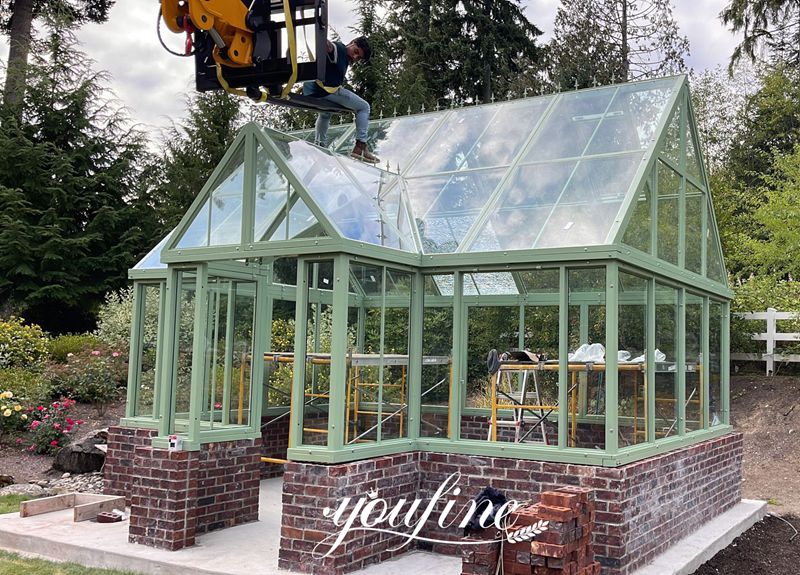
Maintenance and Considerations
- Glass Cleaning: Regular cleaning keeps the conservatory bright and preserves clarity.
- Iron Frame Care: Inspect for corrosion; touch up paint or protective coating as needed.
- Temperature Control: Plan for ventilation, shading, or heating to maintain comfort year-round.
- Seasonal Maintenance: Check gutters, drains, and roof seals to prevent water buildup and leaks.
- Budget and Long-Term Planning: Consider initial construction costs, glazing options, and ongoing maintenance for a lasting investment.
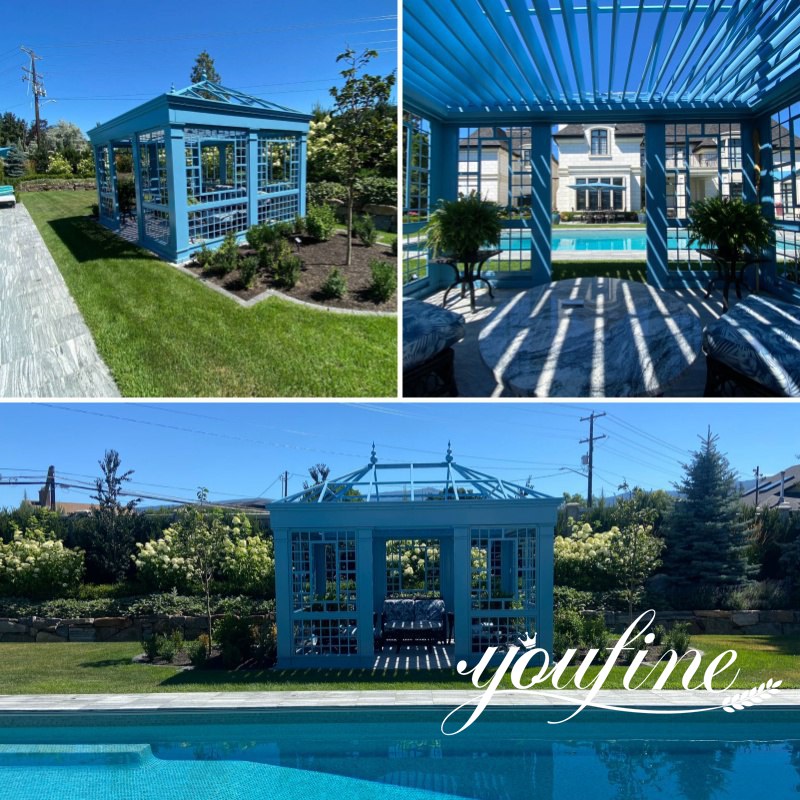
Why Choose YouFine Iron Greenhouse
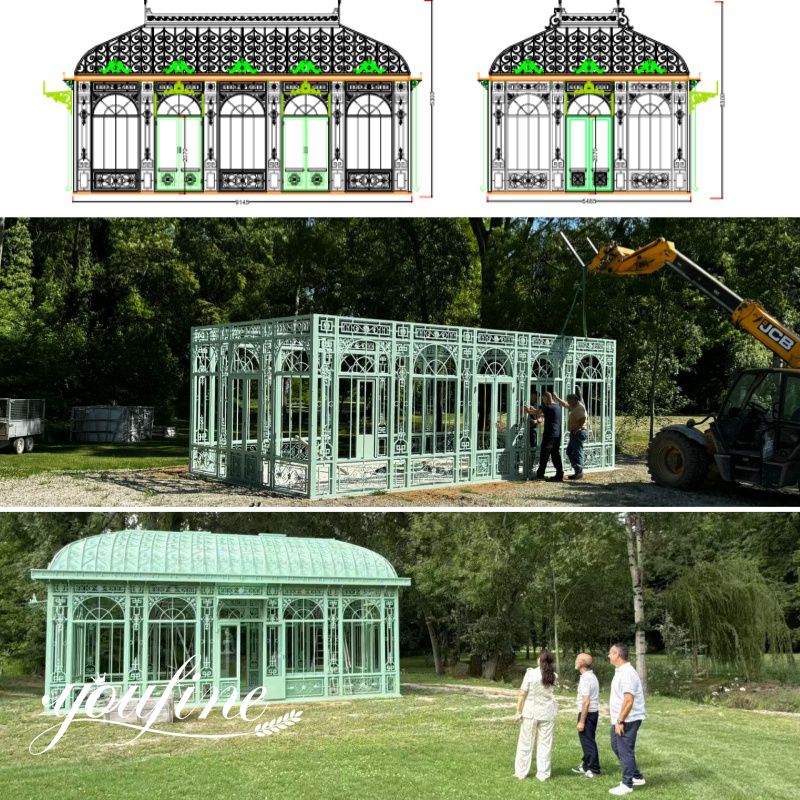
Choosing the right iron conservatory or greenhouse is essential for both aesthetics and durability. YouFine offers professional, factory-direct solutions that combine craftsmanship, customization, and global experience.
- Custom Designs: We provide tailored designs, including CAD drawings and layout plans, to match your space, style, and functional needs.
- High-Quality Materials: Our iron structures are crafted from durable wrought iron or cast iron and combined with premium glazing options for strength, elegance, and longevity.
- Engineering & Approval Support: We provide technical support for project approval, including calculations for wind load, live load, and structural stability, ensuring compliance with local regulations.
- One-Stop Service: From design and production to shipping and installation guidance, YouFine offers a complete solution for both residential and commercial projects.
- Global Expertise: With decades of experience, we’ve supplied iron greenhouses and conservatories worldwide, including wedding venues, gardens, pools, and commercial spaces.
- Cost-Effective Factory Pricing: By manufacturing directly in YouFine factory, we offer competitive pricing without compromising on quality or design.
Conclusion
From Victorian charm to modern custom designs, it brings natural light, aesthetic appeal, and versatile living space to any property.
Whether you are looking to create a sunlit garden room, a stylish lounge, a poolside gazebo, or a commercial event space, an iron conservatory by YouFine delivers lasting beauty, functionality, and value for years to come.