If you’ve been researching wrought iron greenhouses, you’ve probably noticed something confusing:
Why do some greenhouses cost around $10,000, while others exceed $50,000 or even $300,000?
The truth is, there is no fixed price for a wrought iron greenhouse. Each project is unique, and the final cost depends on a wide range of factors—from size and design to materials and manufacturing processes.
In this complete guide, we’ll break down exactly what affects the price of a wrought iron greenhouse, helping you understand where your money goes—and how to make smarter investment decisions.
Average Cost of a Wrought Iron Greenhouse
Before diving into the details, let’s look at typical price ranges:
Small Greenhouses: $10,000 – $20,000
Medium-Sized Greenhouses: $20,000 – $50,000
Large or Luxury Custom Greenhouses: $50,000 – $300,000+
The wide range exists because every greenhouse can be tailored to different needs, styles, and performance requirements.
9 Key Factors That Affect the Price of a Wrought Iron Greenhouse
1. Size and Dimensions
The most straightforward factor is size.
Larger greenhouses require:
More steel
More glass
More labor
More transportation cost
Even a small increase in dimensions can significantly impact the final price. For example, doubling the floor area doesn’t just double the cost—it can increase it even more due to structural reinforcement requirements.
2. Design Complexity
Not all greenhouses are created equal.
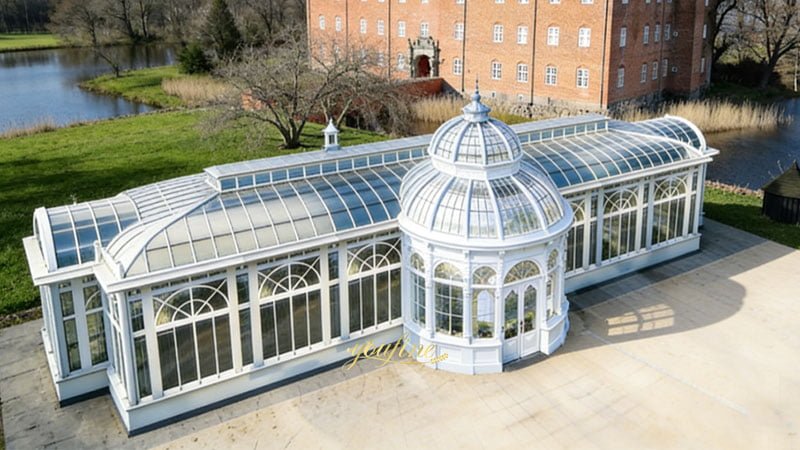
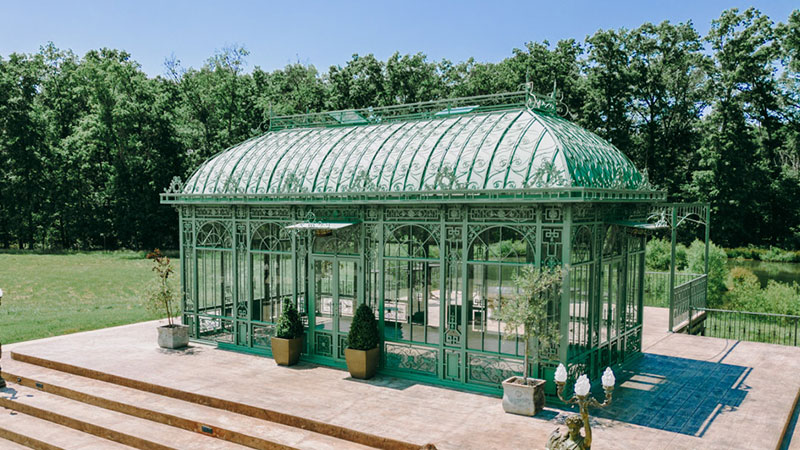
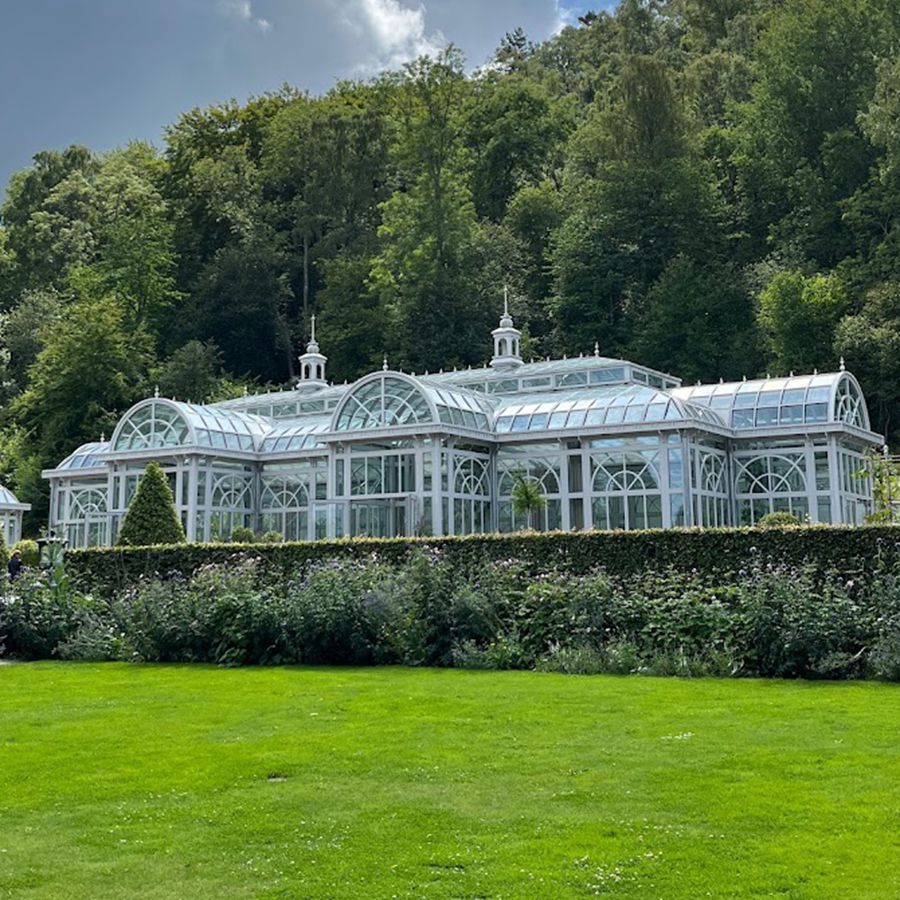
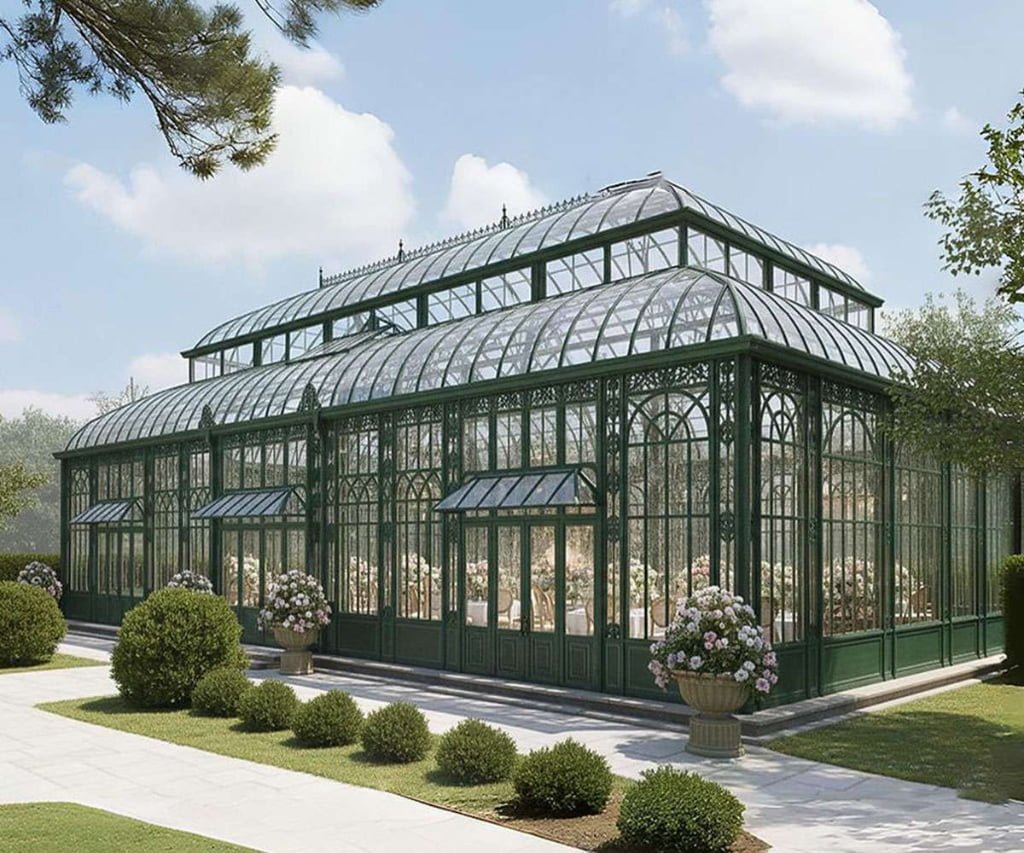
A simple rectangular structure is far more affordable than a highly decorative European-style greenhouse featuring:
Curved roofs
Arched windows
Ornamental details
Multi-section layouts
Complex designs require:
Advanced engineering
More fabrication time
Skilled labor
In short: the more visually impressive the greenhouse, the higher the cost.
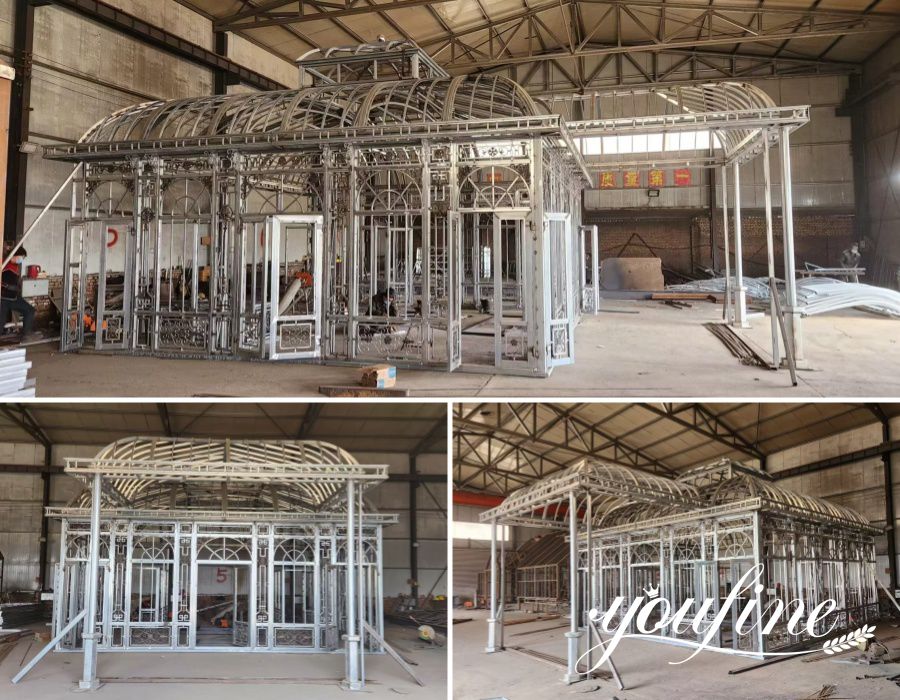
3. Steel Structure & Galvanization Method (Most Important Factor)
This is one of the most critical—and often overlooked—factors affecting price.
There are two main types of steel treatment used in greenhouse structures:
Option 1: Pre-Galvanized Steel Tubes
This is the more budget-friendly option.
Advantages:
Lower initial cost
Widely available
Disadvantages:
Only surface-level protection
Welded joints are vulnerable to rust
Shorter lifespan, especially in humid or coastal environments
Over time, maintenance costs can increase significantly.
Option 2: Hot-Dip Galvanization (Highly Recommended)
This is the premium option used in high-end greenhouses.
Advantages:
Thicker zinc coating
Internal and external surfaces are fully protected
Weld points are sealed against corrosion
Extremely durable in harsh environments
Lifespan: Typically 20–50 years with minimal maintenance
Cost: Higher upfront investment, but far more cost-effective long term
Hot-dip galvanized structures can last for decades, making them ideal for luxury or permanent greenhouse installations.
You could learn more: Hot Dip Galvanized Steel vs. Overall Hot Dip Galvanizing
4. Glass Type
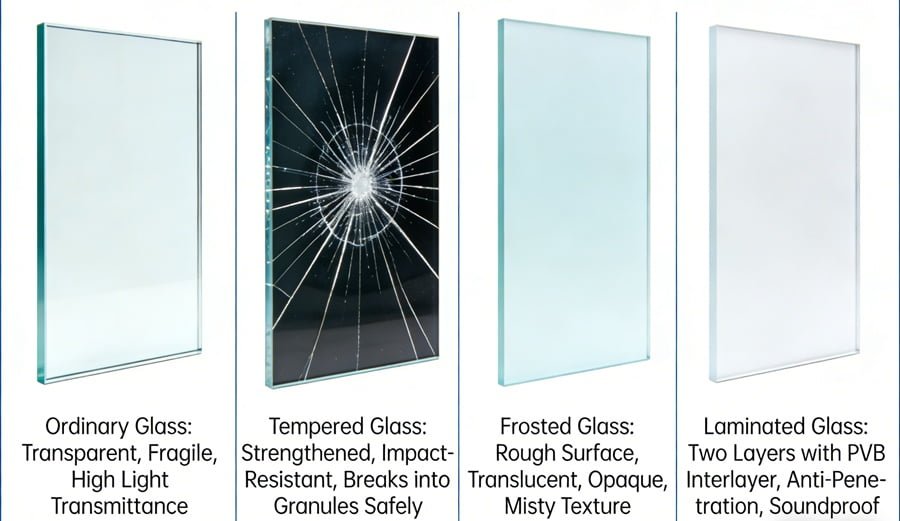
Glass plays a major role in both price and performance.
Common Options:
1. Single Glass
Lowest cost
Basic functionality
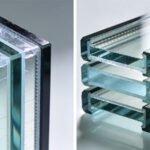
2. Double-Glazed Glass
Better insulation
More energy efficient
Most popular choice
3. Low-E Glass (High-End)
Reduces heat loss
Improves climate control
Ideal for cold regions
The better the glass, the higher the cost—but also the better the long-term performance.
You could learn more: How to Choose the Right Glass for Your Wrought Iron Greenhouse: A Complete Guide
5. Customization Level
Customization significantly impacts price.
A standard greenhouse design is much cheaper than a fully customized one.
Customization may include:
Unique dimensions
Custom door and window styles
Decorative elements
Interior layouts
Fully customized projects require design time, engineering, and additional fabrication work.
6. Surface Treatment and Finishing
Surface finishing affects both aesthetics and durability.
Common options include:
Basic paint coating
Powder coating (more durable)
Anti-corrosion treatments
Antique or decorative finishes
High-quality finishes:
Improve weather resistance
Extend lifespan
Enhance visual appeal
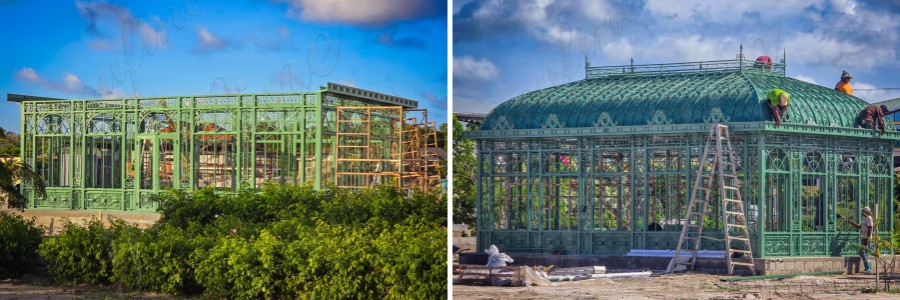
7. Installation and Labor Costs
Installation costs vary depending on:
Project location
Structure complexity
Whether installation is included
For overseas projects:
Installation teams may need to travel
Or local contractors may be hired
This can add a significant amount to the total budget.
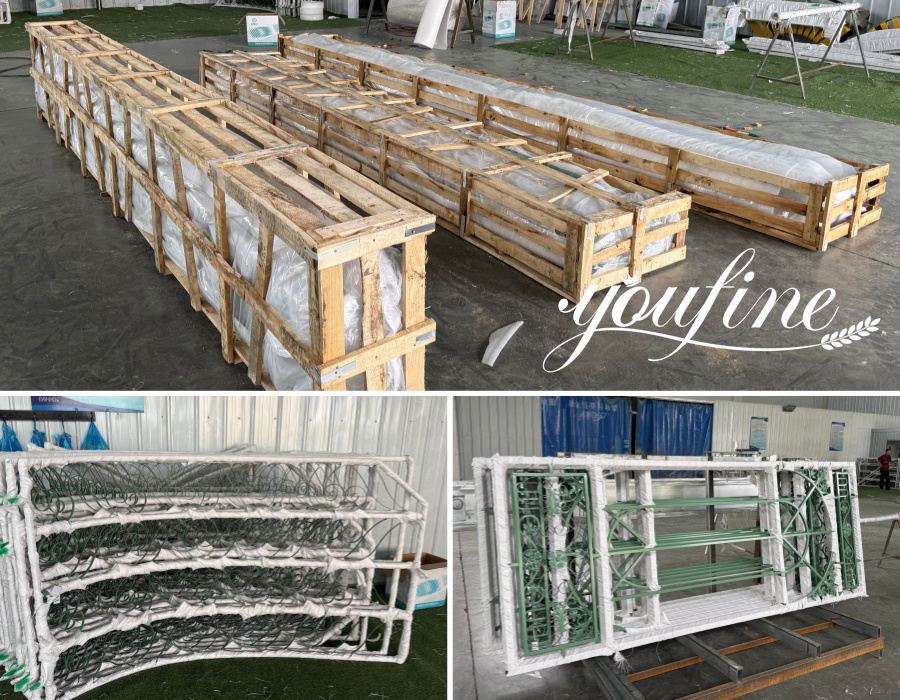
8. Shipping and Packaging
For international buyers, shipping is a major cost factor.
Key considerations include:
Sea freight costs
Packaging (usually wooden crates)
Container size and loading efficiency
Large or complex structures require:
More space
Stronger packaging
Higher logistics costs
9. Manufacturer Experience and Capability
Not all manufacturers are equal.
Experienced manufacturers typically offer:
Better engineering solutions
Higher production quality
Reliable delivery timelines
Export experience
Less experienced suppliers may offer lower prices—but often at the cost of quality, durability, or service.
Choosing the right manufacturer is just as important as choosing the right design.
Hidden Costs You Should Not Ignore
Many buyers focus only on the greenhouse price—but there are additional costs to consider.
Foundation Work
A solid foundation is essential for structural stability.
Costs depend on:
Soil condition
Size of the greenhouse
Local labor rates
Permits and Regulations
In some regions, you may need:
Construction permits
Planning approvals
These can add both time and cost to the project.
How to Reduce the Cost Without Sacrificing Quality
If you’re working within a budget, here are smart ways to optimize costs:
1. Optimize the Design
Simplify overly complex structures while maintaining aesthetics.
2. Choose the Right Glass
Double-glazed glass often offers the best balance between cost and performance.
3. Control the Size
Avoid overbuilding. Choose a size that fits your actual needs.
4. Work Directly with a Manufacturer
Buying directly from a manufacturer can:
Eliminate middlemen
Reduce costs by 20%–40%
Improve customization options
5. Prioritize Key Investments
Spend more on:
Structural durability
Galvanization method
Save on:
Non-essential decorative elements
Is a Wrought Iron Greenhouse Worth the Investment?
Absolutely—especially when built with high-quality materials.
Key Benefits:
- Exceptional durability (decades of use)
- Timeless aesthetics
- Increased property value
- Customization flexibility
Compared to aluminum or plastic greenhouses, wrought iron offers unmatched strength and elegance.
How to Choose the Right Wrought Iron Greenhouse Manufacturer
Before making a decision, consider the following:
- Do they offer custom design services?
- Do they use hot-dip galvanization?
- Do they have international project experience?
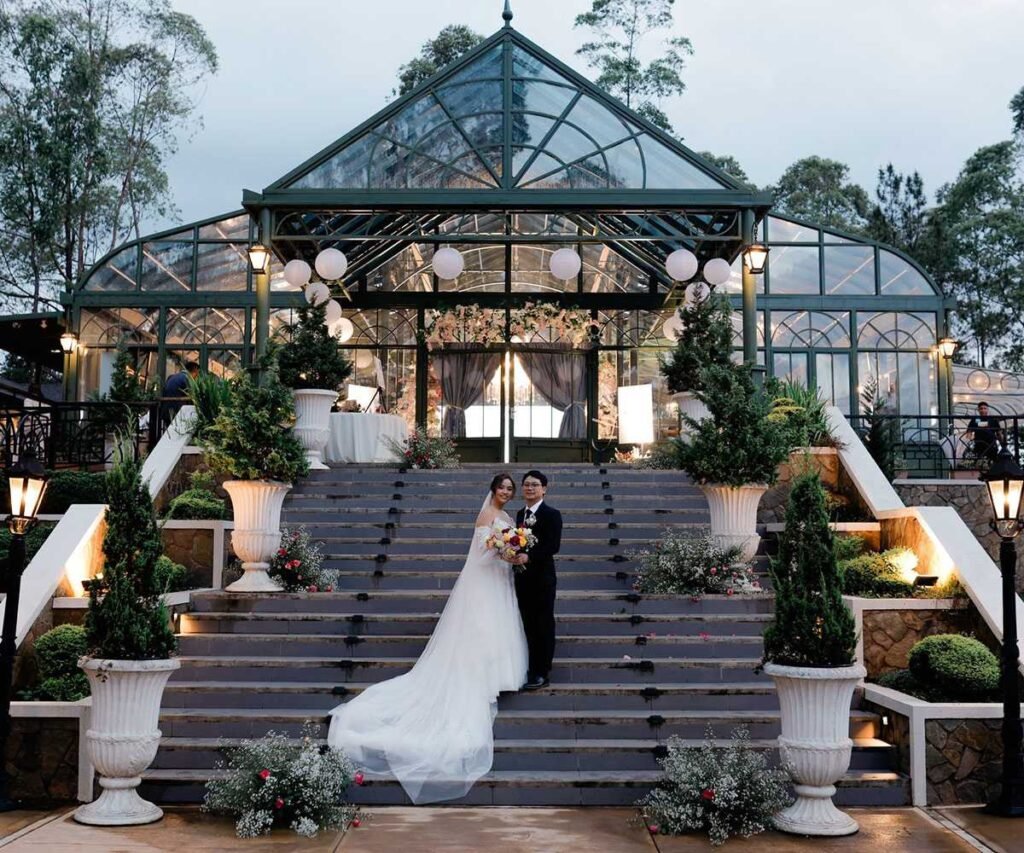
- Can they provide real project cases?
A reliable manufacturer will guide you through the entire process—from design to delivery.
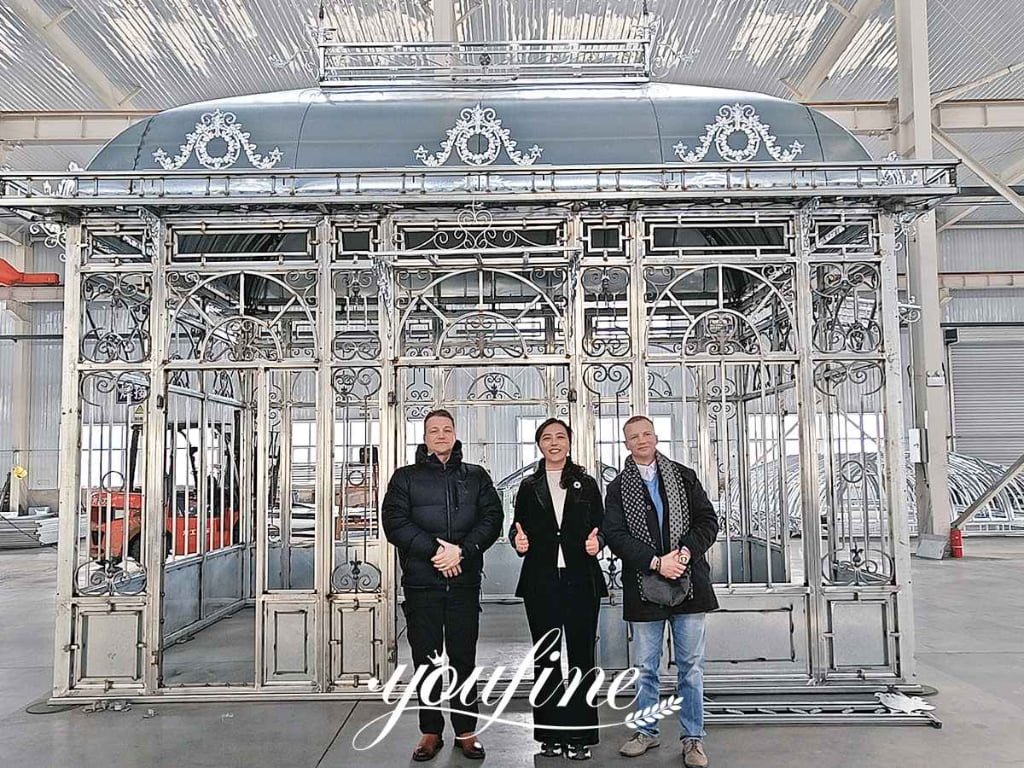
Get a Custom Quote for Your Wrought Iron Greenhouse
Every greenhouse project is unique.
To get an accurate quote, it’s best to provide:
- Desired dimensions
- Design references (photos or sketches)
- Installation location
- Special requirements
With this information, a professional manufacturer can give you a tailored solution and pricing.