When designing a wrought iron sunroom, choosing the right type of glass is one of the most important decisions you’ll make. The glass you select directly impacts indoor comfort, energy efficiency, and even how quiet your space feels.
Two of the most popular options are triple glazing and laminated glass. While both offer clear advantages, they serve different purposes.
So, which one is better for your sunroom? The answer depends on your environment, priorities, and budget.

What Is Triple Glazing?
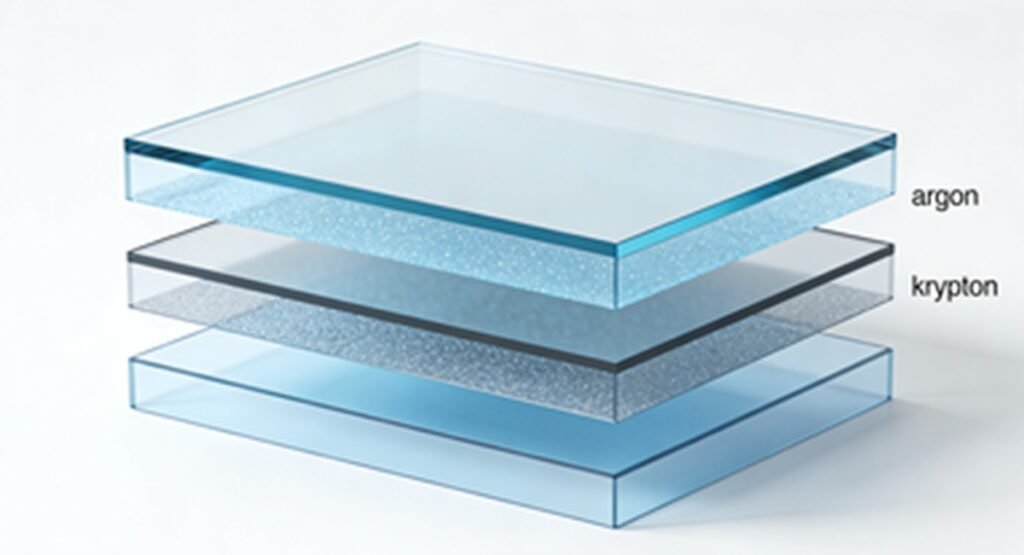
Triple glazing consists of three layers of glass separated by two insulating cavities, which are typically filled with inert gases such as argon or krypton.
This advanced structure is designed primarily for thermal performance.
Key Benefits of Triple Glazing
- Excellent insulation with very low heat transfer (low U-value)
- Keeps your sunroom warmer in winter and cooler in summer
- Reduces energy consumption and HVAC costs
- Minimizes condensation on glass surfaces
Because of its superior insulation, triple glazing is widely used in cold climates or regions with large temperature differences.
However, it is heavier and more expensive than standard glazing, which may require stronger structural support.
What Is Laminated Glass?
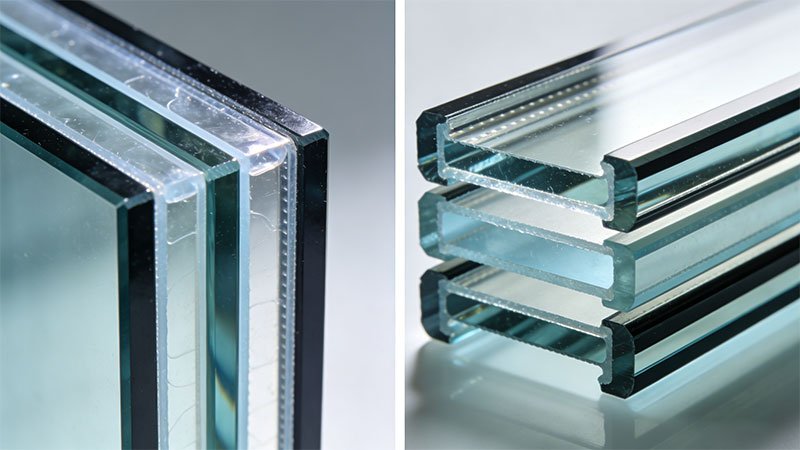
Laminated glass is made of two layers of glass bonded together with a PVB (polyvinyl butyral) interlayer.
Its main strengths lie in sound insulation and safety.
Key Benefits of Laminated Glass
- Outstanding noise reduction, especially for low-frequency sounds
- Enhanced safety: glass stays intact when broken
- Blocks up to 99% of harmful UV rays
- Suitable for overhead applications like sunroom roofs
In addition, laminated glass can be further enhanced with multiple layers for even better acoustic performance.
Triple Glazing vs Laminated Glass: Key Differences
1. Thermal Insulation
Triple glazing clearly outperforms laminated glass when it comes to insulation.
If your goal is to maintain a stable indoor temperature and reduce energy bills, triple glazing is the better choice.
2. Sound Insulation
Soundproofing performance depends heavily on the type of noise.
Low-frequency noise (traffic, construction, bass sounds): Laminated glass performs better because the interlayer absorbs vibrations.
High-frequency noise (voices, barking dogs, aircraft): Triple glazing provides good insulation due to multiple glass layers.
Key takeaway: There is no one-size-fits-all answer—your environment determines the best option.
3. Safety and Security
Laminated glass has a clear advantage in safety.
Even if it breaks, the interlayer holds the fragments together, preventing them from falling. This makes it especially suitable for sunroom roofs and overhead glazing.
4. Energy Efficiency
Triple glazing is designed for long-term energy savings.
Although the initial cost is higher, it significantly reduces heat loss and improves overall efficiency—making it a smart investment over time.
5. Cost Comparison
Laminated Glass: Lower upfront cost, easier to install
Triple Glazing: Higher initial investment, better long-term value
Think of triple glazing as a long-term investment, while laminated glass offers a more budget-friendly solution.
Best Choice for Different Scenarios
Choosing between triple glazing and laminated glass depends on your specific needs.
Choose Triple Glazing if:
You live in a region with extreme temperatures
Energy efficiency is a top priority
You want year-round comfort in your sunroom
Choose Laminated Glass if:
Your property is near roads, highways, or construction sites
Noise reduction is your main concern
You want enhanced safety, especially for roof glazing
Choose a Combination if:
You want both excellent insulation and strong soundproofing
You are building a high-end or custom sunroom
You are working on commercial or luxury residential projects
Can You Combine Triple Glazing and Laminated Glass?
Yes—this is actually the premium solution.
By integrating a laminated layer into a triple-glazed unit, you can achieve:
- Superior thermal insulation
- Enhanced noise reduction (both high and low frequency)
- Maximum safety
The only downside is higher cost and increased weight, which requires careful structural design.
How to Choose the Right Glass for Your Sunroom
To make the best decision, consider the following factors:
- Climate: Is your area hot, cold, or both?
- Noise Level: Are you exposed to traffic or urban noise?
- Budget: Are you optimizing for upfront cost or long-term savings?
- Structure: Can your sunroom support heavier glazing systems?
Balancing these factors will help you select the most suitable option.
Conclusion
Both triple glazing and laminated glass offer unique advantages:
Triple glazing is the best choice for insulation, energy efficiency, and indoor comfort
Laminated glass excels in noise reduction and safety, especially for low-frequency noise
Ultimately, the right choice depends on your environment and priorities.
If you’re planning a custom sunroom, working with an experienced manufacturer can help you find the perfect balance between performance, comfort, and cost.