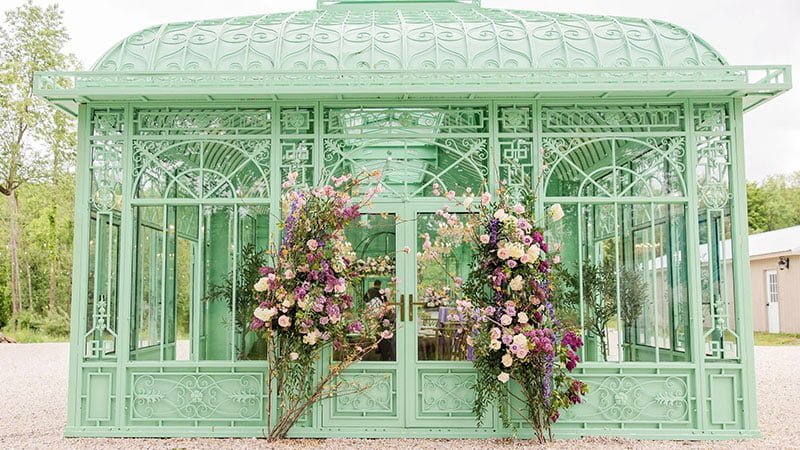
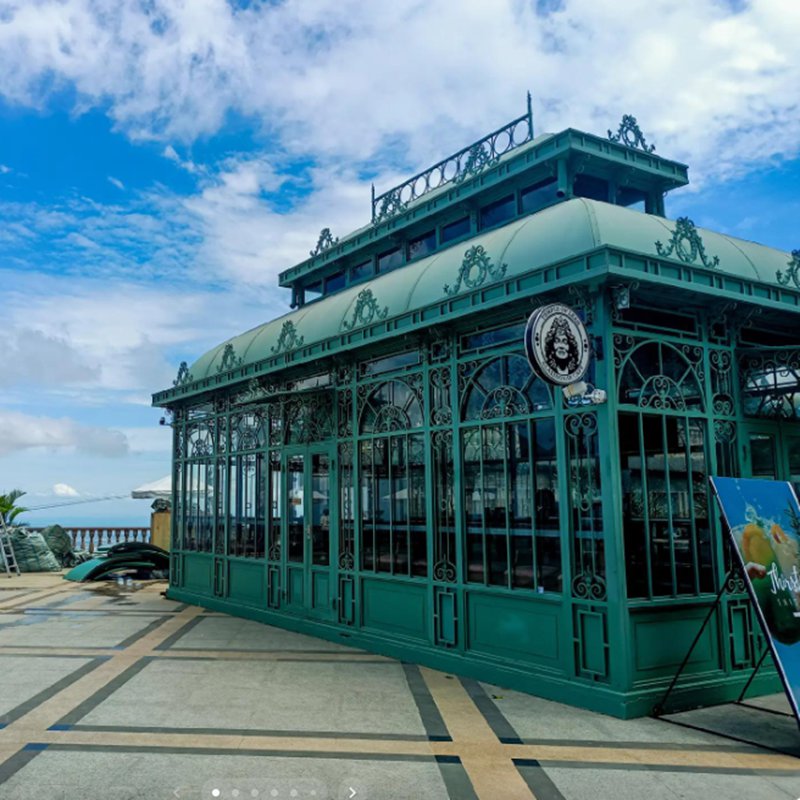
Wrought iron structures are valued for their strength, elegance, and timeless appearance. From wrought iron greenhouses and gazebos to pavilions and custom architectural structures, they are often designed to last for decades.
However, when exposed to outdoor environments, corrosion becomes the most critical factor affecting their durability and long-term performance.
Professional anti-corrosion treatment is not a single step or a simple paint application. It is a systematic process that starts at the factory and continues through transportation, installation, and ongoing maintenance. In this blog, we explain how professional anti-corrosion treatment works for wrought iron structures—and why it makes a lasting difference.
1. Why Professional Anti-Corrosion Treatment Matters for Wrought Iron Structures
Wrought iron is naturally strong, but like all ferrous metals, it reacts with moisture and oxygen. Without proper protection, corrosion is inevitable—especially in outdoor or high-humidity environments.
Poor or insufficient anti-corrosion treatment can lead to:
- Surface rust and paint bubbling
- Structural weakening over time
- Increased maintenance costs
- Shortened service life
Professional anti-corrosion treatment focuses on prevention, not repair. When done correctly, it significantly extends the lifespan of wrought iron structures while preserving both structural integrity and aesthetic quality.
2. Common Corrosion Risks from Factory to Installation
Corrosion risks do not only appear after installation. In reality, they exist throughout the entire lifecycle of a wrought iron structure.
2.1 Material & Fabrication Stage Risks
During fabrication, corrosion often begins at:
- Welded joints
- Sharp edges and corners
- Areas with incomplete surface preparation
If welding slag, oil residue, or mill scale is not fully removed, coatings will not bond properly—creating weak points where rust can start early.
2.2 Transportation & Storage Risks
For international projects, transportation introduces additional risks:
- High humidity during sea freight
- Condensation inside packaging
- Surface abrasion caused by movement
Without proper packaging and protection, even a well-coated structure can suffer damage before it reaches the installation site.
2.3 On-Site Installation Risks
Installation can unintentionally compromise corrosion protection:
- Scratches during handling and assembly
- Fasteners penetrating coated surfaces
- Metal components in direct contact with damp ground
This is why anti-corrosion planning must include installation-stage considerations, not just factory treatment.
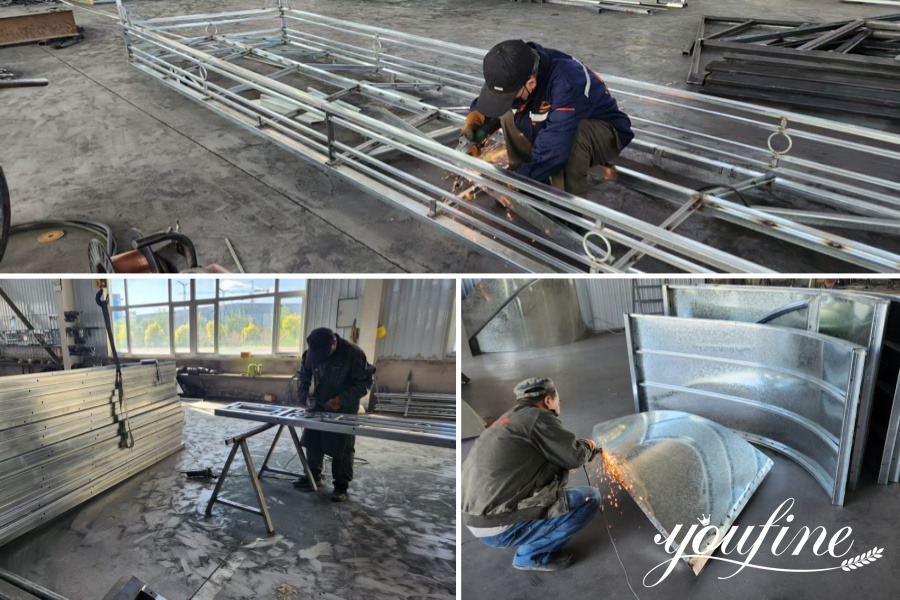
3. Factory-Level Anti-Corrosion Treatment: The Foundation
The most effective corrosion protection always starts at the factory. Once a structure is installed, it is too late to correct fundamental treatment flaws.
3.1 Surface Preparation: The Most Critical Step
Surface preparation is the foundation of professional anti-corrosion treatment and accounts for a major portion of its effectiveness.
- Typical professional preparation includes:
- Sandblasting or shot blasting
- Removal of rust, mill scale, welding residue, oil, and dust
- Creating a clean, uniform surface for coating adhesion
No coating system—no matter how advanced—can perform well without proper surface preparation.
3.2 Anti-Corrosion Primer Systems
After preparation, a high-quality primer is applied to protect the metal and enhance coating adhesion.
Common primer systems include:
- Zinc-rich primers for enhanced corrosion resistance
- Epoxy primers for excellent adhesion and moisture resistance
The choice of primer depends on the structure’s environment, exposure level, and expected service life.
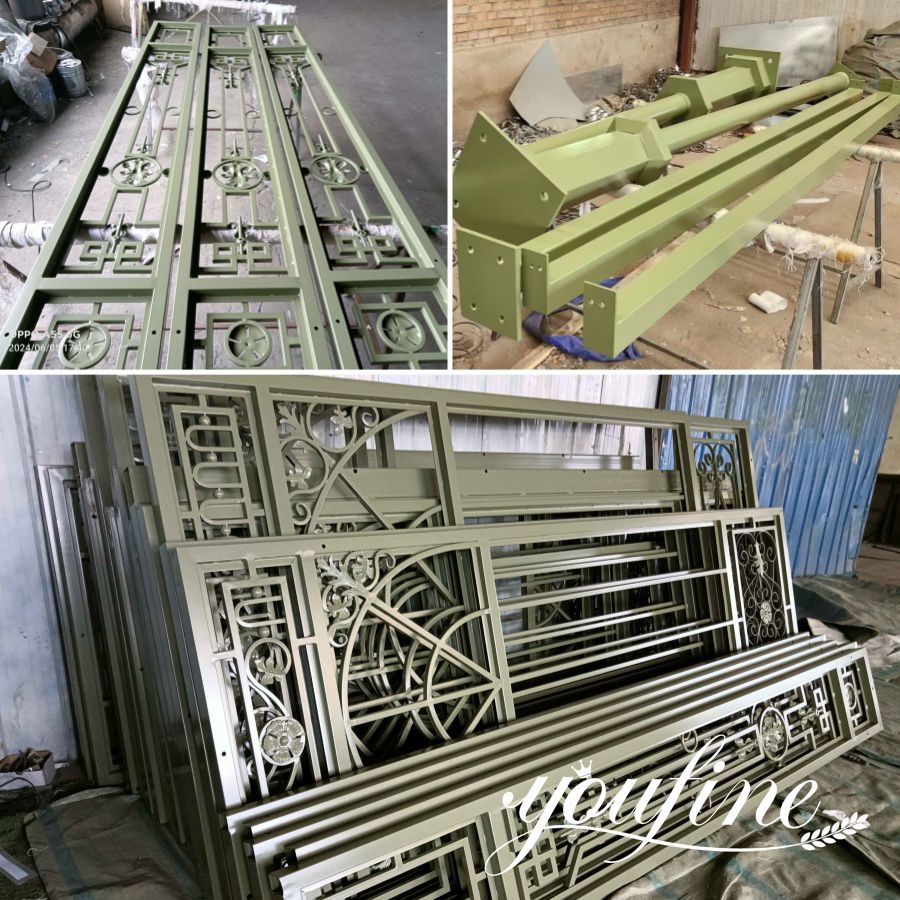
3.3 Protective Top Coatings
The final coating layer provides both protection and appearance.
Professional top coatings typically feature:
- Outdoor-grade durability
- UV resistance to prevent fading
- Strong adhesion and flexibility
Options may include high-performance industrial paint systems or powder coating, depending on design and application requirements.
4. Optional Advanced Anti-Corrosion Solutions
For wrought iron structures that demand enhanced durability and long-term corrosion resistance, especially in outdoor or high-humidity environments, zinc-based solutions remain the industry standard. At a professional level, there are two main approaches: using pre-galvanized steel material and performing full hot-dip galvanization after fabrication. Understanding the key differences between these methods helps ensure the most effective protection for your project. You can also read more about these two options in our detailed comparison: Hot Dip Galvanized Steel vs. Overall Hot Dip Galvanizing.
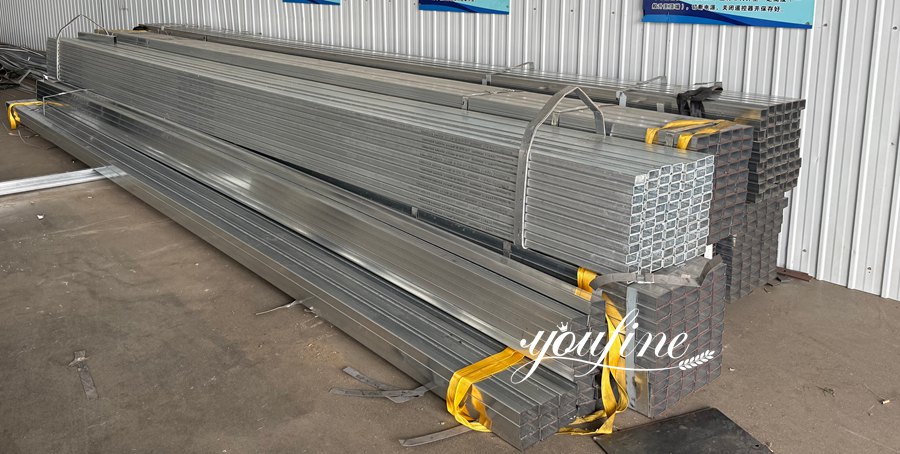
4.1 Galvanized Steel Material (Pre-Galvanized Steel)
This method begins with galvanized steel materials before fabrication. In other words, the steel used to make the structure has already been coated with zinc at the mill prior to cutting, welding, and further processing.
Key characteristics:
- Material arrives with an initial zinc coating, reducing early corrosion risk.
- Ideal for components where high-speed fabrication and cost efficiency are priorities.
- Delivers good protection on plain surfaces.
Important considerations:
When pre-galvanized steel is cut, welded, or drilled during fabrication, the zinc protection at those areas is compromised and requires additional touch-up or coating.
Because the coating is applied before fabrication, internal crevices and welded joints may not have complete zinc coverage without supplemental treatment.
Typically followed by final coating or painting systems to ensure outdoor durability.
Pre-galvanized steel works well for straightforward designs, but its limitations at welded and cut areas mean it’s not always the best choice for long-term outdoor exposure without additional protection.
4.2 Full Hot-Dip Galvanization After Fabrication
Full hot-dip galvanization is a more thorough corrosion protection method, especially suitable for complex wrought iron frames such as those used in greenhouses, conservatories, pavilions, and decorative architectural structures.
How the process works:
The entire structure is fabricated in black iron according to design and welding specifications.
After fabrication, the completed assembly is disassembled into individual components.
Each piece is then immersed in a hot-dip galvanizing bath, where it’s completely coated with molten zinc that metallurgically bonds to the steel.
After galvanization, components are reassembled and test-installed to ensure proper fit and finish.
Why this matters:
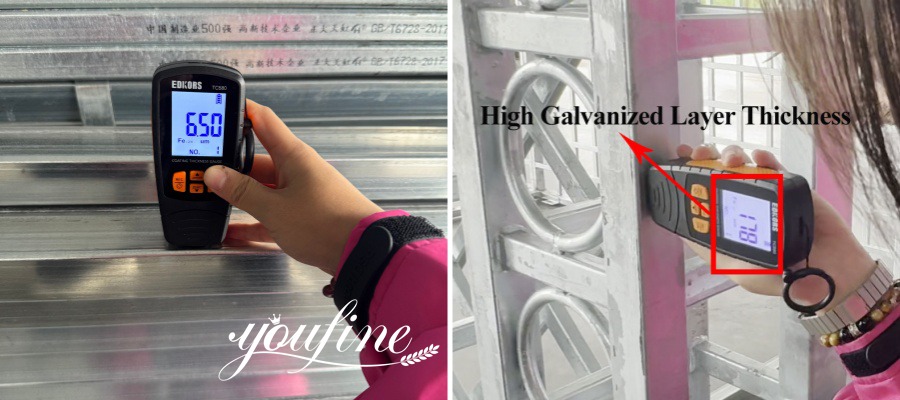
Hot-dip galvanization provides uniform zinc coverage, including internal edges, hidden surfaces, and welded joints that are often vulnerable in other methods.
The zinc coating formed through immersion is much thicker and more durable than surface-applied or pre-galvanized coatings, which significantly increases corrosion resistance in harsh outdoor environments.
Because the zinc becomes part of the steel surface through metallurgical bonding, it protects even when scratched, offering cathodic protection that helps prevent rust from spreading.
The professional advantage: Full hot-dip galvanization ensures that every part of the structure—inside and out—is protected before final finishing. After galvanization, optional top coatings (primers, paints, or powder coats) can be applied for color, UV resistance, and aesthetic smoothness.
4.3 Choosing Between the Two Zinc-Based Methods
The right choice depends on your specific project needs:
Pre-galvanized steel is suitable for simpler designs, projects with tight timelines, or where secondary wound-on protection will be applied. It reduces upfront material costs but may require more attention at welds and joints.
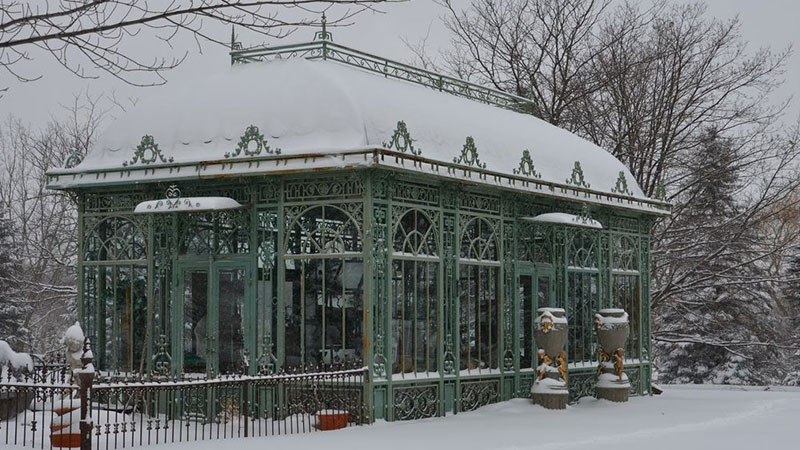
Full hot-dip galvanization is recommended for high-exposure installations (e.g., outdoor greenhouses, gazebos, coastal environments), demanding long service life, and aesthetic continuity. The trade-off is in higher initial processing cost but much lower maintenance over time.
5. Installation-Stage Anti-Corrosion Considerations
Installation is a critical moment where corrosion protection can either be preserved—or compromised.
5.1 Site Preparation
- Ensure foundations are properly drained
- Avoid direct contact between iron components and wet ground
- Use suitable isolation materials when necessary
5.2 Handling & Assembly Best Practices
- Handle components carefully to avoid scratches
- Use corrosion-resistant fasteners
- Touch up any damaged coating immediately after installation
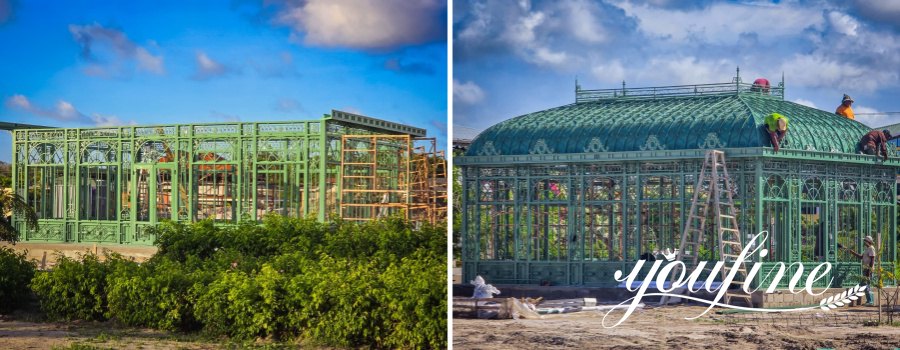
- Professional installation practices help maintain the integrity of the anti-corrosion system.
6. Maintenance Tips to Maximize Service Life
Even the best anti-corrosion system benefits from proper maintenance.
- Recommended practices include:
- Periodic inspection of coated surfaces
- Prompt repair of small chips or scratches
- Gentle cleaning to remove dirt and contaminants
- Scheduled maintenance in harsh environments
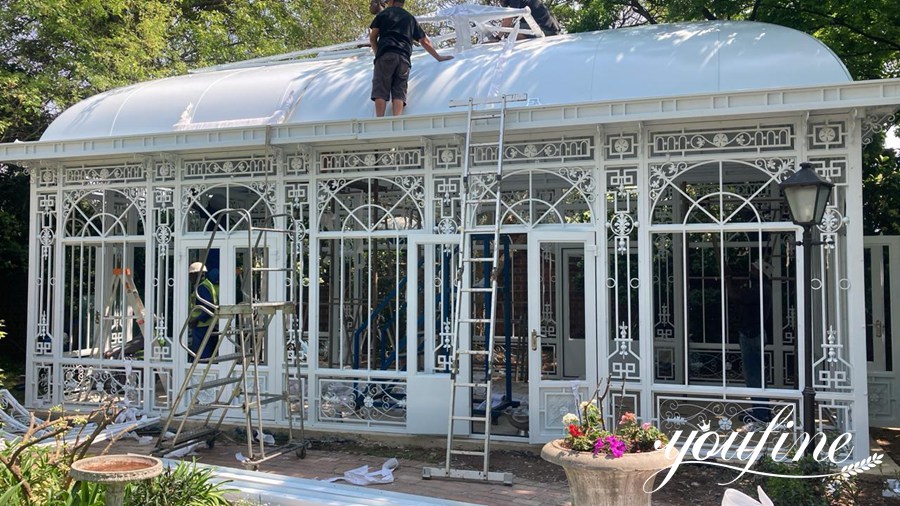
With proper care, wrought iron structures can maintain their strength and appearance for decades.
7. Conclusion
Anti-corrosion treatment for wrought iron structures is not a single process—it is a complete system that begins at the factory and continues through transportation, installation, and long-term use.
By combining professional surface preparation, high-quality coating systems, careful packaging, and proper installation practices, wrought iron structures can achieve exceptional durability and long-term value.
Choosing an experienced manufacturer who understands anti-corrosion treatment at every stage is the key to ensuring that wrought iron structures perform beautifully for years to come.