A wrought iron greenhouse is no longer used only for growing plants. Today, many homeowners, landscape designers, and commercial property developers install these elegant glass structures as luxury garden rooms, event venues, or sunlit entertainment spaces.
With its timeless iron framework and expansive glass panels, a wrought iron greenhouse can function as a conservatory, a relaxation lounge, or even a venue for private events such as weddings, tea parties, and exhibitions.
However, choosing the right size is one of the most important decisions when planning such a structure. The ideal size should match your garden space, support your intended activities, and create a comfortable environment for both guests and plants.
In this guide, we will explore how to determine the right size for a wrought iron greenhouse based on function, layout, landscape integration, and long-term usability.
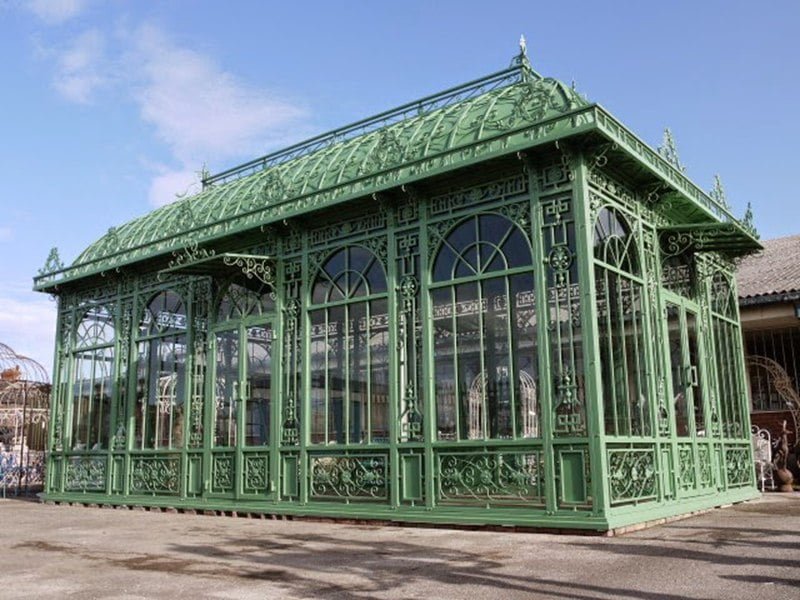
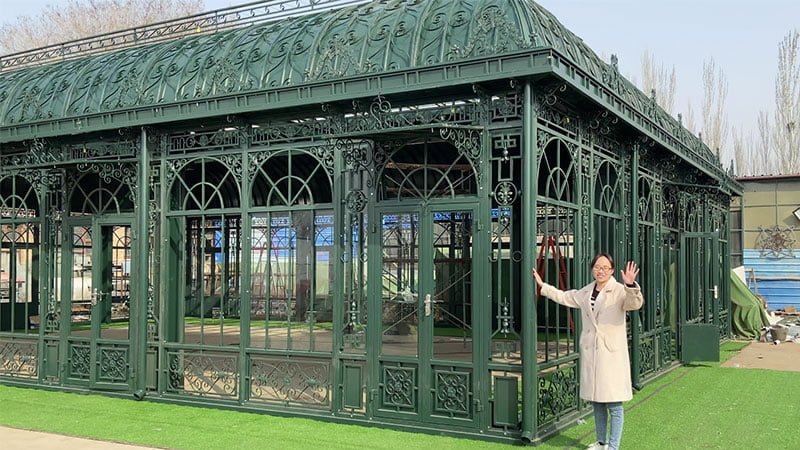
Understanding the Modern Role of Wrought Iron Greenhouses
Traditional greenhouses were built primarily for plant cultivation. But modern wrought iron greenhouses—often referred to as glass conservatories—serve a much broader purpose.
These structures are frequently used as:
- Garden lounges
- Private tea rooms
- Wedding or event venues
- Exhibition spaces
- Sunrooms for relaxation
- Botanical display rooms
Because they combine architectural beauty with practical indoor-outdoor living, they have become popular additions to luxury homes, resorts, botanical gardens, and estates.
When selecting the right size, it is important to think beyond plant capacity and consider how people will use the space. You could learn more: Popular Uses of Wrought Iron Conservatories
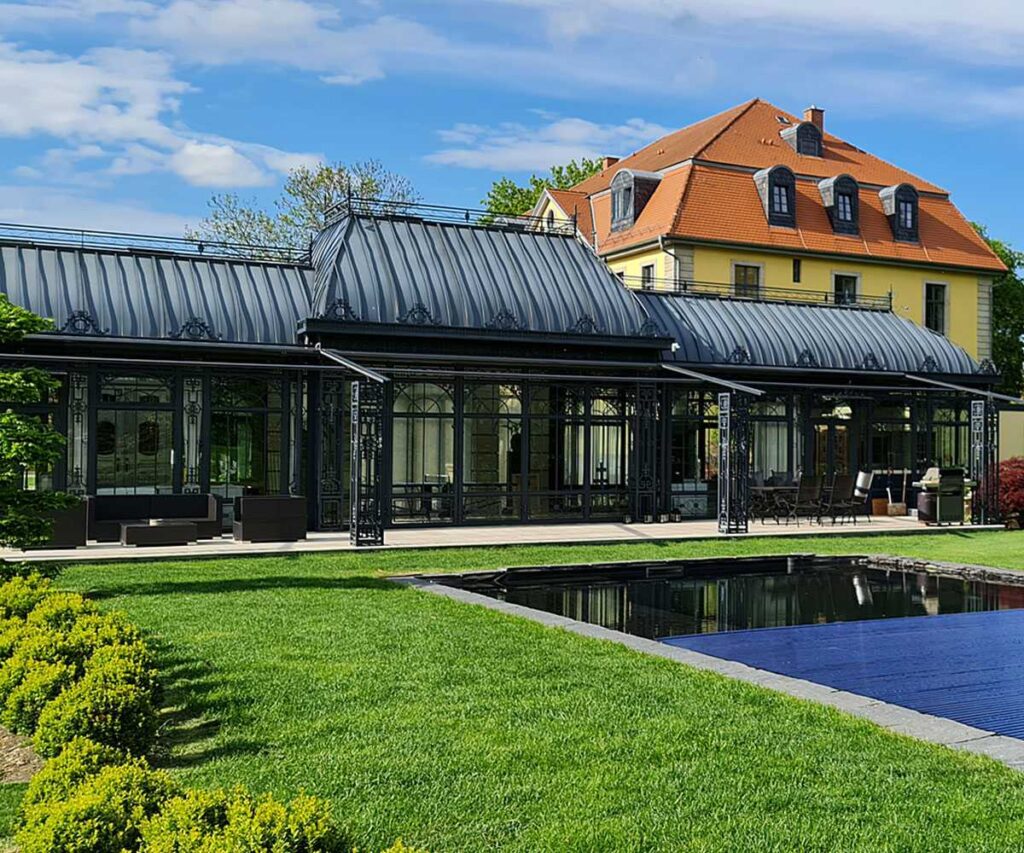
Step 1: Evaluate the Available Space in Your Garden
Before choosing a greenhouse size, the first step is to carefully assess the available area where the structure will be installed.
Wrought iron greenhouses are usually designed as permanent architectural installations, so proper placement is essential.
When measuring your garden space, remember to allow room for:
- Walkways around the greenhouse
- Landscaping and decorative elements
- Access for cleaning or maintenance
- Outdoor seating or garden paths
A good rule is to leave at least 2–3 feet of space around the structure for maintenance and airflow.
Typical Size Ranges
Wrought iron greenhouses come in a wide variety of sizes, but the most common ranges include:
Small Conservatory Greenhouses (10 × 15 ft – 12 × 16 ft)
These are ideal for private gardens or small backyard relaxation spaces. They can accommodate a few chairs, decorative plants, and a small table.
Medium Greenhouses (14 × 20 ft – 16 × 24 ft)
This size is very popular for residential conservatories. It allows enough room for seating areas, plant displays, and comfortable walkways.
Large Event Greenhouses (20 × 30 ft or larger)
Large structures are often used for social gatherings, garden events, or commercial installations in hotels, resorts, or parks.
The appropriate size depends on how you plan to use the space.
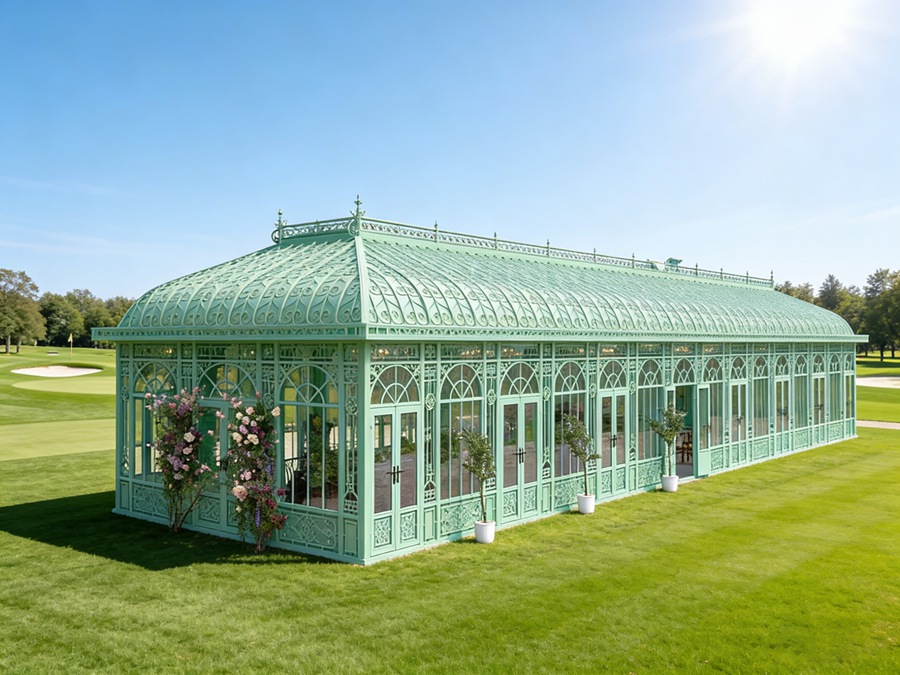
Step 2: Define the Primary Function of the Greenhouse
The most important factor in determining the size is how the greenhouse will be used.
Unlike traditional greenhouses, many wrought iron designs serve multiple purposes.
Relaxation and Leisure Space
Many homeowners install wrought iron greenhouses as garden lounges or sunrooms.
In this case, the structure should have enough space for:
- Comfortable seating
- Coffee tables or small dining tables
- Decorative plants
- Walking space
A medium-sized greenhouse usually works best for relaxation purposes because it balances openness with intimacy.
Event and Gathering Venue
If the greenhouse will host events such as:
- Garden parties
- Afternoon tea gatherings
- Weddings or receptions
- Art exhibitions
Then a larger structure will be necessary.
Event spaces require room for guests, tables, decorations, and circulation areas. A greenhouse used for events should also have higher ceilings to create a more open atmosphere.
Plant Cultivation and Botanical Display
Some greenhouse owners still prioritize plant cultivation.
In these cases, the interior layout should allow for:
- Plant beds or pots
- Shelving systems
- Hanging baskets
- Proper sunlight distribution
Even if plants are the focus, many people still design the space as a decorative botanical conservatory rather than a purely functional greenhouse.
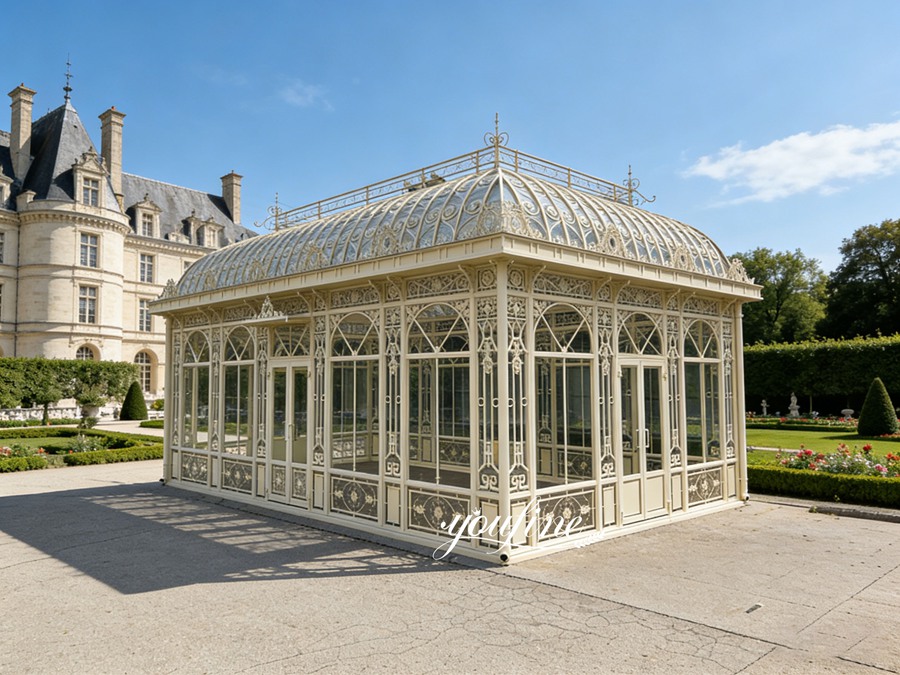
Step 3: Plan the Interior Layout
A greenhouse may look spacious from the outside, but the interior layout determines how functional the space really is.
When planning the size, consider how the interior will be arranged.
Typical interior features include:
- Central walkways
- Seating areas
- Plant displays
- Decorative elements such as fountains or sculptures
- Event tables or buffet areas
- Walkway Recommendations
Comfortable walkways are essential, especially if guests will visit the greenhouse.
A walkway should ideally be at least 3 feet wide, allowing people to move easily without disturbing plants or furniture.
For event venues, wider pathways may be necessary.
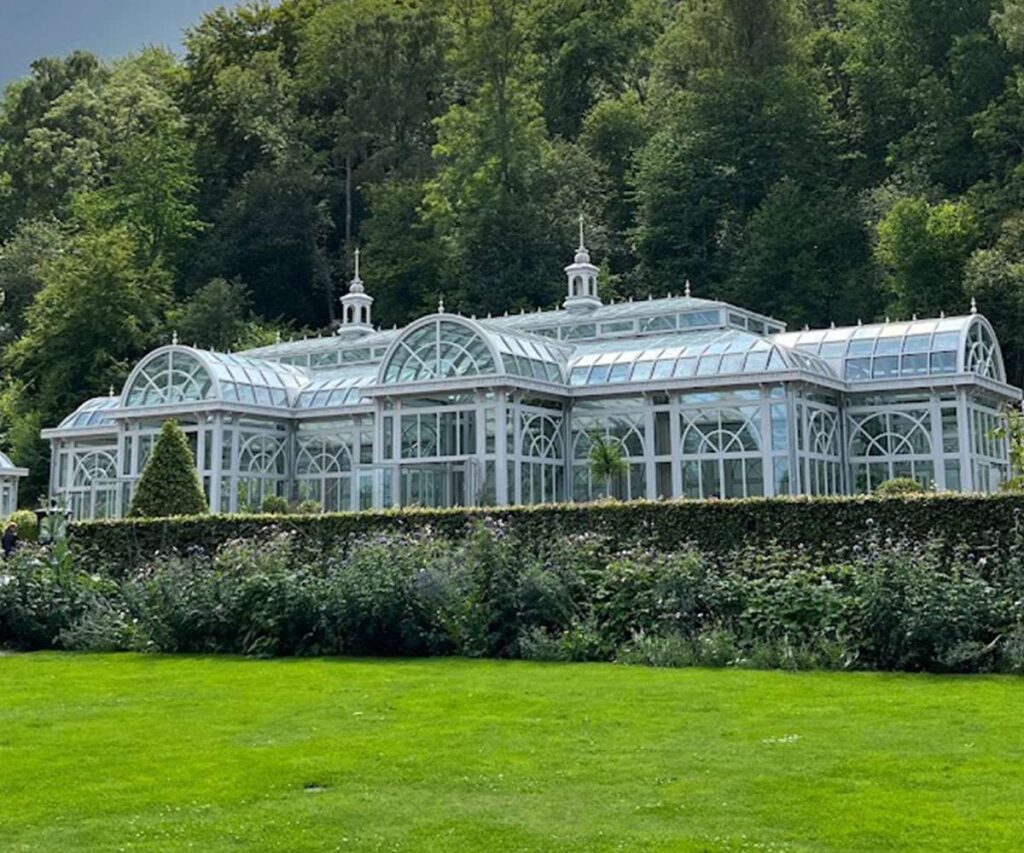
Step 4: Consider Ceiling Height and Architectural Proportion
The vertical space of a greenhouse is just as important as the floor area.
Wrought iron greenhouses are often designed with elegant roof structures that add both beauty and functionality.
Benefits of a Taller Greenhouse
Higher ceilings provide several advantages:
- Improved airflow and ventilation
- Better temperature regulation
- More natural light distribution
- Space for tall plants or decorative lighting
Tall structures also create a more impressive visual effect, especially when used for events or luxury garden spaces.
Most wrought iron conservatories have a height between 12 and 16 feet, depending on the architectural style.
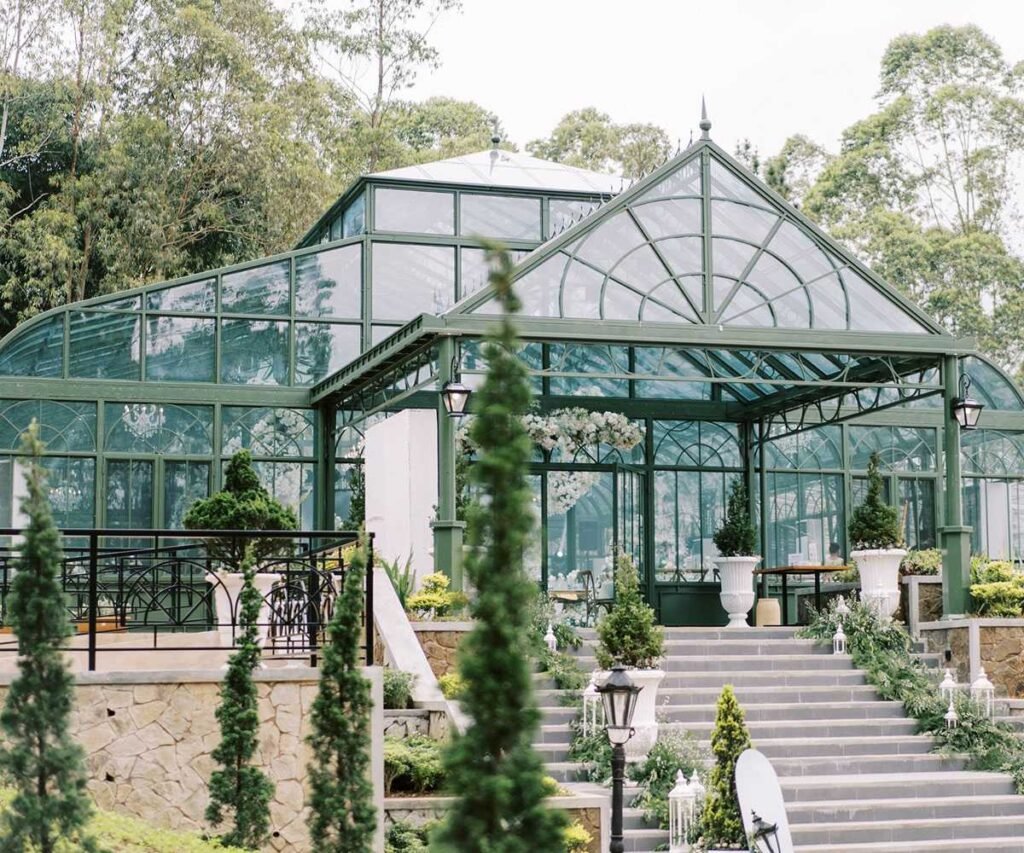
Step 5: Harmonize the Greenhouse with the Landscape
Because wrought iron greenhouses are highly decorative structures, their size should match the surrounding garden and architecture.
A greenhouse that is too large may dominate the garden, while one that is too small may appear insignificant.
For Private Gardens
Medium-sized conservatories usually integrate well into residential landscapes.
They provide enough space for relaxation while maintaining a balanced proportion with the garden.
For Estates or Commercial Properties
Large properties such as resorts, botanical gardens, or luxury villas often benefit from grand greenhouse structures.
These larger conservatories can become central attractions within the landscape design.
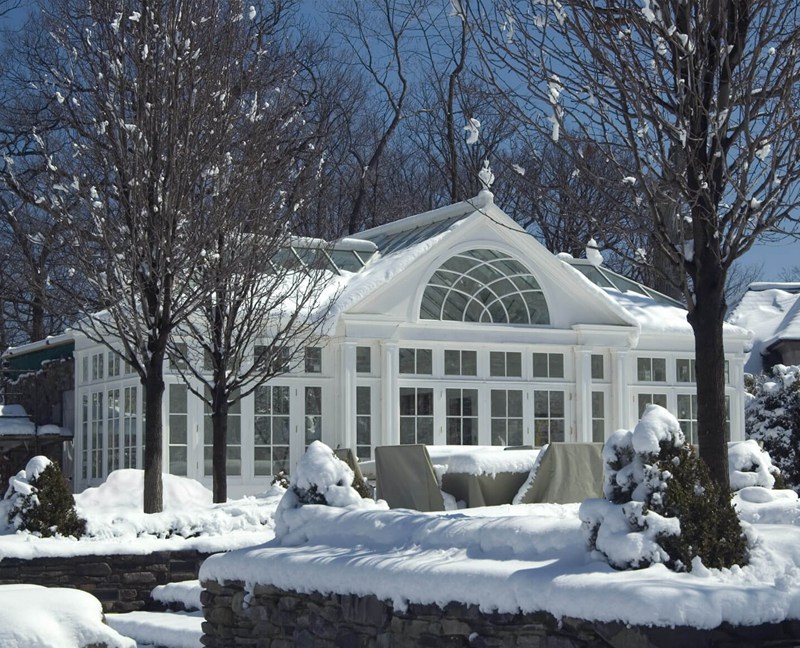
Step 6: Think About Multi-Purpose Use
One of the biggest advantages of a wrought iron greenhouse is its versatility.
Many people design these structures to serve multiple purposes, including:
- Plant display room
- Reading lounge
- Dining area
- Event venue
- Photography location
If you want the greenhouse to support several functions, choosing a slightly larger size will provide greater flexibility.
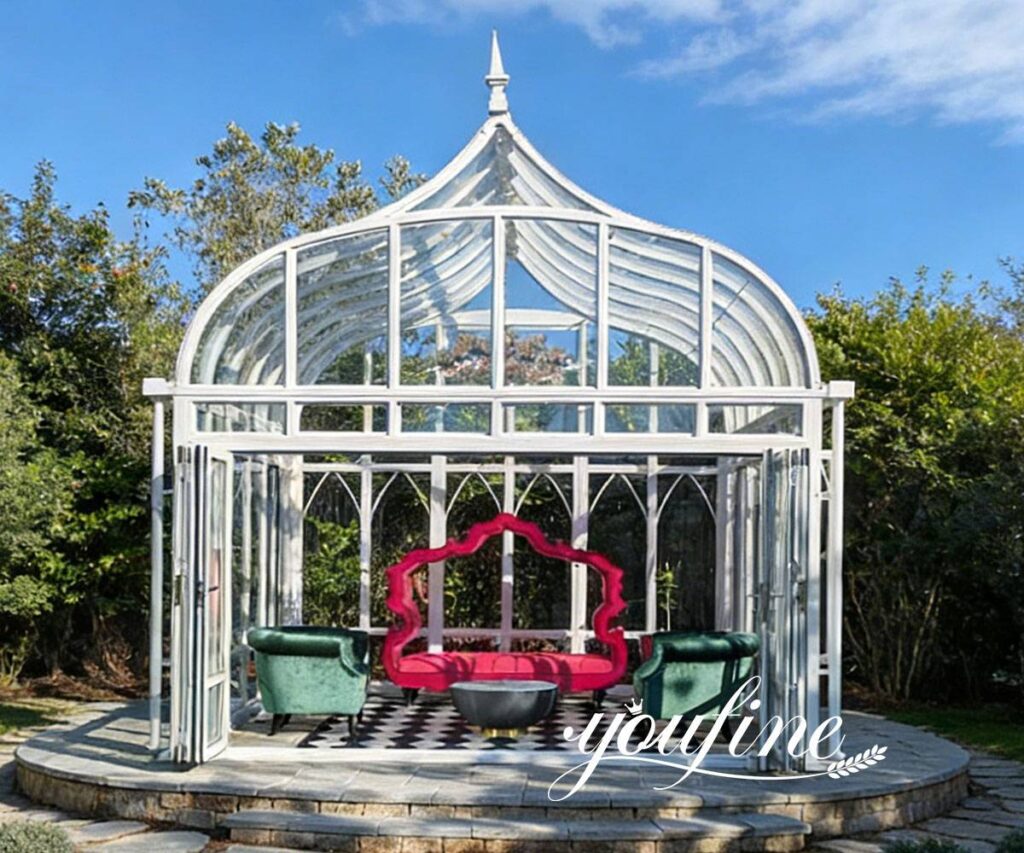
Step 7: Plan for Future Expansion
A common experience among greenhouse owners is that they eventually wish they had chosen a larger structure.
Plant collections grow, furniture arrangements change, and new ideas emerge for using the space.
If your garden allows it, choosing a slightly larger greenhouse can provide valuable flexibility in the future.
Possible future additions include:
- Additional seating areas
- More plant displays
- Decorative lighting installations
- Seasonal event decorations
Planning ahead ensures the greenhouse remains useful and enjoyable for many years.
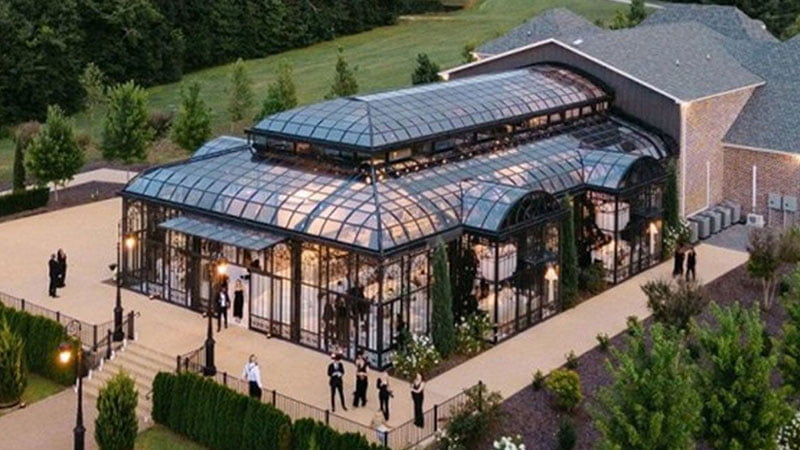
Custom Wrought Iron Greenhouses with YouFine
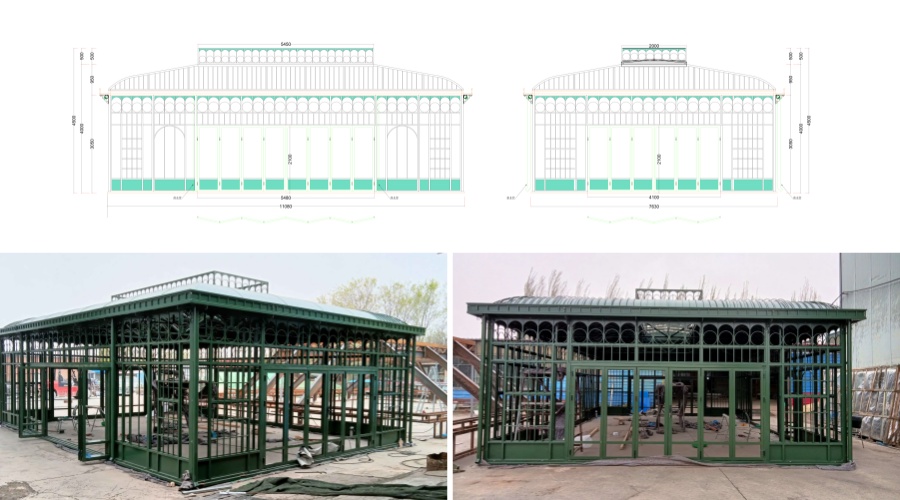
One of the greatest advantages of choosing a wrought iron greenhouse is the ability to create a fully customized structure that perfectly matches your property and lifestyle. At YouFine, every wrought iron greenhouse is designed and built according to the client’s specific needs, ensuring both functionality and architectural beauty.
Unlike prefabricated aluminum greenhouses, YouFine’s wrought iron conservatories are handcrafted with strong iron frameworks and high-quality glass panels, allowing for greater design flexibility and long-term durability.
Clients can customize many aspects of their greenhouse, including:
- Overall size and layout
- Roof styles such as Victorian, dome, or classical conservatory designs
- Decorative wrought iron details
- Large panoramic glass panels
- Grand entrance doors suitable for events and gatherings
Because many YouFine wrought iron greenhouses are used for leisure spaces, garden lounges, weddings, and private events, the design can also incorporate spacious interiors for seating areas, dining tables, or decorative botanical displays.
Whether you want a compact garden conservatory or a large event greenhouse, YouFine’s design team can help you create a structure that blends seamlessly with your landscape while providing a luxurious and comfortable environment.
With professional craftsmanship and customized design solutions, a YouFine wrought iron greenhouse can become a stunning focal point in your garden and a unique space for relaxation, entertainment, and special occasions.
Conclusion
Choosing the right size for a wrought iron greenhouse involves more than simply measuring the available space. It requires careful consideration of how the structure will be used, how the interior will be arranged, and how the greenhouse will integrate with the surrounding landscape.
Whether you plan to create a peaceful garden retreat, a botanical conservatory, or an elegant event venue, selecting the appropriate size will ensure your greenhouse is both beautiful and functional.
A thoughtfully designed wrought iron greenhouse can transform an ordinary garden into a luxurious outdoor living space—offering natural light, elegant architecture, and endless opportunities for relaxation and celebration.