When choosing an iron greenhouse, corrosion protection is one of the most critical factors influencing durability, structural safety, and long-term maintenance costs.
Many buyers are familiar with the term hot dip galvanized steel, yet few clearly understand how it differs from overall hot dip galvanizing—or why this distinction can determine the lifespan of an outdoor structure.
This guide explains the two galvanizing methods commonly used in iron gazebos, compares their technical performance, and helps you make an informed decision based on climate, usage, and long-term value.
1. Why Galvanizing Matters for Iron Gazebos
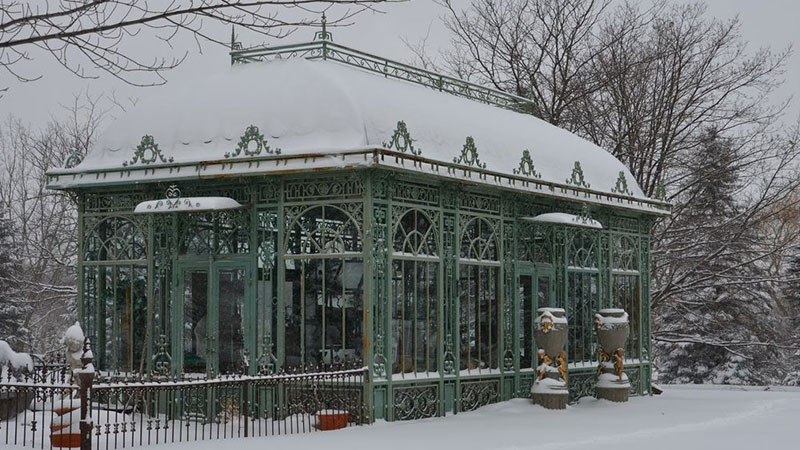
Iron gazebos are continuously exposed to outdoor elements such as rain, snow, humidity, and, in some regions, salt-laden air.
Without proper corrosion protection, rust typically begins at weld seams, cut edges, and internal cavities—areas that are difficult to repair once corrosion takes hold.
Galvanizing protects iron by applying a zinc layer that serves as both a physical barrier and a sacrificial coating, significantly slowing the corrosion process.
2. What Is Hot Dip Galvanized Steel?
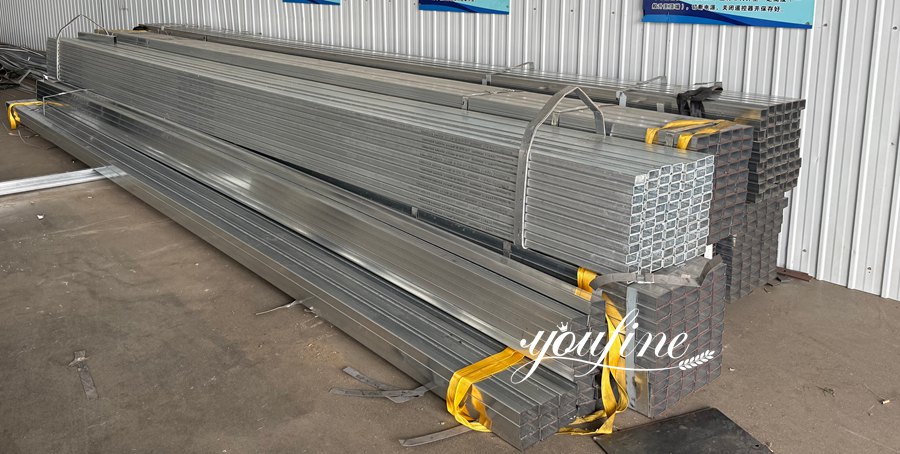
Hot dip galvanized steel refers to steel tubes or pipes that are galvanized before fabrication.
The steel is immersed in molten zinc, forming a protective coating. These galvanized tubes are then cut, welded, drilled, and assembled into an iron gazebo structure.
Advantages of Hot Dip Galvanized Steel
- Lower initial material cost
- Shorter production cycle
- Suitable for light-duty or decorative structures
- Widely available in standard tube sizes
3. What Is Overall Hot Dip Galvanizing?
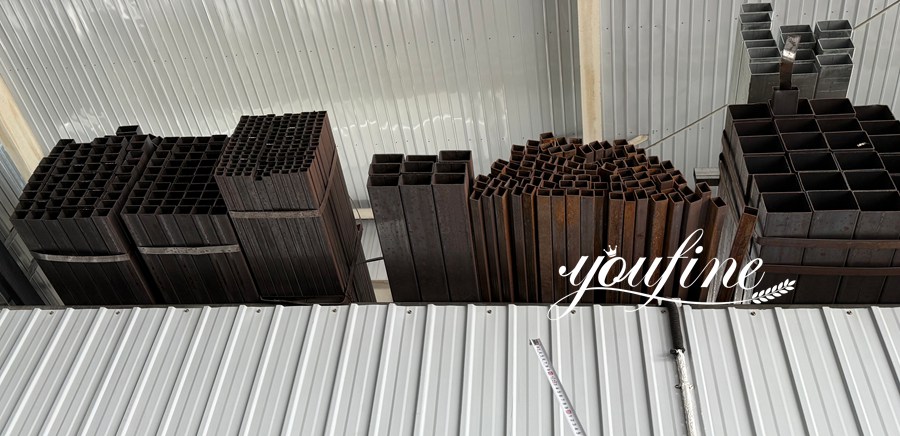
Overall hot dip galvanizing is a post-fabrication process in which the iron gazebo structure is fully manufactured first, including all welds and joints, using black iron (non-galvanized steel).
The structure is then strategically separated into major components and immersed in molten zinc, ensuring complete coating coverage on every surface.
Advantages of Overall Hot Dip Galvanizing
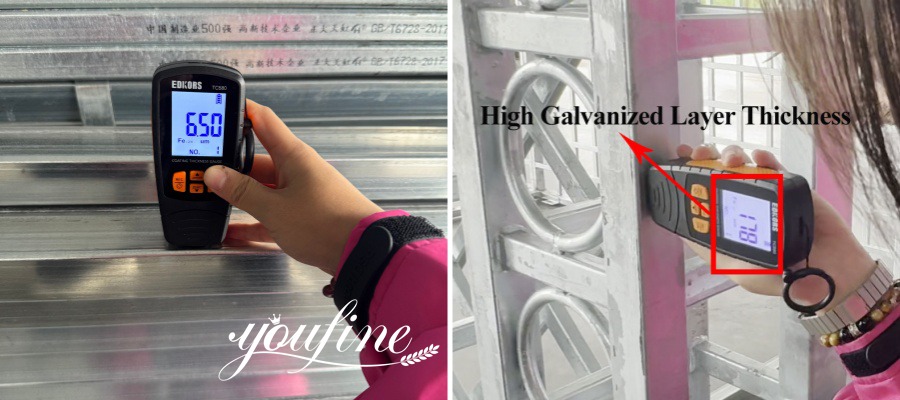
- Uniform, thick zinc coating
- Complete protection of weld seams and joints
- Full internal cavity coverage
- Excellent corrosion resistance in harsh environments
- Significantly extended service life
4. Technical Comparison
| Comparison Item | Hot Dip Galvanized Steel | Overall Hot Dip Galvanizing |
| Galvanizing Stage | Before Fabrication | After the Initial Assembly |
| Weld Protection | Limited | Excellent |
| Coating Thickness | Relatively Thin | Thick & Uniform |
| Corrosion Resistance | Medium | Excellent |
| Typical Service Life | 10-20 years | 20–50 years |
| Maintenance Requirement | Moderate | Very Low |
| Initial Cost | Lower | Higher |
| Long-Term Value | Medium | High |
5. Which Galvanizing Method Should You Choose?
5.1Based on Climate
- Snow-heavy regions (Northern Europe, North America): Overall hot dip galvanizing
- Coastal or high-humidity areas: Overall hot dip galvanizing
- Mild, dry climates: Hot dip galvanized steel may be sufficient
5.2Based on Usage Expectations
- Long-term residential gardens
- Luxury estates and hospitality projects
- Public or semi-public installations
For these applications, overall hot dip galvanizing provides far greater durability and value.
Conclusion
Understanding the difference between hot dip galvanized steel and overall hot dip galvanizing is essential when evaluating the quality and long-term performance of iron gazebos.
Although both methods involve zinc coating, their corrosion resistance, structural protection, and maintenance requirements differ significantly.
For projects where durability, safety, and minimal maintenance are critical, overall hot dip galvanizing using black iron remains the superior solution—especially in snowy, coastal, or high-humidity environments.
With decades of experience in iron structure engineering, YouFine specializes in designing and manufacturing iron greenhouses that utilize true overall hot dip galvanizing.
From precise fabrication to professional engineering drawings and installation guidance, YouFine ensures that every greenhouse is built for long-term performance, not just short-term appearance.
Choosing the right galvanizing method—and the right manufacturer—can make all the difference in the lifespan and value of your iron greenhouse.