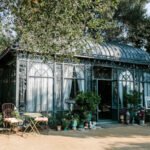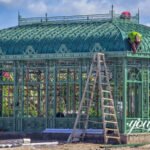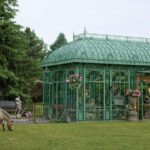
When planning a light-filled space for your garden or home, many people find themselves confused by three similar terms: greenhouse, conservatory, and sunroom. Although they all feature glass structures and abundant natural light, they are designed for very different purposes.
Understanding the differences between these three structures will help you choose the one that best suits your garden style, lifestyle, and long-term needs.
1. Greenhouse: Growing, Garden Decoration & Private Activities
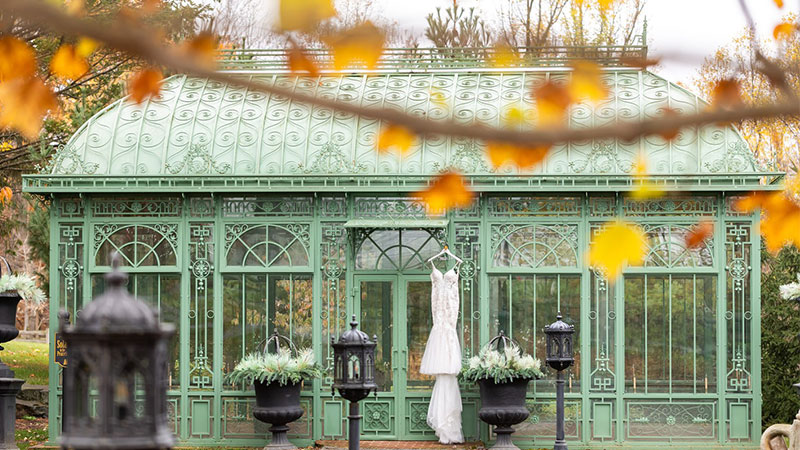
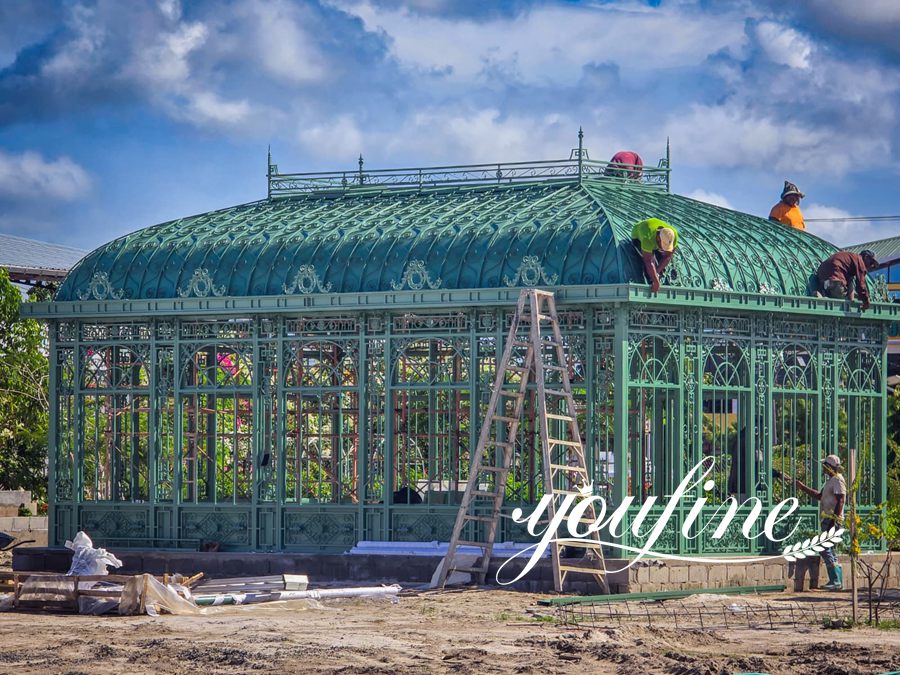
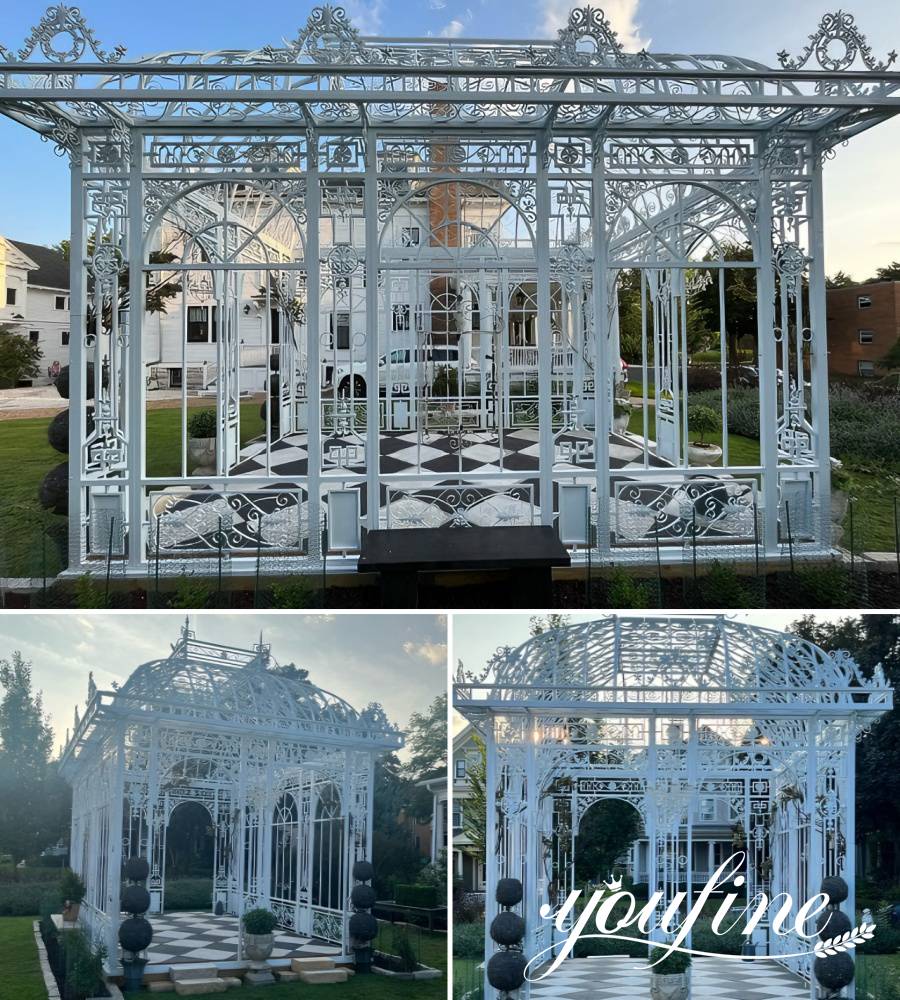
A wrought iron greenhouse is traditionally built for plant cultivation, but modern greenhouses—especially in private estates and high-end gardens—have evolved beyond purely agricultural use.
Today, a greenhouse often serves multiple purposes:
- Plant growing remains the core function, providing controlled sunlight, temperature, and humidity.
- Acts as a decorative element in the garden, enhancing landscape aesthetics.
- Offers space for private activities, such as enjoying afternoon tea, reading, or quiet relaxation surrounded by plants.
Greenhouses are usually freestanding structures, fully integrated into the garden rather than the house. They create a strong connection to nature and are ideal for those who value both gardening and a refined outdoor lifestyle.
2. Conservatory: Designed for Events & Entertaining
A conservatory places its emphasis on people and social experiences, rather than plant cultivation.
While plants may still play a decorative role, conservatories are primarily used for:
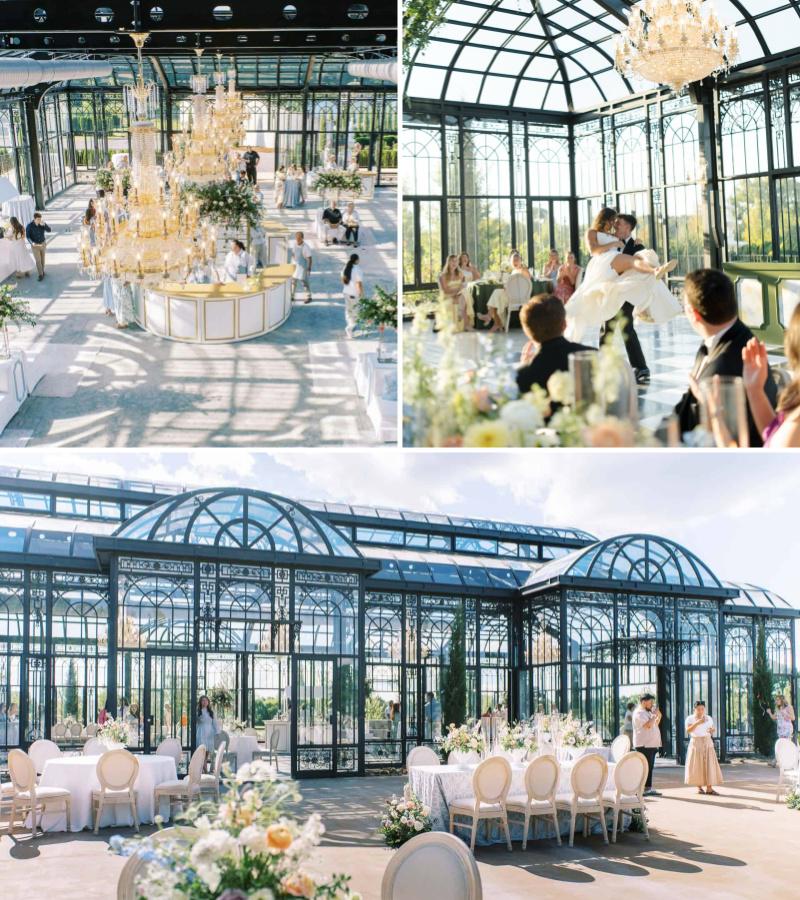
- Hosting events such as receptions, weddings, dinners, and exhibitions
- Entertaining guests in a visually impressive, light-filled environment
- Creating an elegant transitional space between architecture and nature
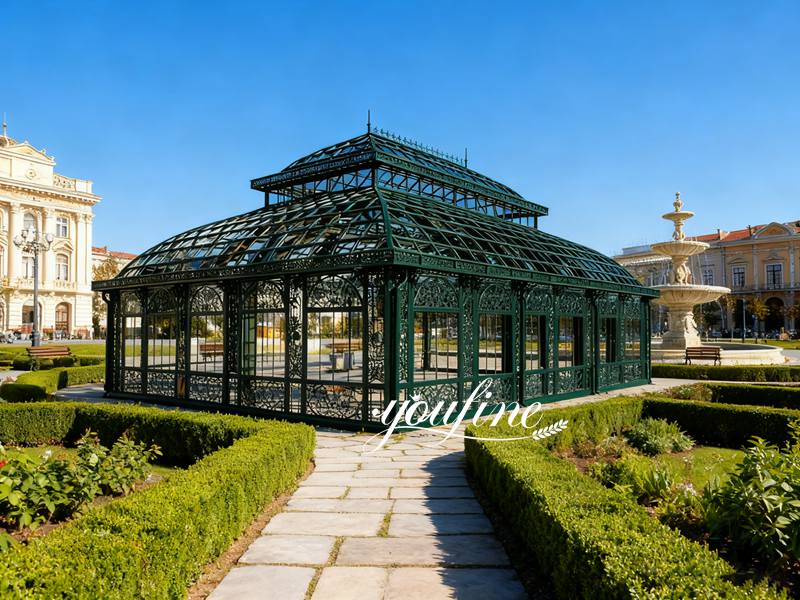
Conservatories often feature ornamental designs, large spans of glass, and refined architectural details. They are commonly found in hotels, estates, public gardens, and luxury residences, where atmosphere and visual impact matter most.
3. Sunroom: Comfortable, Light-Filled Living Space
A sunroom is designed with one main priority: everyday comfort.
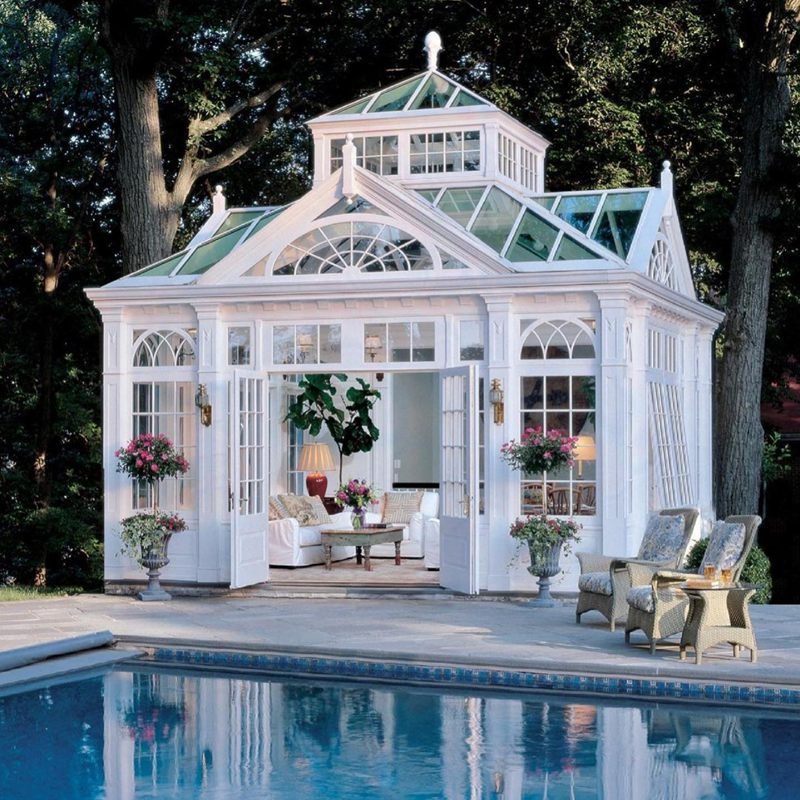
Unlike greenhouses or conservatories, sunrooms are built as extensions of the home and function much like regular interior rooms, only brighter.
Typical sunroom characteristics include:
- Focus on human comfort, not plant growth
- Better insulation, solid walls or roofs, and often HVAC systems
- Suitable for year-round use as a living room, dining area, lounge, or family space
Sunrooms are ideal for homeowners who want to bring more natural light indoors without changing their daily living habits.
4. Key Differences at a Glance
| Structure | Primary Purpose | Typical Use | Estimated Cost |
| Greenhouse | Plants + private garden life | Growing plants, garden decoration, personal leisure | Moderate |
| Conservatory | Events & social activities | Entertaining, receptions, exhibitions | High |
| Sunroom | Residential comfort | Daily living, dining, relaxation | Moderate to High |
5. How to Choose the Right Structure for Your Garden
5.1 Define Your Main Purpose
Ask yourself what the space will be used for most often.
- Choose a greenhouse if plant growing and garden enjoyment are your priorities.
- Choose a conservatory if you plan to host gatherings or events.
- Choose a sunroom if you want a bright, comfortable room for everyday living.
5.2 Consider the Connection to Your Home and Garden
- Greenhouses usually stand independently within the garden.
- Conservatories may be freestanding or attached, serving as a visual and functional bridge between indoors and outdoors.
- Sunrooms are almost always directly connected to the house.
Decide whether you want the structure to feel like part of the garden or part of the home.
5.3 Comfort vs. Natural Atmosphere
Greenhouses and conservatories embrace seasonal temperature changes and a closer connection to nature.
Sunrooms prioritize insulation, climate control, and consistent comfort.
Your lifestyle will determine which balance feels right.
5.4 Match the Structure to Your Garden Style
Classic or European gardens pair beautifully with wrought iron greenhouses or conservatories.
Formal estates and event venues benefit from elegant conservatories.
Modern residential gardens often suit sunrooms with clean, functional designs.
A well-chosen structure should enhance the overall harmony of your property.
5.5 Think Long-Term
Consider how your needs may evolve:
- Will gardening become more important over time?
- Will the space host more guests in the future?
- Will daily family use increase?
Planning ahead ensures your investment remains valuable for years to come.
5.6 Final Thoughts
Although greenhouses, conservatories, and sunrooms may look similar at first glance, their purposes are fundamentally different.
- Greenhouses support plant life while enriching private garden experiences.
- Conservatories create elegant spaces for events and social gatherings.
- Sunrooms enhance daily living with comfort and natural light.
By understanding these differences, you can confidently choose the structure that best fits your garden vision and lifestyle.
Conclusion
Choosing between a greenhouse, conservatory, or sunroom ultimately comes down to your garden lifestyle, intended use, and long-term vision.
- Greenhouses are perfect for cultivating plants while enjoying private garden moments.
- Conservatories provide elegant spaces for hosting events and social gatherings.
- Sunrooms enhance everyday living with light-filled, comfortable interiors.
At YouFine, we specialize in custom-designed iron greenhouses and iron garden structures tailored to your unique needs. Whether you’re looking for a functional greenhouse, a stunning conservatory, or a cozy sunroom, we provide professional design, detailed drawings, high-quality production, and installation guidance to bring your vision to life.
Bring your garden to the next level—contact YouFine today to explore your perfect garden space.