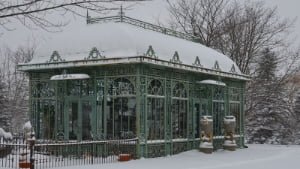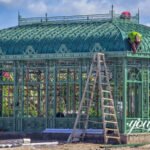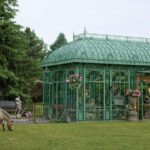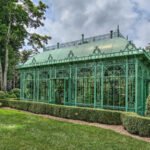
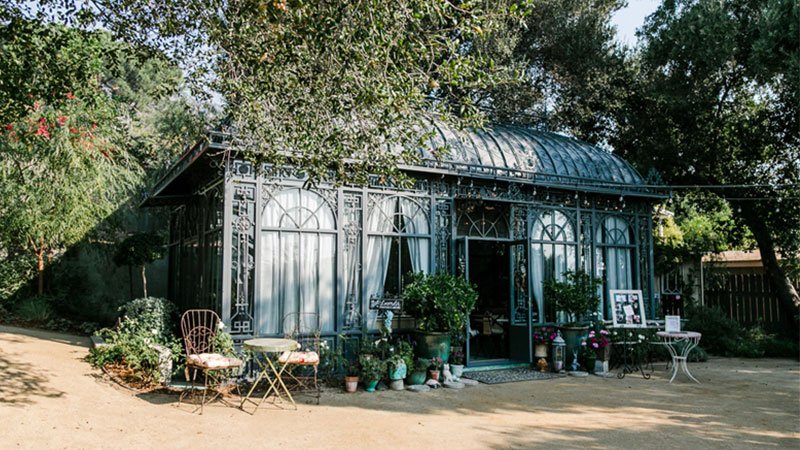
Installing a wrought iron greenhouse is an exciting way to elevate your garden or commercial space. However, many buyers overlook one critical question before purchasing:
Do you need a permit to install a wrought iron greenhouse?
The answer is not always straightforward. In fact, failing to obtain the proper permit can lead to fines, forced removal, or legal complications.
The short answer:
It depends on the size, foundation, purpose, and local regulations—not just the country you are in.
In this guide, we’ll break down exactly when you need a permit, where regulations are stricter, and how to avoid costly mistakes.
What Is Considered a Permit-Required Structure?
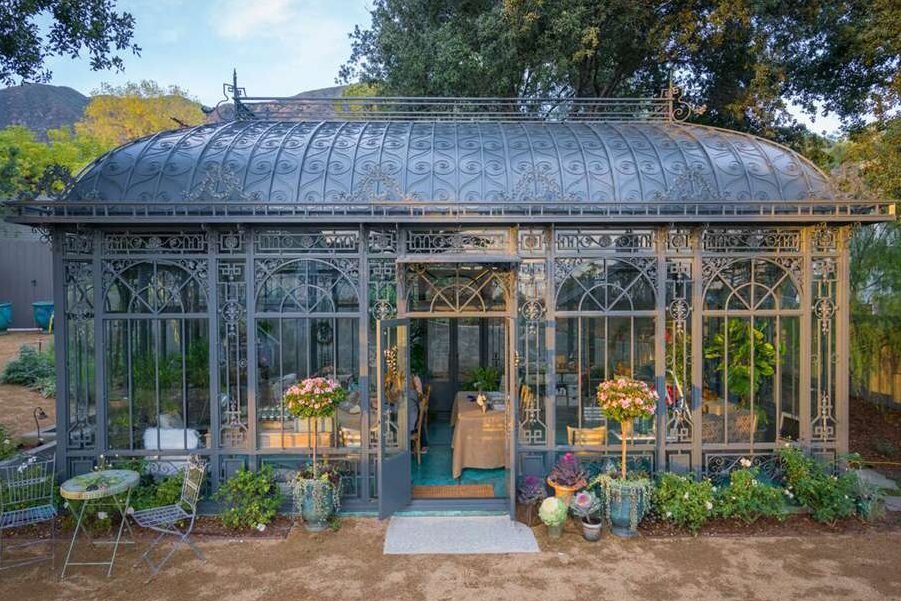
In most countries, a wrought iron greenhouse is classified as an “accessory structure” (or outbuilding), similar to sheds, gazebos, or garden rooms.
A permit is typically required if the structure is considered:
- Permanent (fixed to the ground)
- Large in size
- Used for commercial purposes
For example, a lightweight, movable greenhouse may not require approval. But once you install a custom wrought iron structure with a concrete foundation, it is often treated like a small building.
Key Factors That Determine If You Need a Permit
Understanding these three factors will help you quickly assess your situation.
1. Size of the Greenhouse
Size is the most important factor worldwide.
Small backyard greenhouses → often exempt
Medium-sized structures → may require notification
Large wrought iron greenhouses → usually require permits
In many regions, thresholds range from 6㎡ to 20㎡.
2. Foundation Type
Whether your greenhouse is fixed to the ground makes a big difference.
No foundation / movable → less likely to require a permit
Concrete or permanent base → usually requires approval
A fixed structure is legally treated as part of the property.
3. Purpose (Residential vs Commercial)
How you use the greenhouse also matters:
Private garden use → more flexible rules
Commercial use (hotels, parks, event venues) → permit almost always required
This is especially important for landscape projects and public installations.
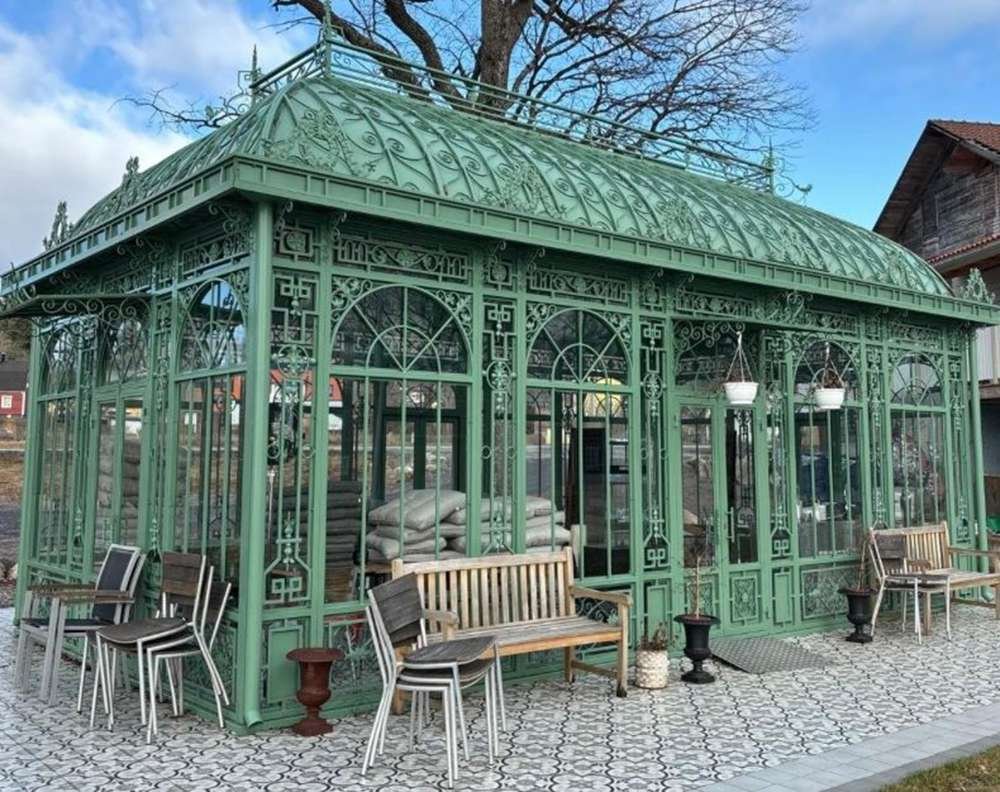
Countries & Regions Where Permits Are Typically Required
While regulations vary worldwide, some regions have stricter building control systems. In these areas, a wrought iron greenhouse is more likely to require approval.
Europe (Strict Size & Design Regulations)
In many European countries, permits are required once a structure exceeds certain size or height limits.
France
Small structures (under ~1.8m) may not require approval
Medium structures require prior declaration
Large wrought iron greenhouses → building permit required
Real Project Insight:
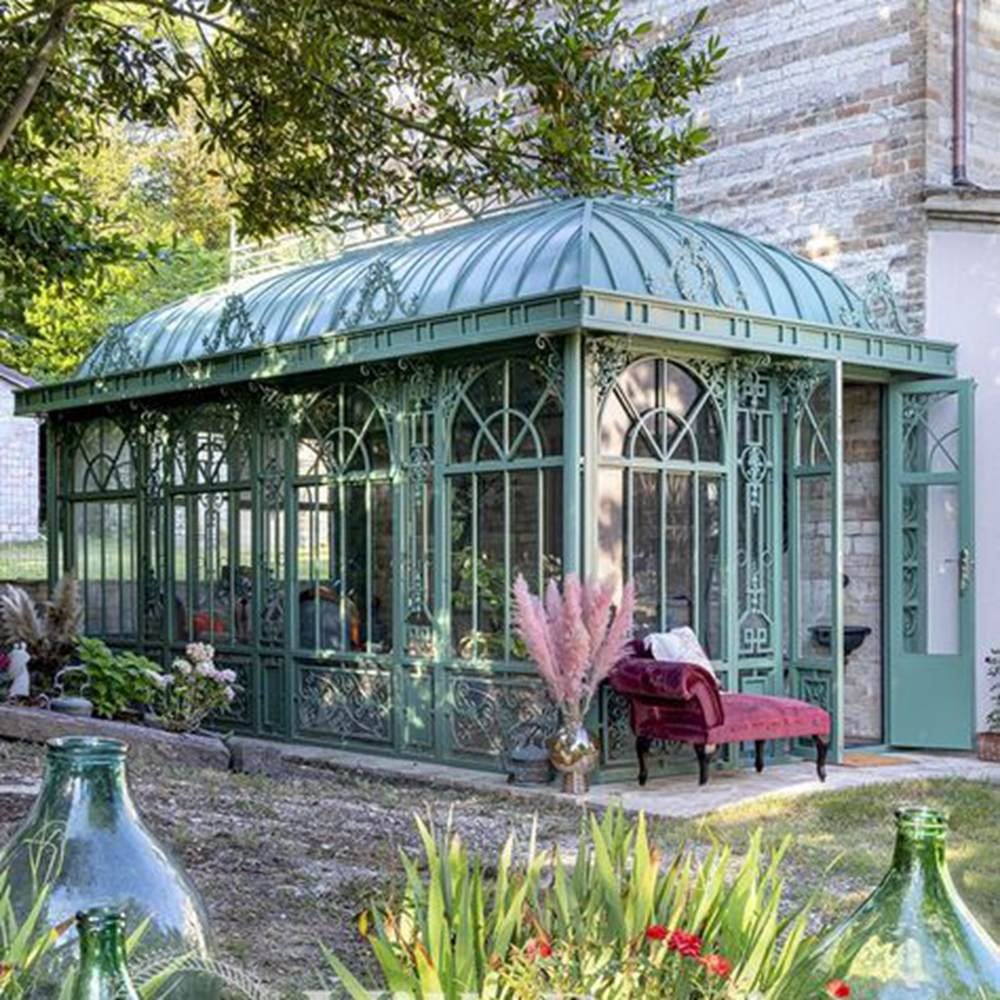
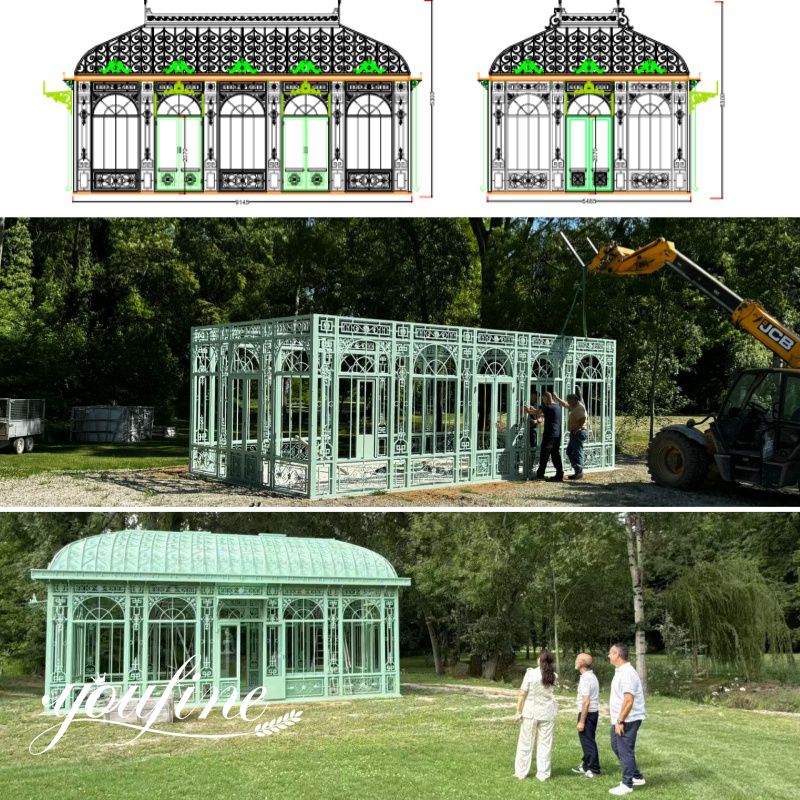
For one of YouFine’s clients in France, the approval process started at the design stage—not after production started. The project involved a wrought iron conservatory for a historic château, where any new addition had to match the original architectural style.
As a result, the ironwork design was carefully customized to reflect the château’s traditional style, ensuring it met heritage regulations before production even began.
In historic or protected properties, approval is not just about size—it’s also about design compatibility.
Belgium
Small garden structures may be exempt
Structures exceeding size limits (e.g., ~6㎡) → permit required
Even slightly larger structures quickly fall into the permit category.
European takeaway:
Across Europe, once a greenhouse becomes a permanent and visible structure, a permit is almost always required.
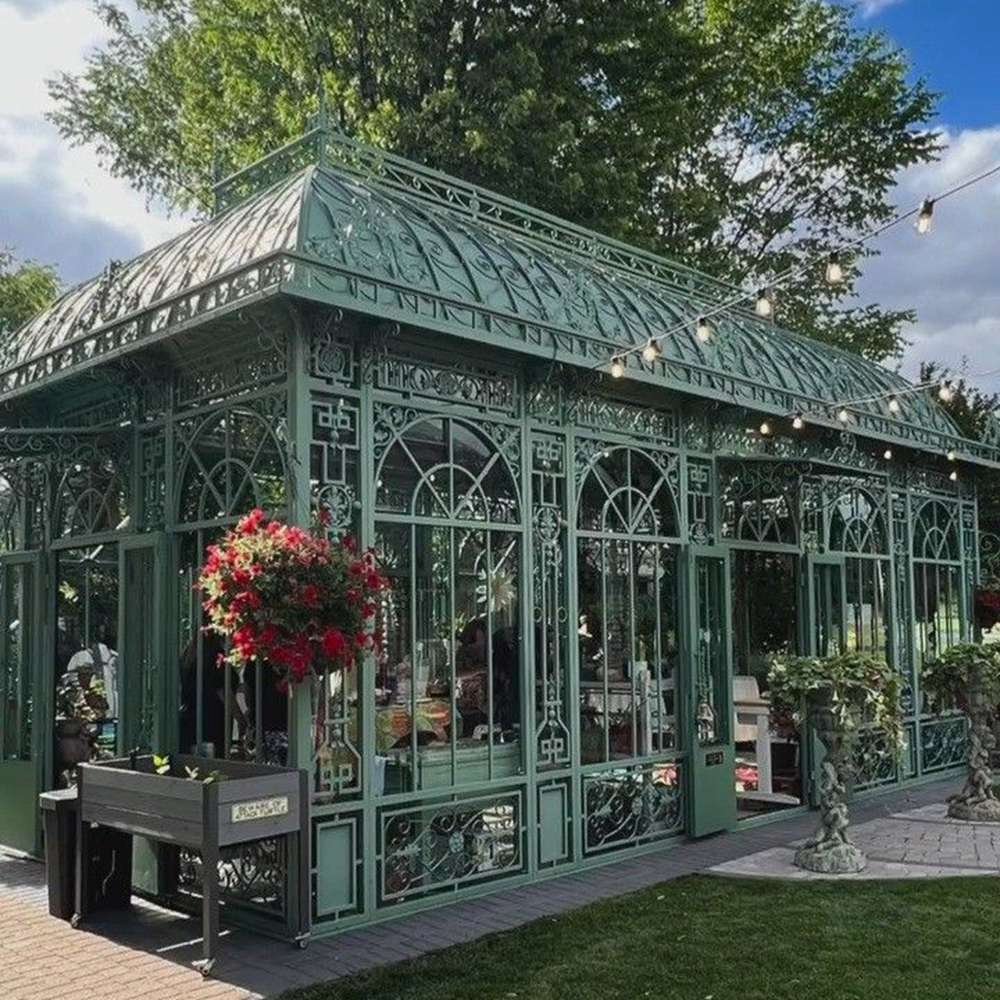
United States (Local but Generally Strict)
In the United States, permit requirements are determined by local governments (city or county).
Small backyard greenhouses may be exempt
Structures with:
Concrete foundations
Electrical systems
Large footprints→ almost always require permits
In most U.S. areas, a wrought iron greenhouse is treated similarly to other accessory buildings.
Other Regions with Similar Requirements
Canada
Similar to the U.S. system
Permanent or large structures → permit required
Australia
Small backyard structures may be exempt
Larger or fixed greenhouses → approval required
Global conclusion:
Although rules differ by country, the pattern is consistent:
the larger and more permanent your greenhouse is, the more likely you will need a permit.
When You Definitely Need a Permit
You will likely need a permit if your greenhouse:
Has a concrete foundation
- Is large in size or height
- Is installed close to property boundaries
- Is used for commercial purposes
- Is located in a historic or protected area
When You May NOT Need a Permit
You may not need a permit if:
- It is a small backyard greenhouse
- The structure is temporary or movable
- It has a lightweight frame without a fixed base
Always verify with your local authority, as rules can vary.
Risks of Installing Without a Permit
Skipping the permit process can lead to serious consequences:
Fines or penalties
Forced removal of the structure
Legal issues when selling your property
In some cases, removal costs can exceed the cost of the greenhouse itself.
How to Check Local Regulations (Step-by-Step)
Before purchasing, follow these simple steps:
- Contact your local planning authority
- Check zoning and building regulations
- Confirm size and height limits
- Prepare basic drawings if required
- Consult your supplier for technical details
Pro Tips Before Buying a Wrought Iron Greenhouse
To avoid delays and approval issues:
- Choose modular or size-compliant designs
- Keep dimensions within exemption thresholds
- Plan the foundation carefully
- Work with experienced manufacturers
Experienced suppliers can help adjust designs to meet local regulations and approval requirements.
Conclusion
So, do you need a permit for a wrought iron greenhouse?
In most cases, the answer is yes—especially for large, permanent, or custom-built structures.
That’s why planning ahead is essential. Understanding local regulations, preparing the right documents, and choosing the right design can save you time, money, and unnecessary delays.
But here’s the good news:
You don’t have to handle the approval process alone.
With over 40 years of manufacturing experience, YouFine has worked with clients worldwide on custom wrought iron greenhouses, garden structures, and architectural projects. We understand that in many regions—especially in Europe and historic properties—design approval starts long before production begins.
- We help you adjust designs to meet local regulations
- We provide technical drawings for permit applications
- We customize ironwork to match architectural and heritage requirements
Whether you’re planning a private garden greenhouse or a large commercial project, our team can support you from design to approval to production.
Have a project in mind?
Feel free to contact us with your ideas, drawings, or site details—we’re happy to help you create a design that is not only beautiful, but also fully compliant with local regulations.