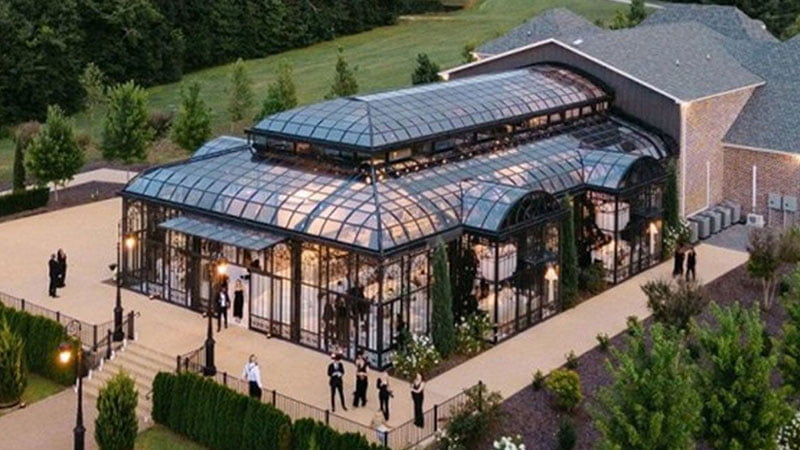
In Europe and North America, wrought iron greenhouses are no longer seen as simple gardening shelters. They are increasingly used in luxury residences, estates, boutique hotels, and commercial landscape projects.
A common question from homeowners, architects, and developers is: Are wrought iron greenhouses considered permanent structures?
The short answer is: in most cases, yes.
Below, we explain why—by looking at structural design, foundations, engineering standards, and building regulations.
What Is Considered a Permanent Structure?
In architectural and construction terms, a permanent structure generally refers to a building or installation that:
- Is fixed to the ground with a permanent foundation
- Is designed for long-term use (often decades)
- Requires structural calculations for loads such as wind and snow
- Cannot be easily relocated without dismantling or demolition
In many European and North American building codes, permanent structures are clearly distinguished from temporary, movable, or seasonal structures.
With this definition in mind, let’s examine how wrought iron greenhouses compare.
Structural Characteristics of Wrought Iron Greenhouses
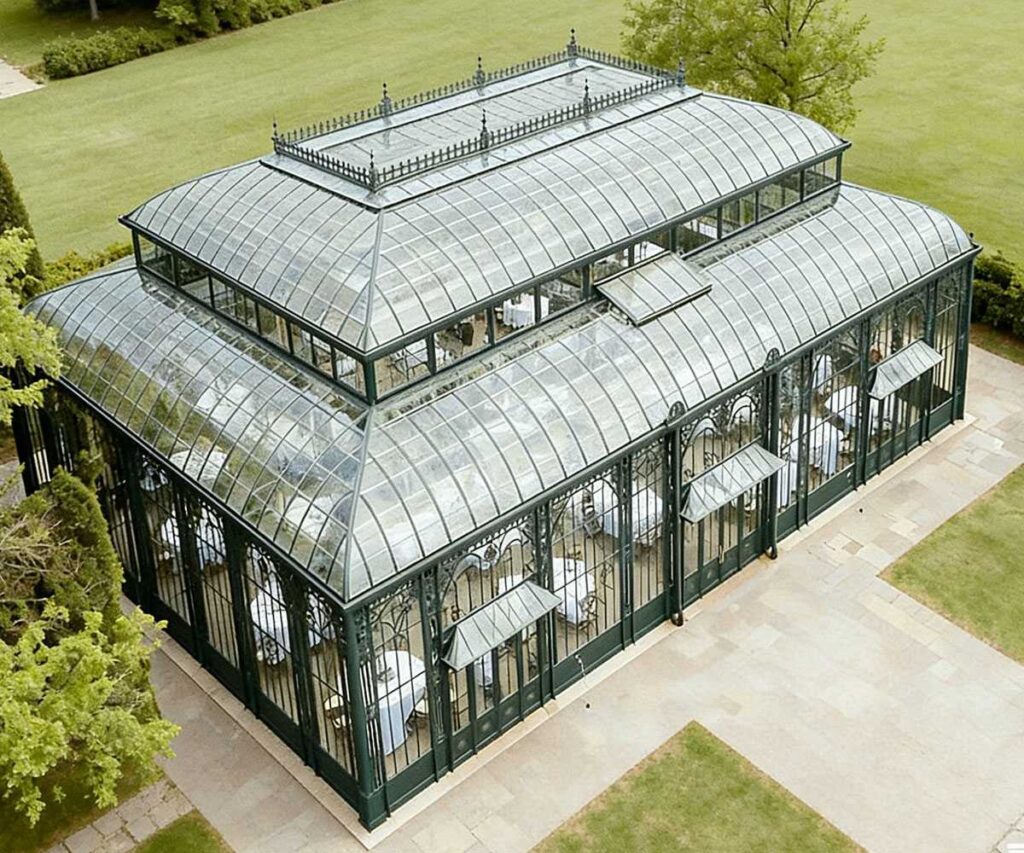
Wrought iron greenhouses are fundamentally different from lightweight or modular greenhouse systems. Key structural characteristics include:
- Heavy-duty materials: Wrought iron or structural steel profiles provide high strength and rigidity, with minimal deformation over time.
- Architectural framing systems: Typically composed of columns, beams, roof trusses, and ridge structures—similar to small buildings.
- Rigid connections: Components are welded or bolted into a fixed frame, designed to work as a single load-bearing system.
- Because of these characteristics, wrought iron greenhouses behave more like architectural structures than garden accessories.
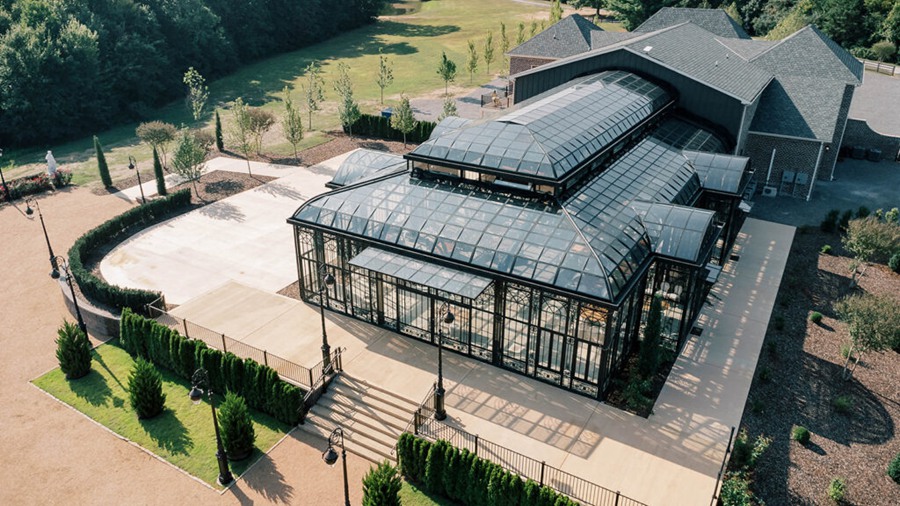
Foundation and Installation Methods
The foundation is one of the most important factors in determining whether a structure is considered permanent.
Most wrought iron greenhouses are installed on:
- Concrete strip foundations
- Isolated concrete footings
- Full concrete slabs
Installation usually involves:
- Anchor bolts or embedded steel plates
- Mechanical or chemical anchors fixed into concrete
- Direct load transfer from the structure to the foundation
Unlike temporary greenhouses, they are not installed with ground stakes or removable bases.
Once fixed to a concrete foundation, a wrought iron greenhouse is generally treated as a permanent structure under local building regulations.
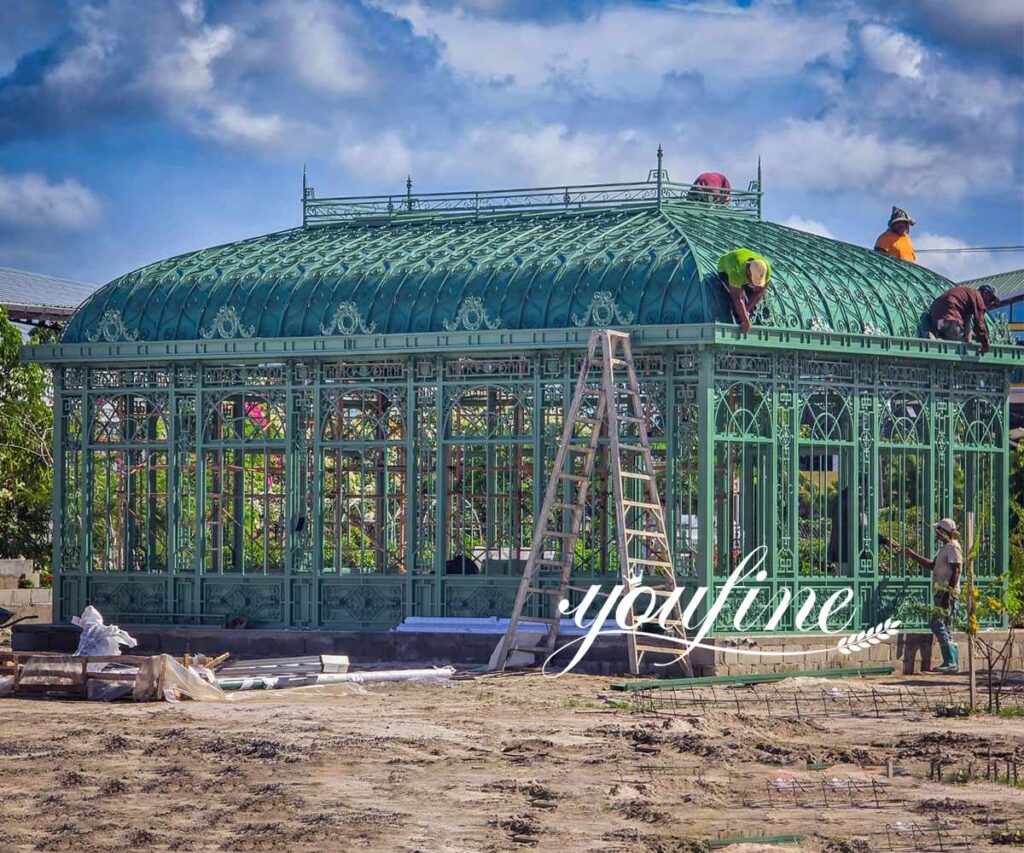
Load-Bearing Capacity and Engineering Design
Permanent structures must be designed to withstand environmental loads. Wrought iron greenhouses are typically engineered to account for:
- Wind load – especially important in coastal or open areas
- Snow load – critical in Northern Europe, Canada, and the northern United States
- Dead load – the self-weight of iron frames and glazing
Design standards often follow:
- Europe: Eurocode (EN 1991 series)
- North America: ASCE 7 and IBC standards
Engineering calculations influence:
- Column spacing
- Steel thickness
- Roof geometry
- Reinforcement at doors and roof connections
This level of structural engineering is a strong indicator that wrought iron greenhouses are intended as permanent installations.
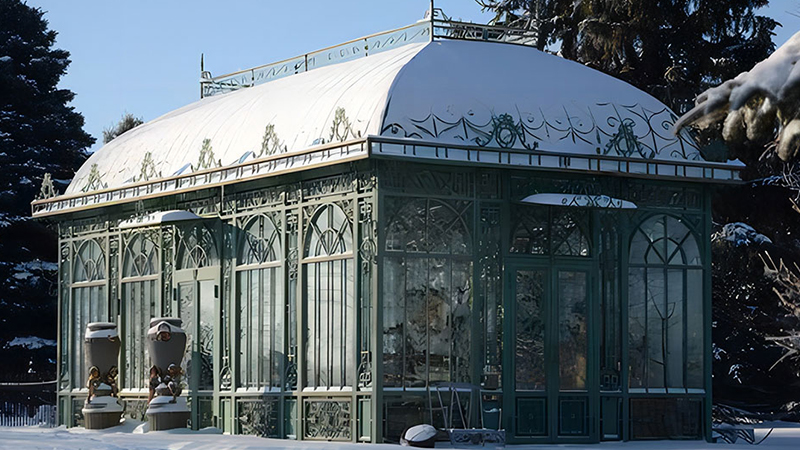
Wrought Iron vs. Aluminum Greenhouses
Not all greenhouses are permanent. Comparing materials helps clarify the distinction.
Wrought Iron Greenhouses
- Heavy structural frames
- Fixed concrete foundations
- High load-bearing capacity
- Long service life (often 30–50 years or more)
- Common in luxury and commercial projects
Aluminum Sunroom
- Lightweight profiles
- Often installed without full foundations
- Limited snow and wind resistance
- Easier to relocate or dismantle
- Primarily consumer-grade products
While some aluminum greenhouses can be semi-permanent, wrought iron greenhouses are far more likely to meet the criteria of permanent structures. You could learn more: Wrought Iron Greenhouse VS Aluminum Conservatory: Which is Best for You?
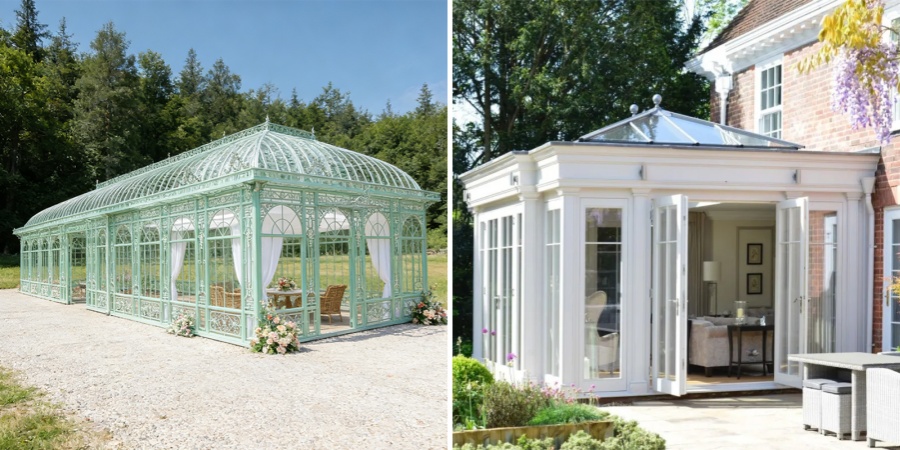
Building Permits and Local Regulations
Whether a wrought iron greenhouse legally counts as a permanent structure depends on local regulations, but common requirements include:
- A fixed foundation
- Structural drawings
- Load calculations
- Compliance with zoning or setback rules
In many regions, a permanent greenhouse requires a building permit, especially when:
- The footprint exceeds a certain size
- It is attached to an existing building
- It is used as a conservatory, sunroom, or commercial space
Because regulations vary widely by country, state, and municipality, it is always recommended to confirm requirements with local authorities during the design stage.
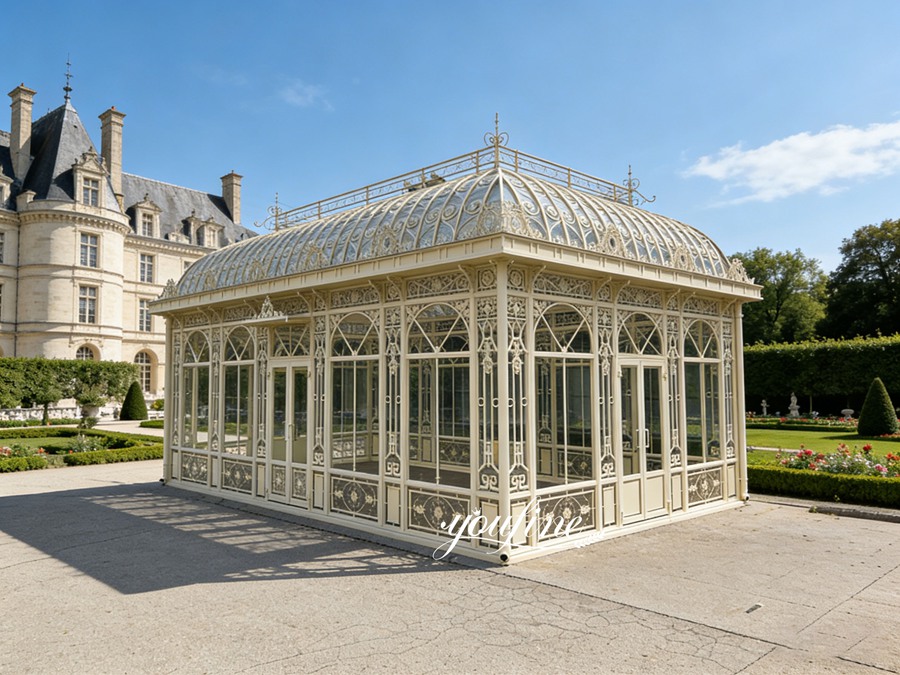
Why Permanent Greenhouses Are Preferred in High-End Projects
Permanent wrought iron greenhouses are especially popular in premium projects for several reasons:
- Long-term value: They are designed to last for decades, making them a durable investment.
- Architectural integration: Custom designs allow the greenhouse to match historic or modern architectural styles.
- Multi-functional use: Beyond plant cultivation, they can function as conservatories, garden rooms, or exhibition spaces.
- Enhanced property appeal: Permanent greenhouses often become a focal architectural feature rather than a secondary structure.
This is why they are frequently specified in estates, hotels, botanical gardens, and bespoke residential developments.
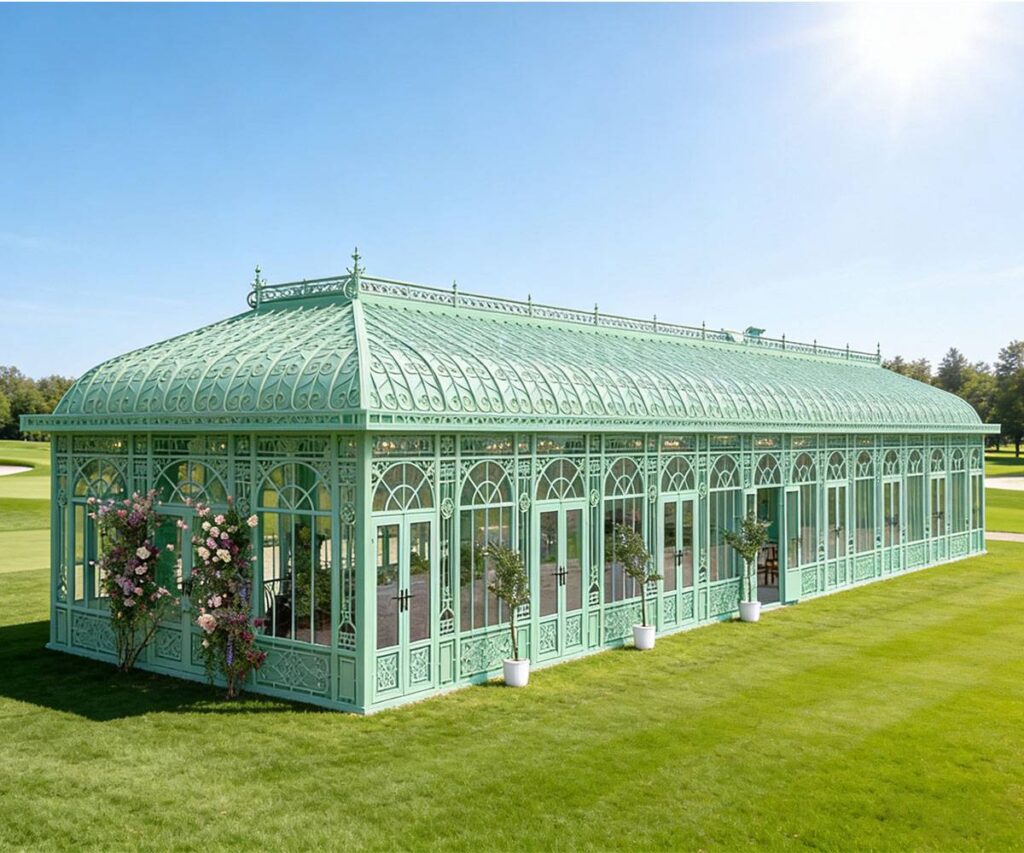
Conclusion
From a structural, engineering, and regulatory perspective, most wrought iron greenhouses qualify as permanent structures.
They are characterized by:
- Heavy-duty iron or steel frames
- Fixed concrete foundations
- Engineered load resistance
- Long-term architectural use
While the final classification always depends on local building codes, wrought iron greenhouses are fundamentally designed as permanent installations—not temporary garden structures.