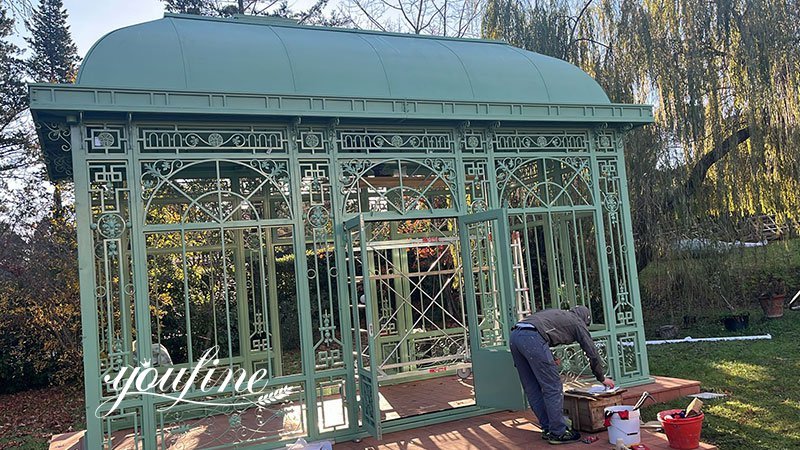
Iron greenhouses are admired for their elegance, durability, and timeless appeal. Whether installed in a private garden or a commercial landscape, they add both functionality and architectural beauty. However, like all metal structures, iron greenhouses are vulnerable to rust if not properly protected.
Rust not only affects the appearance of your greenhouse but can also weaken its structural integrity over time. The good news is that with the right materials, coatings, design strategies, and maintenance practices, rust can be effectively prevented.
In this guide, we will walk you through practical and proven tips to keep your iron greenhouse rust-free and looking its best for years to come.
Why Do Iron Greenhouses Rust?
Rust forms when iron reacts with oxygen and moisture, creating iron oxide. This process is accelerated in environments where humidity, water exposure, and air circulation are not well controlled.
Common causes of rust in iron greenhouses include:
- Constant exposure to rain and moisture
- High humidity levels inside the greenhouse
- Condensation during colder months
- Scratches or damage to protective coatings
- Contact with soil, fertilizers, and chemicals
Understanding these causes is the first step toward effective prevention.
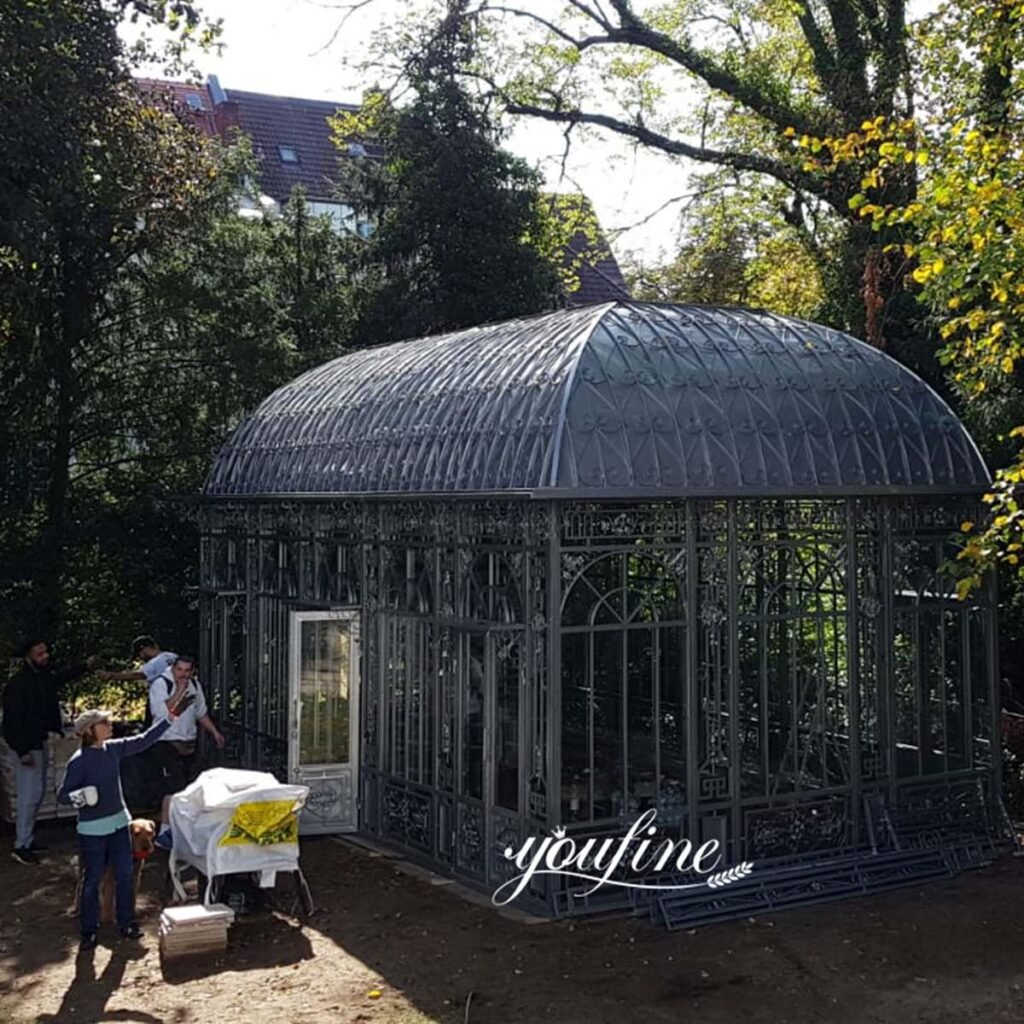
Choose the Right Materials for Rust Resistance
Not all metal structures offer the same level of protection against corrosion. Selecting the right material is crucial for long-term performance.
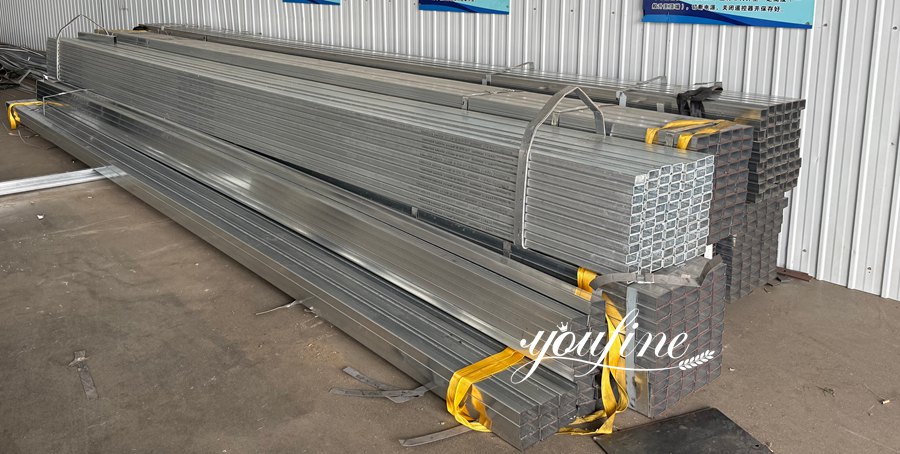
Galvanized steel is coated with a layer of zinc, which acts as a barrier against moisture and oxygen. It is one of the most popular and cost-effective anti-rust solutions.
Wrought Iron with Protective Treatment
Traditional wrought iron is strong and visually appealing but requires proper anti-rust treatments such as galvanization and coating to ensure longevity.
Pro Tip: High-quality iron greenhouses often combine galvanized steel with powder coating for maximum protection and a premium finish.
Protective Coatings: Your First Line of Defense
A high-quality coating system is essential to prevent rust from forming.
Powder Coating
Powder coating is one of the most effective finishes for iron greenhouses. It creates a thick, even, and durable layer that resists moisture, UV rays, and corrosion.
Benefits include:
Long-lasting protection
Smooth and elegant appearance
Resistance to chipping and peeling
Anti-Rust Primers and Topcoats
Applying a rust-inhibiting primer before the final paint layer significantly enhances protection. A durable topcoat further seals the surface.
Maintenance Tip: Inspect the coating regularly and repair any chips or scratches immediately to prevent rust from spreading.
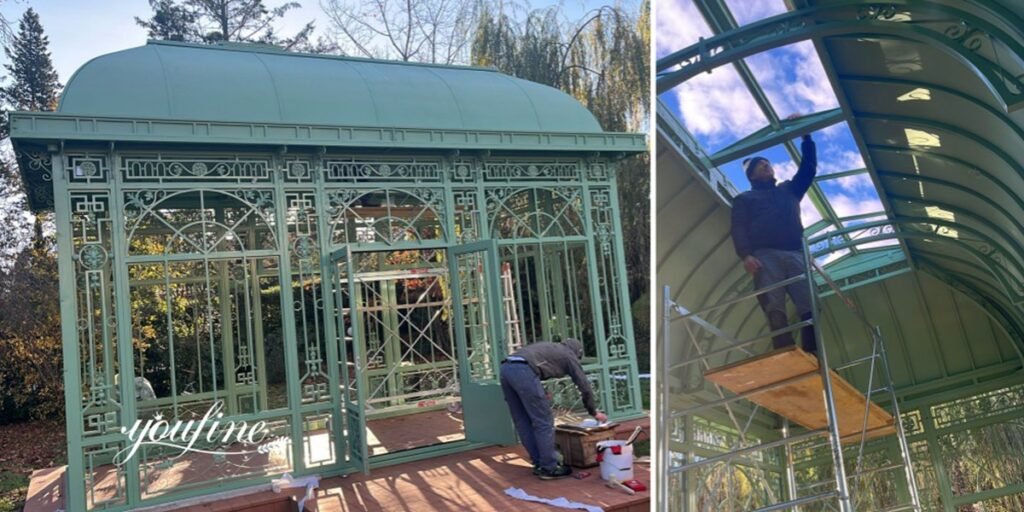
Smart Design Strategies to Prevent Rust
Rust prevention starts at the design stage. A well-designed greenhouse minimizes water accumulation and improves airflow.
Effective Drainage
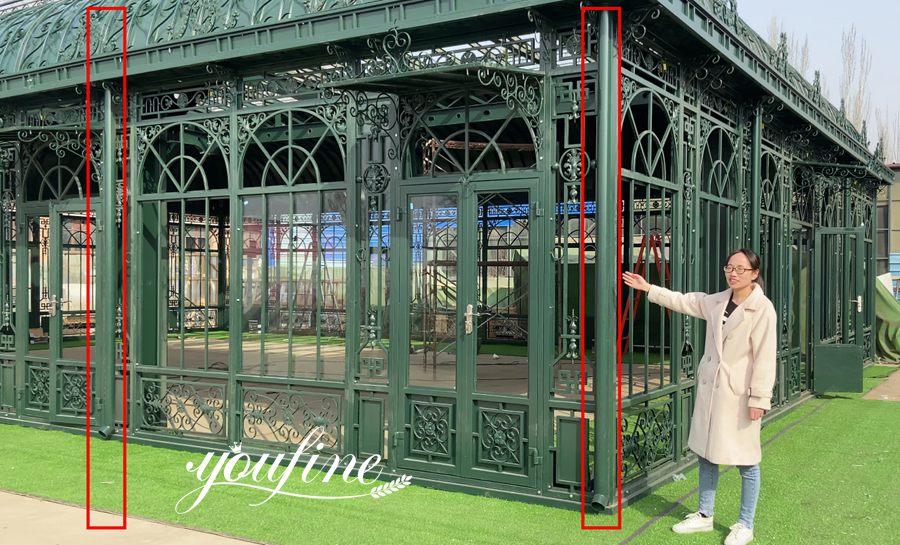
Ensure that the structure allows water to flow away easily. Avoid flat surfaces where water can collect.
Proper Ventilation
Good airflow reduces humidity levels inside the greenhouse, limiting condensation and moisture buildup.
Sloped Roof Design
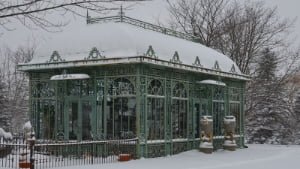
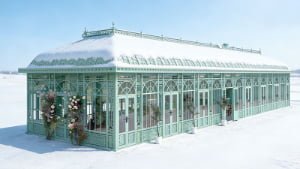
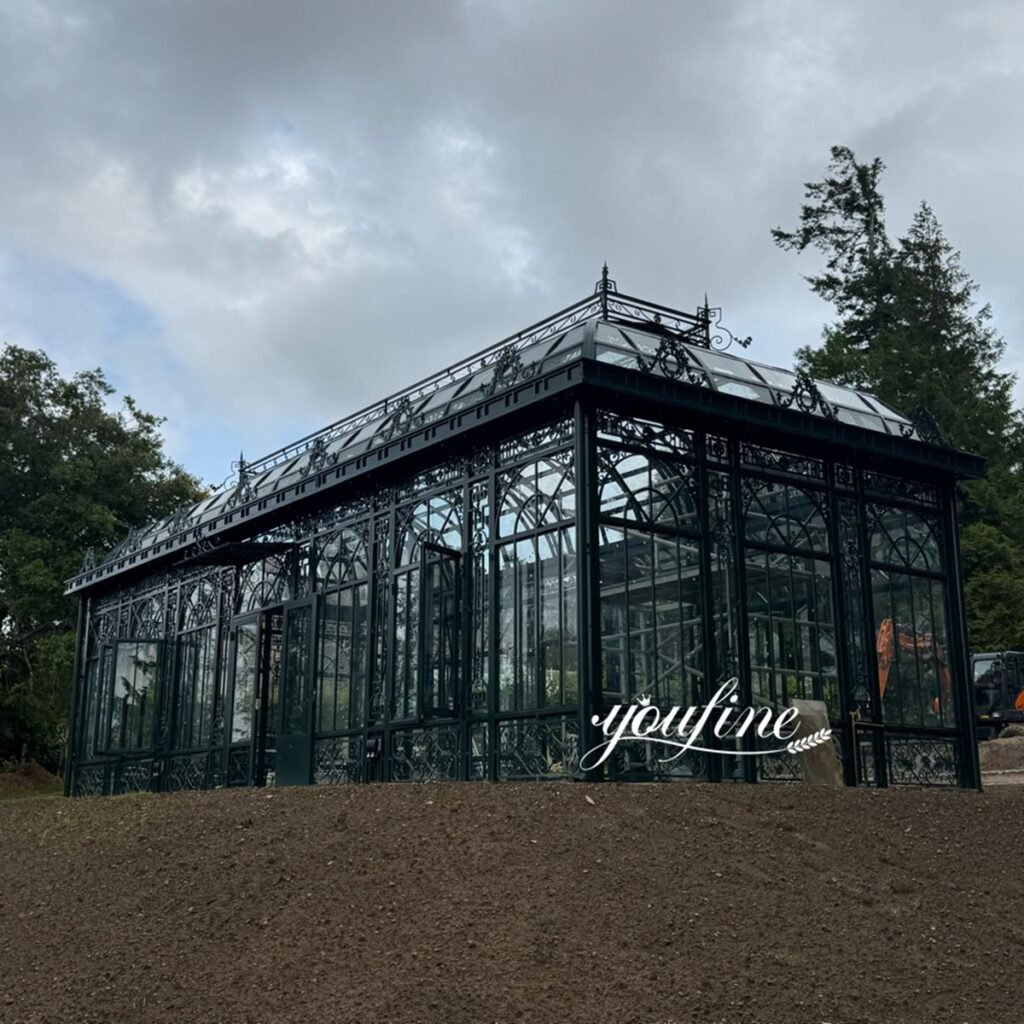
A sloped roof helps rainwater and snow slide off quickly, preventing prolonged exposure to moisture.
Avoid Water-Trapping Details
Eliminate design features that create hidden pockets where water can accumulate.
A thoughtfully engineered structure can significantly reduce the risk of rust from the very beginning.
Regular Maintenance Tips
Routine maintenance is key to extending the life of your iron greenhouse.
Clean the structure regularly to remove dirt and chemical residues
Inspect for scratches, chips, or early signs of rust
Touch up damaged areas with anti-rust paint
Keep the greenhouse well-ventilated
Ensure drainage systems remain clear and functional
Even simple maintenance practices can make a big difference over time.
Seasonal Care Guide
Different seasons present different challenges for rust prevention.
Spring and Summer
Increased rainfall requires proper drainage
Frequent watering may splash onto the metal frame
Fall and Winter
Temperature differences can cause condensation
Snow and ice may accumulate on the structure
Adjust your maintenance routine according to seasonal conditions to ensure year-round protection.
How to Fix Early Signs of Rust
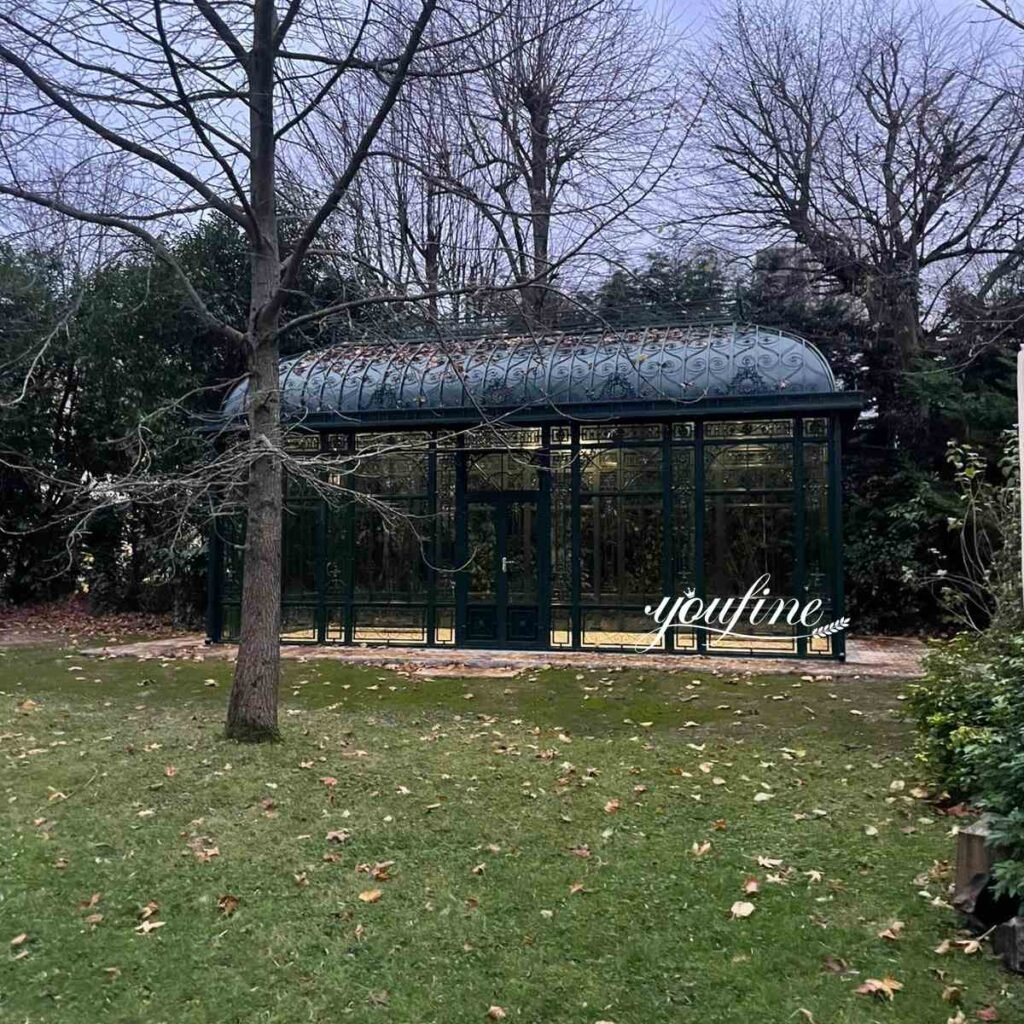
If rust does appear, addressing it early can prevent more serious damage.
Light Rust
Sand the affected area
Apply a rust inhibitor
Repaint with protective coating
Moderate Rust
Remove rust thoroughly
Apply primer and repaint
Severe Rust
Consider replacing the affected components
Timely intervention is essential to avoid costly repairs.
How to Choose a High-Quality Iron Greenhouse Supplier
Choosing the right supplier is just as important as selecting the greenhouse itself. A reliable manufacturer will ensure not only product quality but also long-term durability and service support.
Here are key factors to consider when selecting an iron greenhouse supplier:
1. Material Quality and Anti-Rust Technology
A professional supplier should clearly explain the materials used, such as galvanized steel or treated wrought iron. Ask whether the structure includes advanced anti-rust processes like hot-dip galvanization and powder coating.
2. Manufacturing Experience
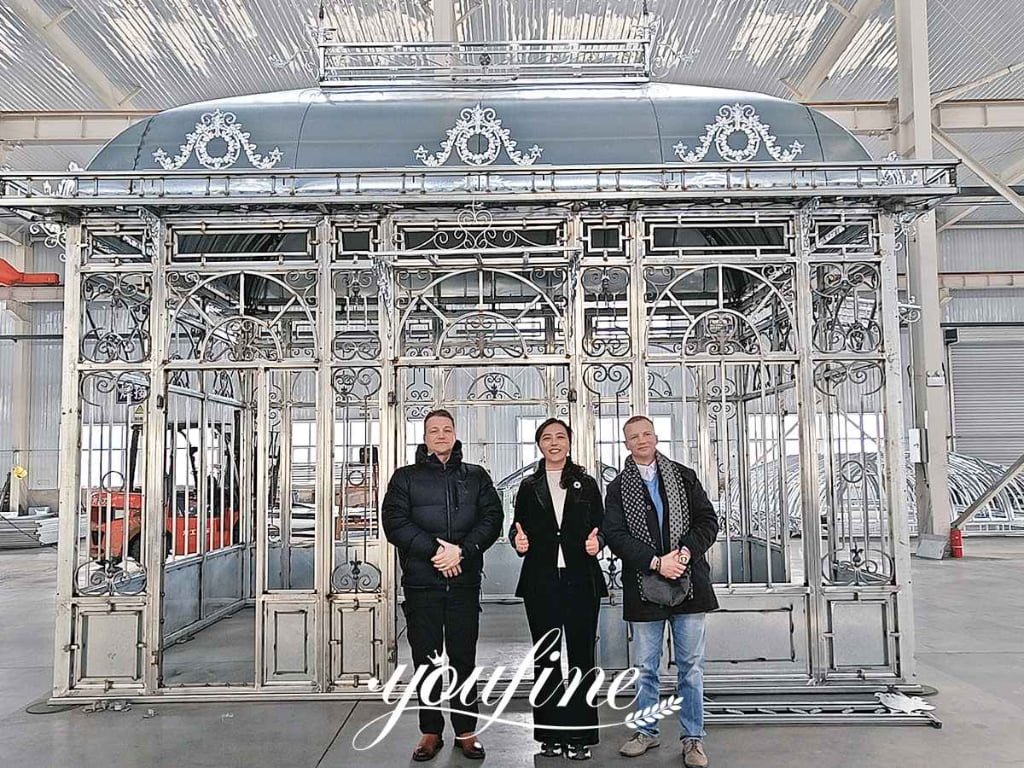
Suppliers with years of experience in metal structures or greenhouse production are more likely to deliver stable quality and refined craftsmanship. Check their project portfolio and past installations.
3. Custom Design Capability
Every project is different. A good supplier should offer customized solutions based on your space, climate, and design preferences, including drainage, ventilation, and structural details that help prevent rust.
4. Surface Finishing and Details
Pay attention to finishing quality. Smooth welds, even coatings, and precise detailing are signs of a high-end product and better corrosion resistance.
5. Packaging and Shipping for Export
If you are importing, ensure the supplier has experience with international shipping, secure packaging, and proper documentation to avoid damage or delays.
6. After-Sales Support
Reliable suppliers provide installation guidance, maintenance advice, and responsive communication after delivery.
7. Client Reviews and Reputation
Look for testimonials, case studies, or third-party reviews to verify the supplier’s credibility and service quality.
Conclusion
Preventing rust in iron greenhouses is not complicated, but it does require a proactive approach. By choosing the right materials, applying high-quality coatings, optimizing design, and maintaining the structure regularly, you can protect your investment for decades.
Prevention is always easier and more cost-effective than repair.
If you are planning to invest in an iron greenhouse, working with an experienced manufacturer can make all the difference in ensuring long-term durability and performance.