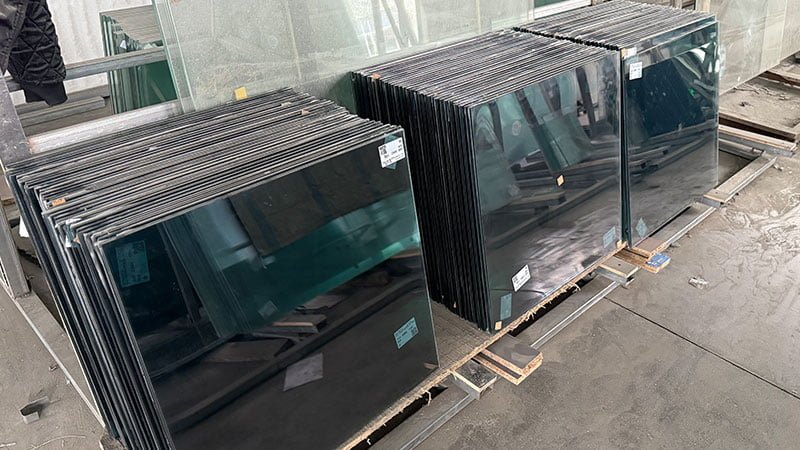
When planning a wrought iron greenhouse, most attention is naturally drawn to the structure itself—its elegant lines, durability, and architectural presence. However, the choice of glass is just as critical. Glass directly affects light transmission, thermal performance, safety, maintenance requirements, and the overall visual experience of the greenhouse.
Unlike aluminum sunrooms or lightweight garden structures, wrought iron greenhouses are designed for longevity, larger spans, and refined architectural integration. As a result, the glass used must complement the strength and sophistication of the iron framework. Choosing the right glass is not simply a technical decision—it is a long-term investment in performance, comfort, and aesthetics.
This guide will walk you through the key considerations and most common glass options for wrought iron greenhouses, helping you make an informed and confident decision.
Key Factors to Consider Before Choosing Glass
Climate and Local Weather Conditions
Climate plays a decisive role in glass selection. Greenhouses located in cold regions benefit from glass with better insulation to reduce heat loss, while those in hot or sunny climates may require solutions that help manage heat gain. Wind loads, snowfall, hail, and coastal conditions should also be taken into account, as they influence glass thickness and safety requirements.
Intended Use of the Greenhouse
How the greenhouse will be used is equally important. A greenhouse designed purely for plant cultivation may prioritize light transmission, while a space intended for leisure, dining, or hospitality use must balance comfort, safety, and energy efficiency. Commercial projects such as hotels, estates, or restaurants often require higher safety standards and year-round usability.
Structural Characteristics of Greenhouses
Wrought iron structures offer significantly higher load-bearing capacity than lightweight systems. This allows for thicker glass, laminated glass, or insulated glass units, even in large panels or wide roof spans. At the same time, the structural design demands precise engineering to ensure long-term stability and visual harmony.
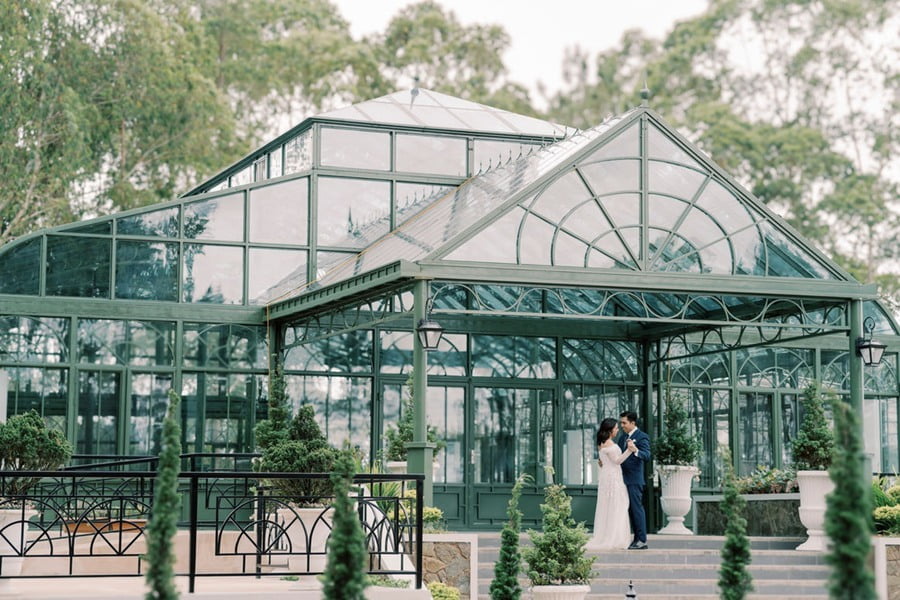
Common Glass Options for Iron Greenhouses
Different glass configurations offer varying levels of insulation, safety, and UV protection. The following table summarizes the most common glass types used in wrought iron greenhouses to help clarify their practical differences.
| Glass Type | Structure | Thermal Insulation | Safety Level | UV Protection | Typical Applications |
| Single Glazing (Single-Pane Glass) | Single glass layer | Low | Basic | Minimal | Mild climates, seasonal greenhouses, traditional-style projects |
| Double Glazing (Insulated Glass Unit – IGU) | Two glass panes with air or gas-filled cavity | Good | Medium | Limited | Four-season greenhouses, cold climates, residential projects |
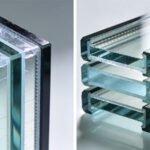
| Laminated Double Glazing | Two glass panes bonded with an interlayer that holds fragments together if broken | Very Good | High – glass fragments remain adhered to the interlayer, reducing injury risk | Limited to Moderate | Roof glazing, public spaces, commercial and hospitality projects |
| UV-Resistant Laminated Double Glazing | Laminated double glazing with UV-blocking interlayer or coating | Very Good | High | High | Living spaces, strong sunlight regions, high-end custom greenhouses |
| High UV-Protection Glass | Single or multi-layer glass with advanced UV-blocking technology | Varies by configuration | Medium to High | Very High | Botanical collections, luxury residences, estate and hotel projects |
Glass Thickness and Safety Standards
Recommended Glass Thickness
Glass thickness depends on several factors, including panel size, roof slope, climate conditions, and local building codes. Roof glass typically requires greater thickness than vertical glazing to ensure safety under snow and wind loads.
Roof glazing typically uses 8-10 mm thick tempered glass. For large-span structures, areas with heavy snowfall, or locations with high safety requirements, laminated glass (such as 5+5 mm or 6+6 mm) is usually recommended.
In large-scale or custom-designed wrought iron greenhouses, additional structural reinforcement may be incorporated to safely support thicker or multi-layer glass systems.
Safety and Certification Considerations
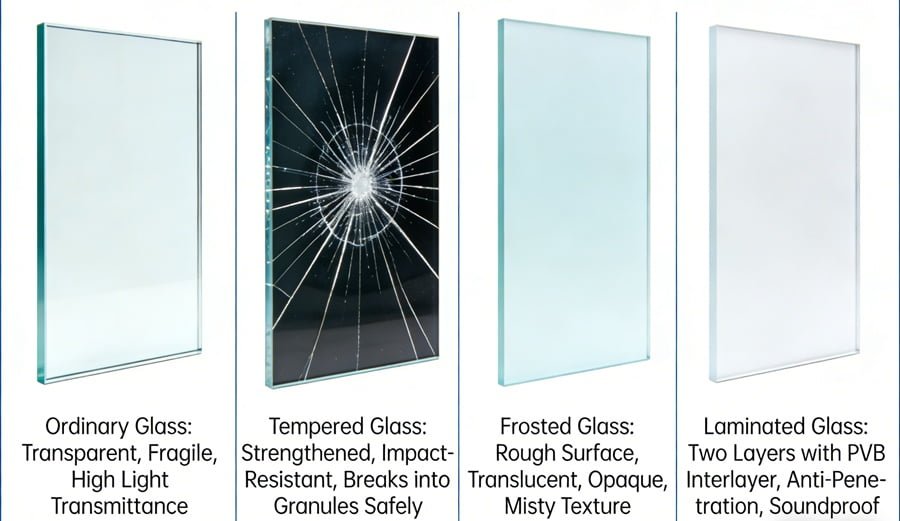
All greenhouse glass should comply with relevant safety standards, particularly for overhead glazing and public-access areas. Tempered and laminated glass are commonly required in many regions, especially for commercial or hospitality projects.
Working with an experienced greenhouse supplier ensures that glass selection meets both performance expectations and regulatory requirements.
Balancing Aesthetics and Performance
Glass is the most visually dominant material in a greenhouse. Its clarity, reflectivity, and proportions directly influence how the structure feels and functions.
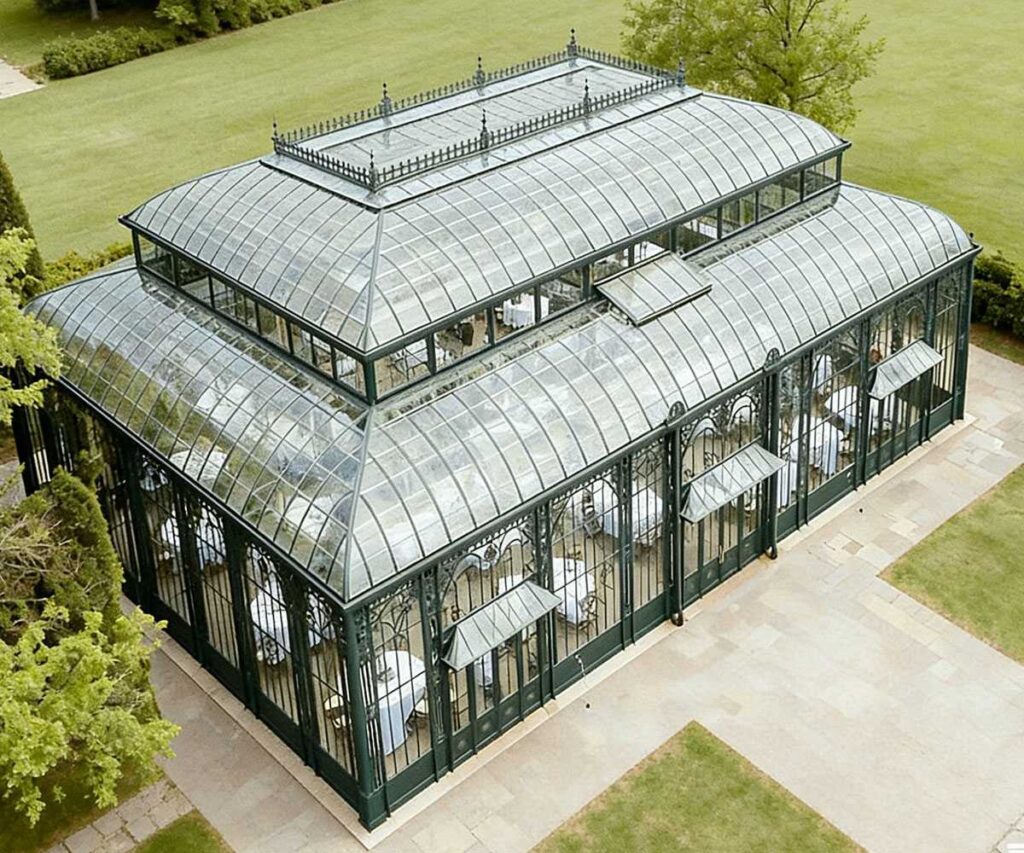
High-quality glass enhances natural light, supports healthy plant growth, and highlights the craftsmanship of the wrought iron framework. The right balance between transparency, insulation, and safety creates a space that is not only functional but also architecturally refined.
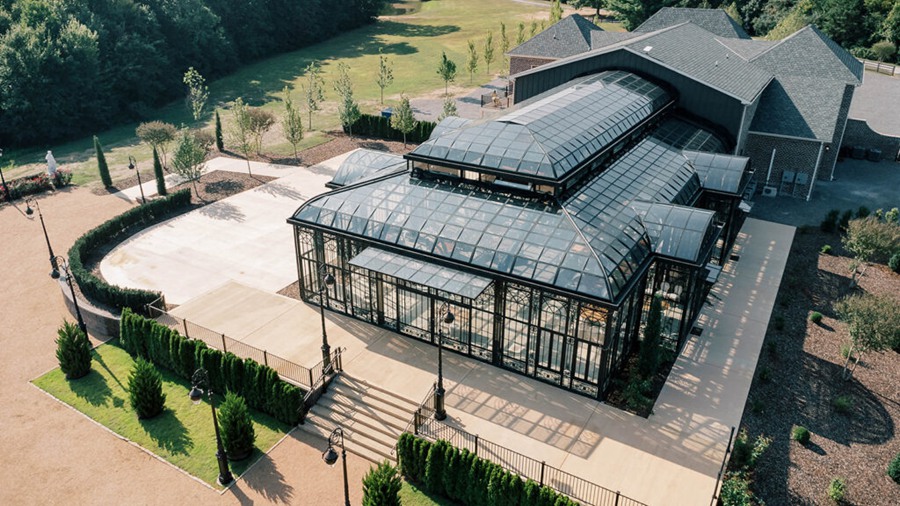
Custom Glass Solutions for Iron Greenhouses
One of the key advantages of wrought iron greenhouses is their ability to accommodate custom glass solutions. This includes non-standard panel sizes, curved or arched glass, reinforced door and roof sections, and glazing systems tailored to specific climates or usage requirements.
Custom glass selection allows each greenhouse to be fully aligned with its architectural context, intended function, and long-term performance goals.
Maintenance and Longevity Considerations
Different glass types have different maintenance requirements. Insulated glass reduces condensation, while laminated glass enhances long-term safety. High-quality glass, when properly selected and installed, can last for decades with minimal maintenance.
From a long-term perspective, investing in the right glass reduces repair costs, improves comfort, and protects the overall value of the greenhouse.
Conclusion: Choosing the Right Glass Is a Long-Term Investment
There is no single “best” glass for all wrought iron greenhouses. The ideal choice depends on climate, usage, safety requirements, and aesthetic preferences.
By carefully considering these factors and working with an experienced wrought iron greenhouse supplier, you can ensure that your greenhouse delivers lasting performance, safety, and elegance.
At YouFine, we help clients select glass solutions that perfectly complement their wrought iron greenhouse designs—balancing beauty, durability, and functionality for projects around the world.