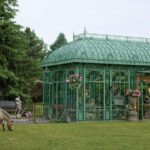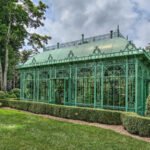
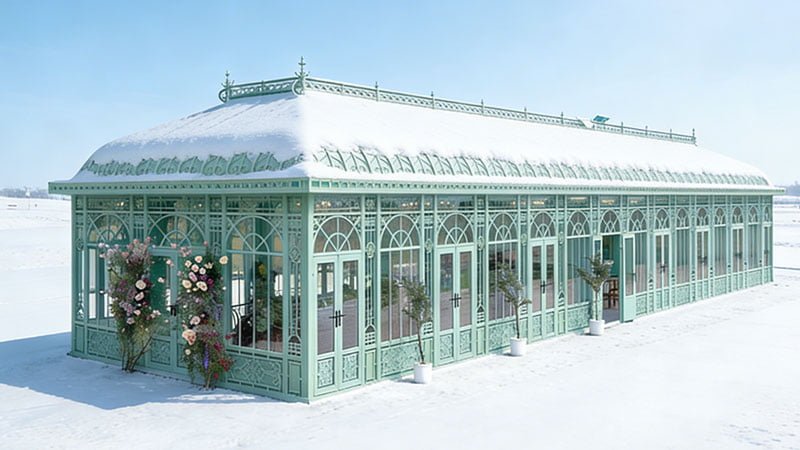
When selecting a wrought iron greenhouse for snowy and windy climates, it’s important to understand that not all structures are created equal. Lightweight kits and standard aluminum greenhouses may look appealing, but they often fail under heavy snow loads or strong seasonal winds. Wrought iron greenhouses, however, combine strength, durability, and timeless aesthetic appeal, making them ideal for harsh outdoor environments.
Whether you are a homeowner in northern regions, a landscape architect designing a luxury garden, or a resort planning a winter conservatory, understanding the key factors in choosing the right wrought iron greenhouse will save you maintenance headaches and ensure decades of reliable use.
Quick Guide: Choosing a Greenhouse for Snowy and Windy Climates
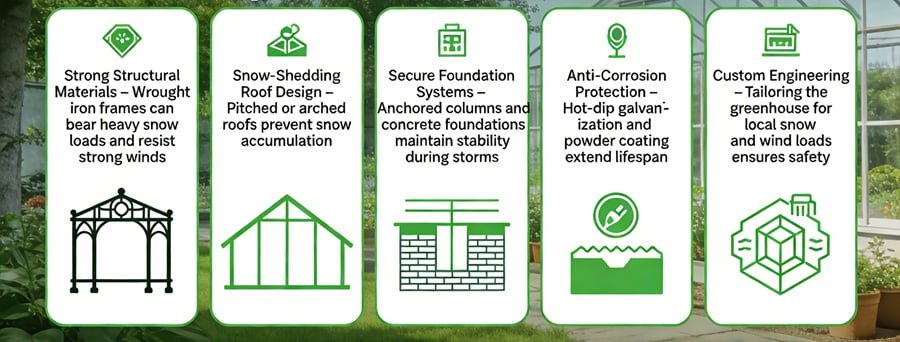
Before diving into the details, here’s a summary of what matters most:
- Strong Structural Materials–Wrought iron frames can bear heavy snow loads and resist strong winds.
- Snow-Shedding Roof Design–Pitched or arched roofs prevent snow accumulation.
- Secure Foundation Systems–Anchored columns and concrete foundations maintain stability during storms.
- Anti-Corrosion Protection–Hot-dip galvanization and powder coating extend lifespan.
- Custom Engineering–Tailoring the greenhouse for local snow and wind loads ensures safety.
Keeping these principles in mind will help you choose a greenhouse that not only survives harsh winters but also becomes a long-lasting feature of your property.
Why Aluminum Greenhouses Often Fail in Snowy and Windy Regions
Many buyers underestimate the challenges that extreme climates pose to outdoor structures. Standard greenhouses, especially those made from aluminum or lightweight steel, often face the following problems:
Lightweight Frames Under Heavy Snow Load
A heavy snowstorm can easily overload thin aluminum frames, causing bending or even roof collapse. Glass panels are especially vulnerable to cracking under weight, leading to costly repairs.
Wind Uplift Problems in Open Areas
High winds in exposed areas, such as mountain villas or lakeside properties, can lift or destabilize inadequately anchored greenhouses. Lightweight frames without reinforced connections are especially at risk.
Short Lifespan in Freeze–Thaw Conditions
Repeated freezing and thawing cycles introduce moisture into joints and fasteners, causing corrosion over time. Aluminum frames may warp, and paint coatings can flake, significantly reducing the lifespan of the greenhouse.
Key Factors When Choosing a Wrought Iron Greenhouse
Structural Strength and Load Capacity
- Solid Wrought Iron Frames: Thick, welded iron tubing provides superior strength over lightweight aluminum or PVC.
- Reinforced Connections: High-quality welds and braces increase stability and prevent deformation under heavy snow.
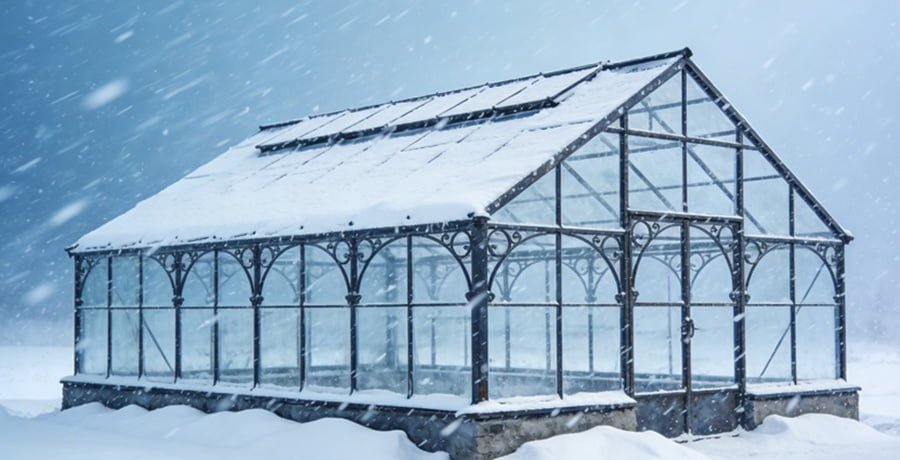
- Snow Load Engineering: Always check the greenhouse’s rated snow load capacity for your region. A well-engineered wrought iron greenhouse can safely support hundreds of kilograms of snow per square meter.
Roof Design That Prevents Snow Accumulation
- Pitched Roofs: Steeper angles encourage snow to slide off naturally.
- Gothic or Arched Roofs: These shapes provide structural integrity while allowing snow to shed efficiently.
- Reinforced Ridge Beams: Ensure the roof can carry occasional heavy snow without bending.
Wind Resistance and Anchorage System
- Anchored Columns: Heavy wrought iron columns should be fixed to a solid foundation.
- Concrete Foundations: A deep concrete base prevents uplift during storms.
- Cross Bracing and Reinforced Joints: These elements reduce swaying and increase resistance to gusty winds.
Rust Protection for Cold and Wet Environments
- Hot-Dip Galvanization: Provides a durable zinc coating to prevent rust.
- Powder Coating: Adds color and an additional layer of corrosion protection.
- Decades-Long Durability: Properly treated wrought iron can last 50+ years outdoors, even in wet, snowy conditions.
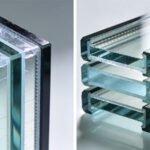
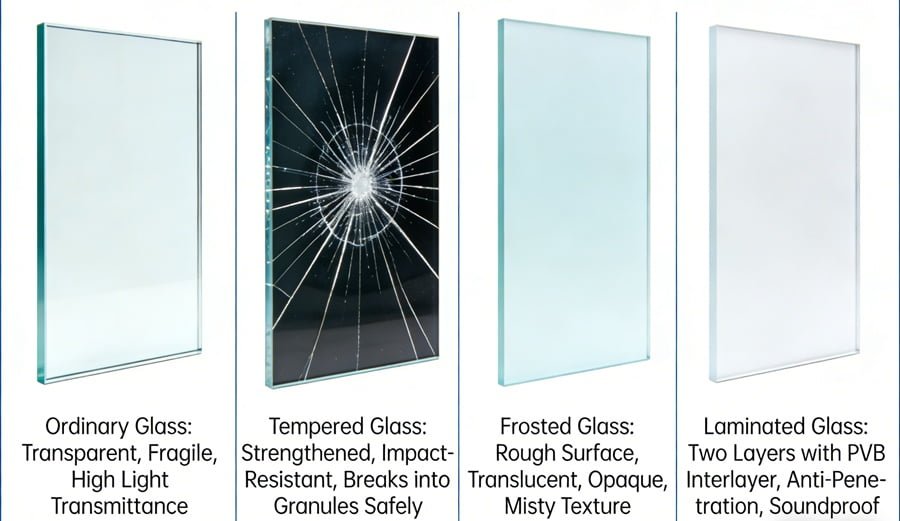
Choosing the Right Glazing Material
- Tempered Glass: Highly resistant to breakage and able to withstand snow weight.
- Laminated Glass: Offers extra safety if a panel cracks.
You could learn more about : Glass Options for Wrought Iron Greenhouses
Custom Engineering Solutions for Extreme Weather Areas
For regions with particularly harsh conditions, custom design is essential:
- Snow Load Calculation: Engineering the roof and frame to handle your local snow patterns.
- Wind Rating Customization: Ensuring stability against seasonal gusts.
- Structural Reinforcement: Additional bracing or thicker columns for extreme environments.
- Size Customization: Tailoring dimensions to site conditions while maintaining performance. For greenhouses longer than 7 meters, specially fabricated I-beam steel structures may be required to ensure structural integrity and prevent sagging under heavy snow or wind.
- Professional Engineering Support: Many manufacturers provide detailed engineering guidance to guarantee safety and compliance with local building standards.
This approach ensures that even large-scale greenhouses maintain stability, durability, and aesthetic appeal in snowy and windy regions.
Conclusion
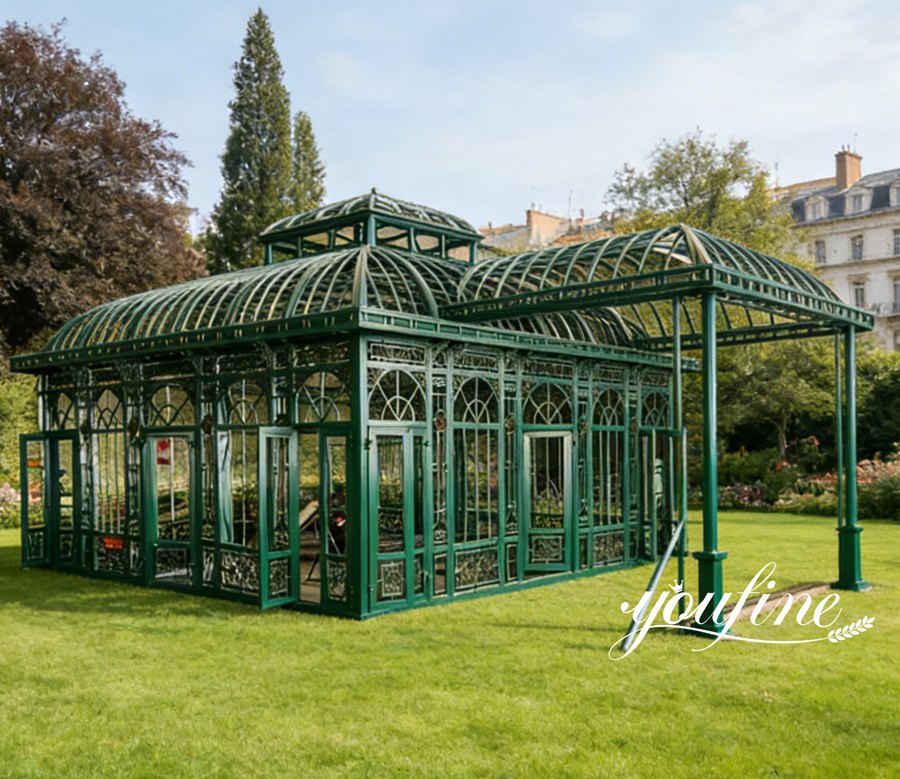
Selecting the right greenhouse for snowy and windy climates is a critical decision. Lightweight structures may be cheap, but only a wrought iron greenhouse provides the strength, durability, and timeless design required to endure harsh conditions. By focusing on structural integrity, roof design, wind resistance, corrosion protection, and custom engineering, you ensure a safe, long-lasting greenhouse that enhances your property and delivers year-round enjoyment.
For homeowners, landscape architects, resorts, and public gardens, a custom wrought iron greenhouse is more than a structure—it’s a long-term investment in beauty, durability, and performance.